
Challenge panel
Invite a small group from outside the team to find the weak points in your plan while there is still time to fix them.
- Time
- 90 min
- People
- 5–10
- Kind of work
- Test · Scale

In short
A challenge panel is a structured session in which independent outside experts, and service users where it fits, test and critique a plan before it launches or scales. To run one, pick four to six panellists with different viewpoints, brief them in advance, present the plan briefly, take their challenges without defending, then record what you will change.
What it is
Teams that have worked on a plan for months find it hard to see its gaps. Colleagues inside the organisation share the same assumptions, and senior reviewers often check whether a plan is complete rather than whether it will work. A challenge panel brings in people with no stake in the plan and asks them to look for what is missing, risky or wrong. Typical panellists include an expert from another sector, a practitioner who has delivered something similar, someone who will be affected by the plan, and a person who uses the service.
The method appears in the Open Policy Making toolkit published by the UK government's Policy Lab, as a way to test policy and service plans with outside expertise before they are finalised. The panel advises; it does not approve or reject. Its value comes from three things: who sits on it, how well they are briefed, and whether the team records each challenge and says honestly what it will change. In this worksheet you record the plan being tested, the panellists and why each was chosen, the questions you want challenged, the challenges heard, the team's response to each, what changes, and who follows up.
When to use it
Use it when
- A plan is nearly final and is about to go for approval, launch or wider rollout.
- The team has worked closely on a solution for a long time and suspects it has stopped seeing the gaps.
- The plan affects groups or partners who have not been involved in shaping it.
- A decision is high-stakes or hard to reverse, such as closing a channel or changing who is eligible for a service.
- Leaders want independent assurance that a plan has been tested by people outside the organisation.
Skip it when
- The plan is still early and changing every week. Outside experts will critique a moving target; use interviews or a design studio session first.
- The decision has been made and cannot change. Asking for challenge you will not act on damages trust with the panellists.
- You cannot share enough of the plan with outsiders for confidentiality reasons, and a briefing without the key details would leave the panel guessing.
You need
- Time
- About 90 minutes for the session, plus a week beforehand to recruit and brief the panel and a day afterwards to write up.
- People
- 4 to 6 panellists, a neutral chair, 2 or 3 people from the team to present and listen, and a note-taker: 5 to 10 people in all.
- Materials
- A briefing pack of no more than four pages sent five working days ahead, three to five questions you want challenged, a wall or shared board to capture challenges, and the worksheet.
How to run it
Step 1: Decide what you want challenged
Write the plan in one paragraph, then list three to five specific questions you want the panel to test, such as "will this work for people without a smartphone?" or "is the six-month timeline realistic?". Clear questions get sharper challenges than a general request for feedback.
Step 2: Pick the panel
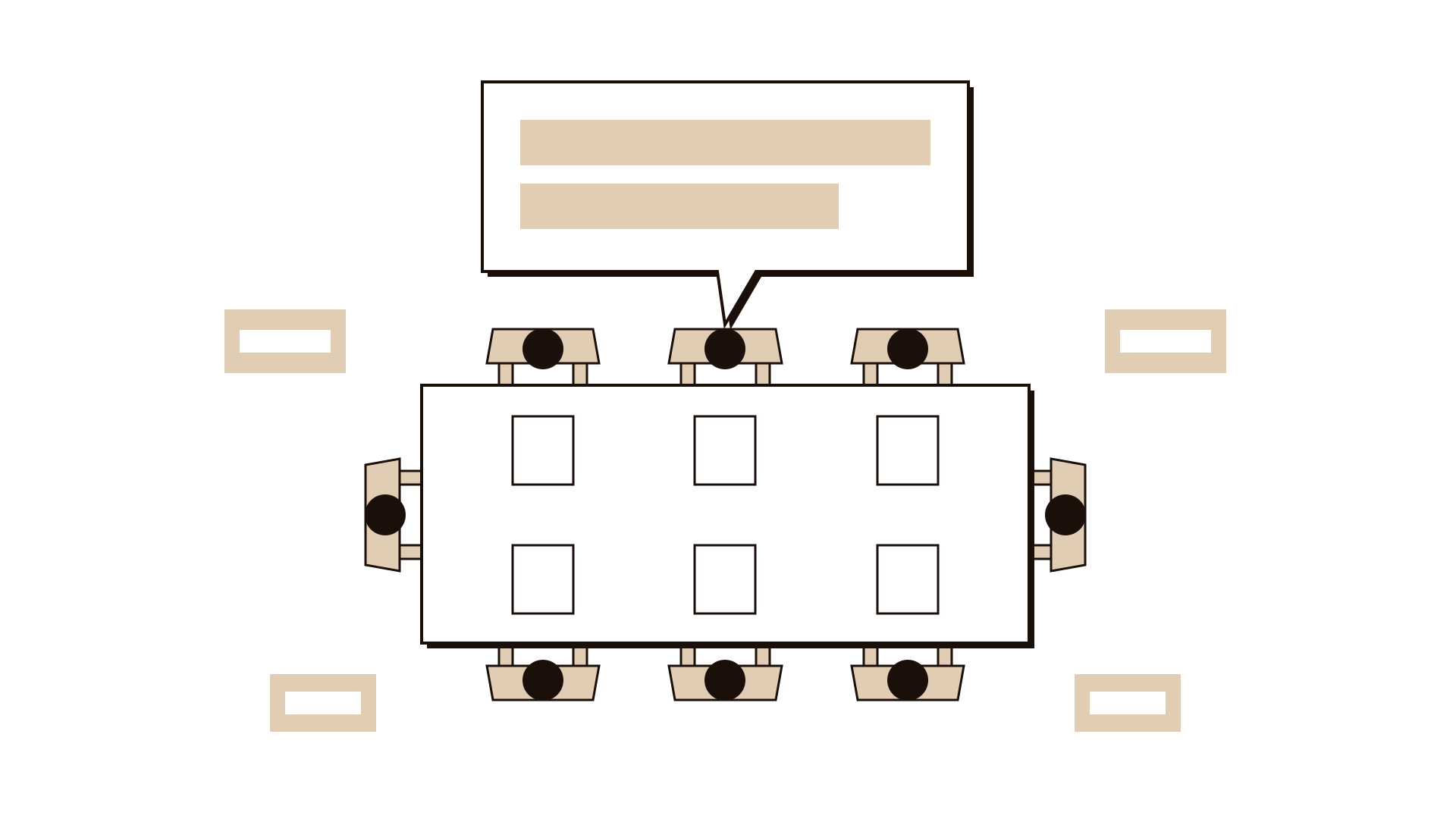
Choose four to six people who do not report to the plan's sponsor and have no stake in it going ahead. Aim for different viewpoints: an expert from another sector, a practitioner who has delivered something similar, a partner who will be affected and, where right, a service user. Write down why each one was chosen, and check for conflicts of interest.
Step 3: Brief them properly
Send a short pack five working days before: the problem, the evidence, the plan, the questions and what the panel's advice will be used for. Speak to each panellist briefly beforehand to answer questions. Make clear that the panel advises and does not decide, and agree how their names and comments will be used.
Step 4: Present briefly, then listen
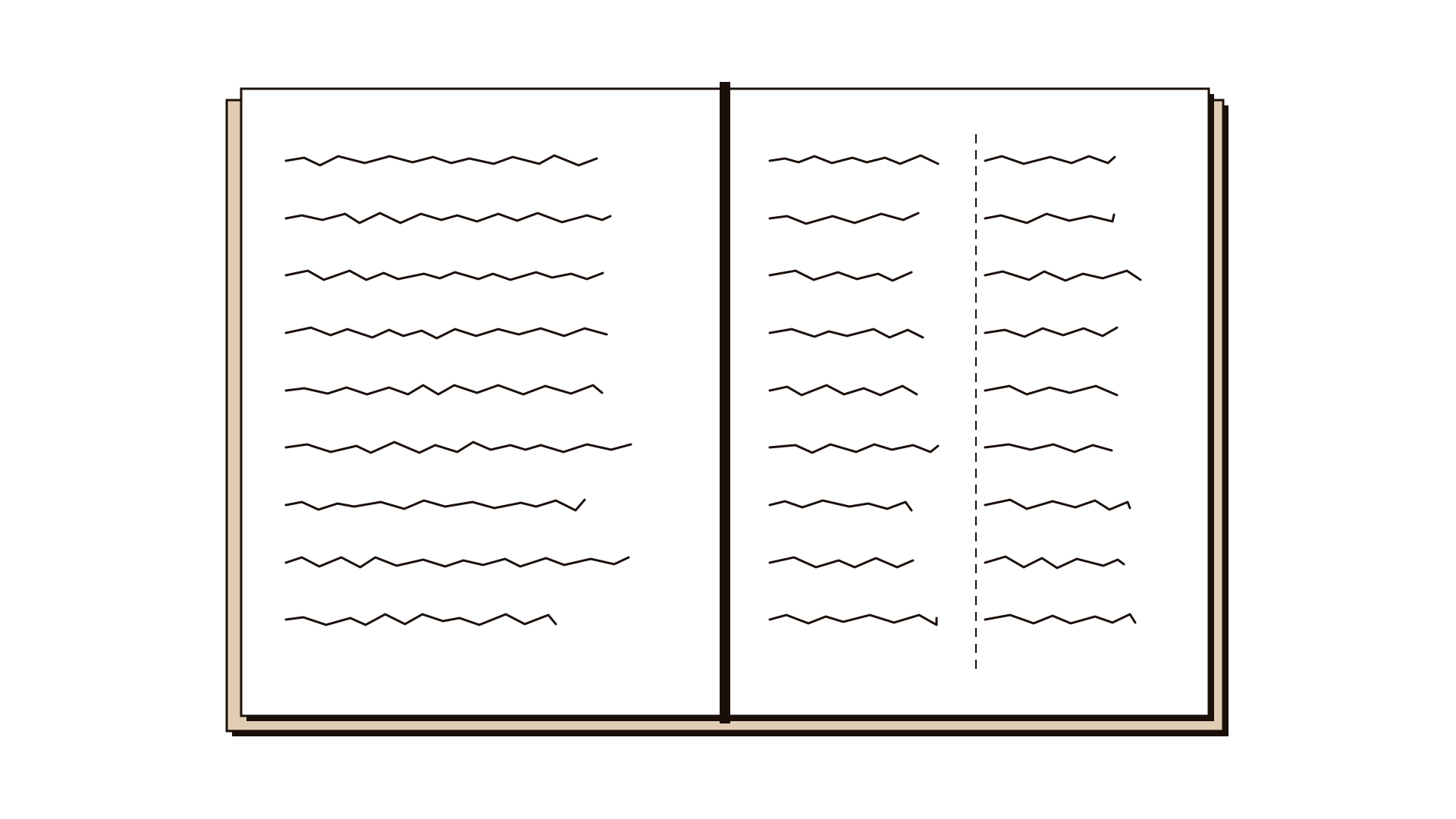
Use a neutral chair from outside the team. The team presents the plan in no more than 10 minutes, then stops talking. The chair takes the panel through the questions one by one. Team members may answer factual questions but must not defend the plan. A defended plan stops the challenge.
Step 5: Capture every challenge
The note-taker writes each challenge on the wall in the panellist's words, one per note. Near the end, the chair asks each panellist for the single change they would make if they could make only one. This usually brings out the most important point.
Step 6: Respond to each challenge
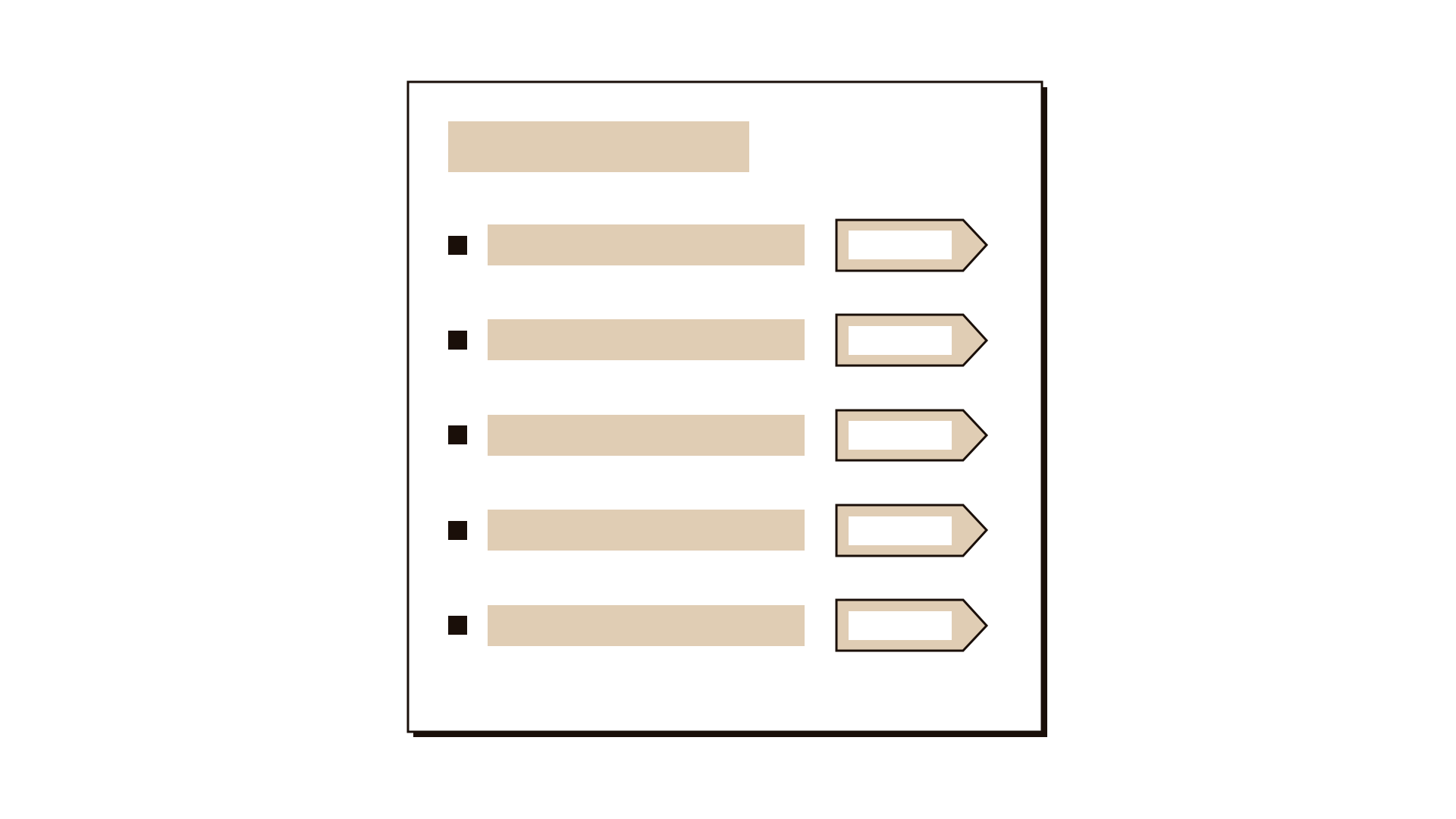
Within a few days, the team sorts every challenge into three groups: accept and change the plan, accept and investigate, or decline with a reason. Write the response next to each challenge in the worksheet. Declining is fine as long as the reason is honest and written down.
Step 7: Close the loop
Send the panel a short note within two weeks setting out what you heard, what you changed and why you did not act on the rest. Name an owner for each change. Panellists who see their advice used are far more willing to help again.
Worked example
A national telecom regulator planned to require all mobile operators to move to a single online process for transferring a number between operators, closing the in-store paper route within six months. About 160,000 number transfers were made each month, and roughly 30% still started on paper in stores.
The team set four questions for the panel, including "who will struggle when the paper route closes?" and "can operators deliver within six months?".
Five panellists were invited: a digital identity specialist from the banking sector, a former operations director from a mobile operator, a representative of a disability association, a consumer protection officer from another regulator and a retired teacher who had transferred her number in a store the year before.
The 90-minute session was chaired by an academic in public policy. The team presented in eight minutes. The panel raised 23 challenges.
The former operator director said that the six-month timeline ignored the operators' annual system release cycles. The disability association representative pointed out that the online identity check relied on a video selfie step that some blind users could not complete alone. The retired teacher said she went to the store because she wanted someone to confirm that her old line would not be cut before the new one worked.
The team accepted 9 challenges, agreed to investigate 6 and declined 8 with reasons. They moved the closure date from six months to nine, kept an assisted in-store route for people who ask for it, added an accessible alternative to the video step, and added a text message confirming the exact time the old line would switch.
Each panellist received a two-page note three weeks later listing every challenge and the response. The plan went to the regulator's board with that note attached.
IllustrativeTips and mistakes
Tips
- Include at least one panellist who will live with the result, not only experts who will comment on it.
- Use a chair from outside the team. A team member chairing will drift into defending the plan.
- Keep the briefing short. A four-page pack that people read is better than forty pages they skim.
- Thank panellists properly and, where your rules allow, pay service users for their time.
Common mistakes
- Inviting friendly experts who will approve the plan, which turns the panel into a formality.
- Running the panel too late, when nothing can change, so the challenges are recorded and ignored.
- Letting the team answer every challenge in the room, which makes panellists stop raising them.
- Never telling the panel what happened, which makes it harder to recruit anyone next time.
What you walk away with
You leave with a written list of every challenge raised, the team's response to each one (change, investigate or decline with a reason), the changes made to the plan with owners, and a note sent back to the panel. The next step is usually to update the value case and roadmap with the changes, and to test any challenges marked "investigate" before launch.
Questions people ask
Who should sit on a challenge panel?
Four to six people with no stake in the plan going ahead and different viewpoints: an expert from another field, someone who has delivered similar work, a partner or group who will be affected and, where right, a person who uses the service.
Does a challenge panel approve the plan?
No. The panel advises; the usual decision makers still decide. Being clear about this in the briefing lets panellists speak freely and avoids confusion about accountability.
What is the difference between a challenge panel and a premortem?
A premortem is run by the team itself, imagining the plan has failed and working out why. A challenge panel brings in outsiders who do not share the team's assumptions. Many teams run a premortem first and then bring the stronger plan to a panel.
Tool card
The worksheet your team fills in, one box per field.
- Plan being tested
- Panellists and why chosen
- Questions to challenge
- Challenges heard
- Team response
- What changes
- Owner and follow-up