
Premortem (pre-mortem)
Imagine it is a year from now and the project has failed. Now explain why.
- Time
- 40 min
- People
- 4–8
- Kind of work
- Choose · Plan

In short
A premortem is a short team exercise run before a plan starts. Everyone imagines the plan has already failed, then writes down the reasons independently. The group combines the reasons, picks the most likely and most damaging, and agrees preventive actions, early warning signals and an owner for each. It takes about 40 minutes.
What it is
A post-mortem looks back at what went wrong after the fact. A premortem moves that conversation to the start, when you can still change things. The psychologist Gary Klein described the technique, and it is now used widely in project and product teams.
The trick is in the framing. Asking 'What could go wrong?' invites polite, cautious answers. Saying 'It has failed. Why?' gives people permission to name doubts they were keeping to themselves, especially in teams where questioning a leader's plan feels risky. Because everyone writes alone first, the quiet worries surface alongside the loud ones. The result is a short list of real risks, each with a signal to watch and a person responsible for prevention.
When to use it
Use it when
- Just before you commit to a plan, a launch date, a pilot or a large purchase.
- When the team seems very confident and nobody has raised a serious concern.
- When a plan depends on other departments, suppliers or public behaviour you do not control.
- After choosing an option with a weighted decision matrix, to test the winner.
Skip it when
- The plan is still a loose idea. There is nothing concrete enough to imagine failing.
- The team is already demoralised and needs support more than a list of risks. Frame it gently or wait.
You need
- Time
- 40 minutes
- People
- 4 to 8 people who will deliver or be affected by the plan, ideally including someone from the front line
- Materials
- A one-page summary of the plan, sticky notes, pens, a wall or board with four columns: failure, possible cause, early signal, prevention owner
How to run it
Step 1: Brief the plan in 3 minutes
The plan owner summarises the goal, the timeline and the main moves. Keep it short. Everyone should share the same picture of what 'the plan' is before imagining its failure.
Step 2: Set the scene of failure
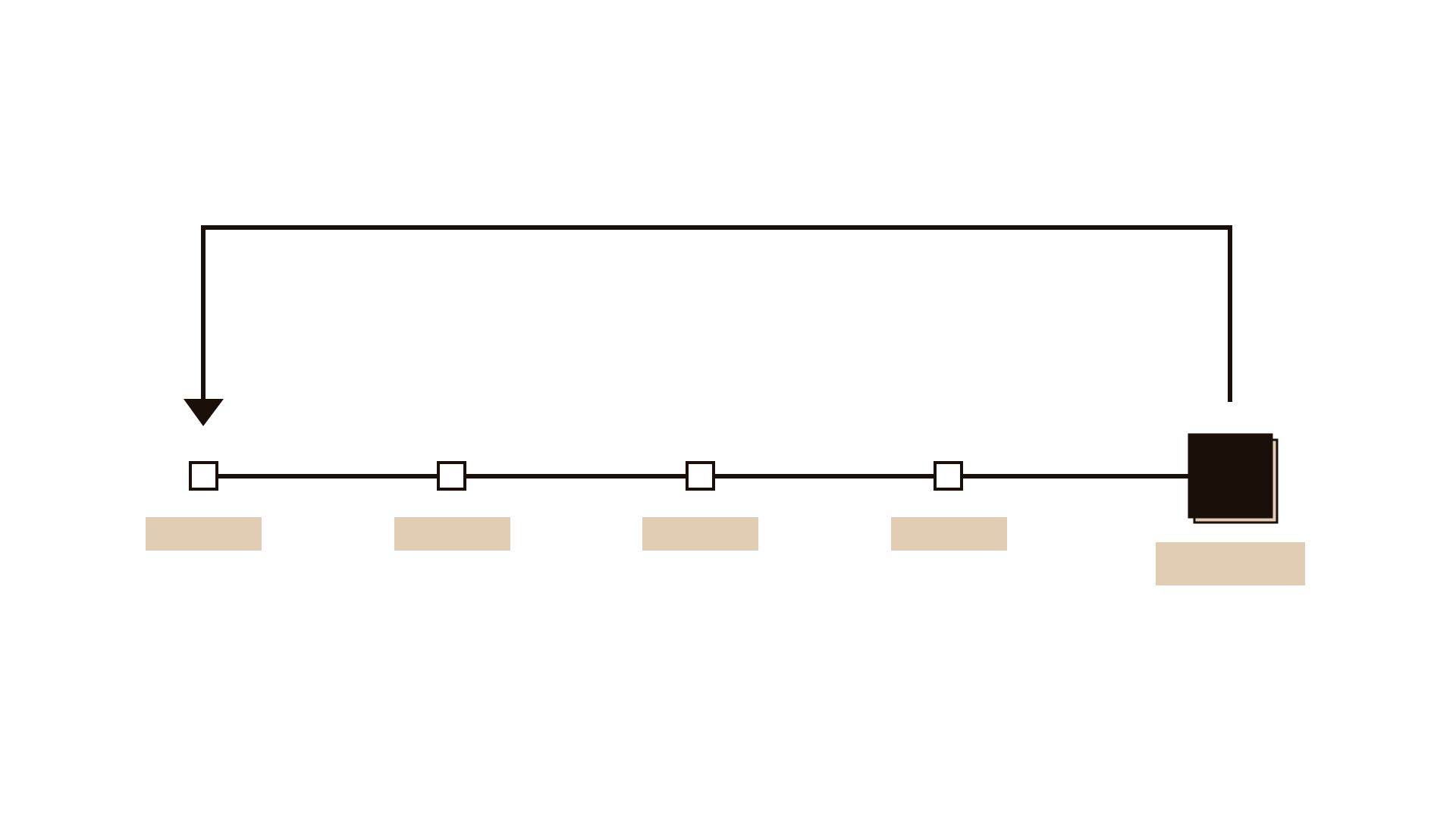
Say: 'It is twelve months from today. The plan has failed clearly and publicly. We are looking back.' Pick a date that fits the plan. Describe what failure looks like in one sentence, for example 'Hardly anyone uses the new online service and complaints have doubled.'
Step 3: Write causes alone
Give everyone 7 minutes to write every reason they can think of, one per sticky note. Ask for specific causes, not general ones. 'IT was late' is weak. 'The payment provider needed eight weeks for testing and we planned two' is useful. No talking during this step.
Step 4: Share in rounds
Go around the room. Each person reads one note and sticks it on the wall, then the next person reads one. Continue until all notes are up. Rounds stop the first speaker from taking every good point. Group duplicates as you go.
Step 5: Pick the risks that matter
Ask the group to mark the causes that are both likely and damaging. A quick show of hands or three dots each works. Aim for 4 to 6 top risks. Leave the rest on the wall and photograph them.
Step 6: Add early signals
For each top risk, ask: 'What would we see early if this were starting to happen?' Choose something you can observe, such as a number, a date missed, or a type of complaint. A good signal appears weeks before the failure, not on the day.
Step 7: Assign prevention owners
For each top risk, agree one preventive action and one person who owns it. Owners are responsible for the action, not blamed for the risk. Fill the worksheet: failure, possible cause, early signal, prevention owner. Schedule a short check-in to review the signals.
Worked example
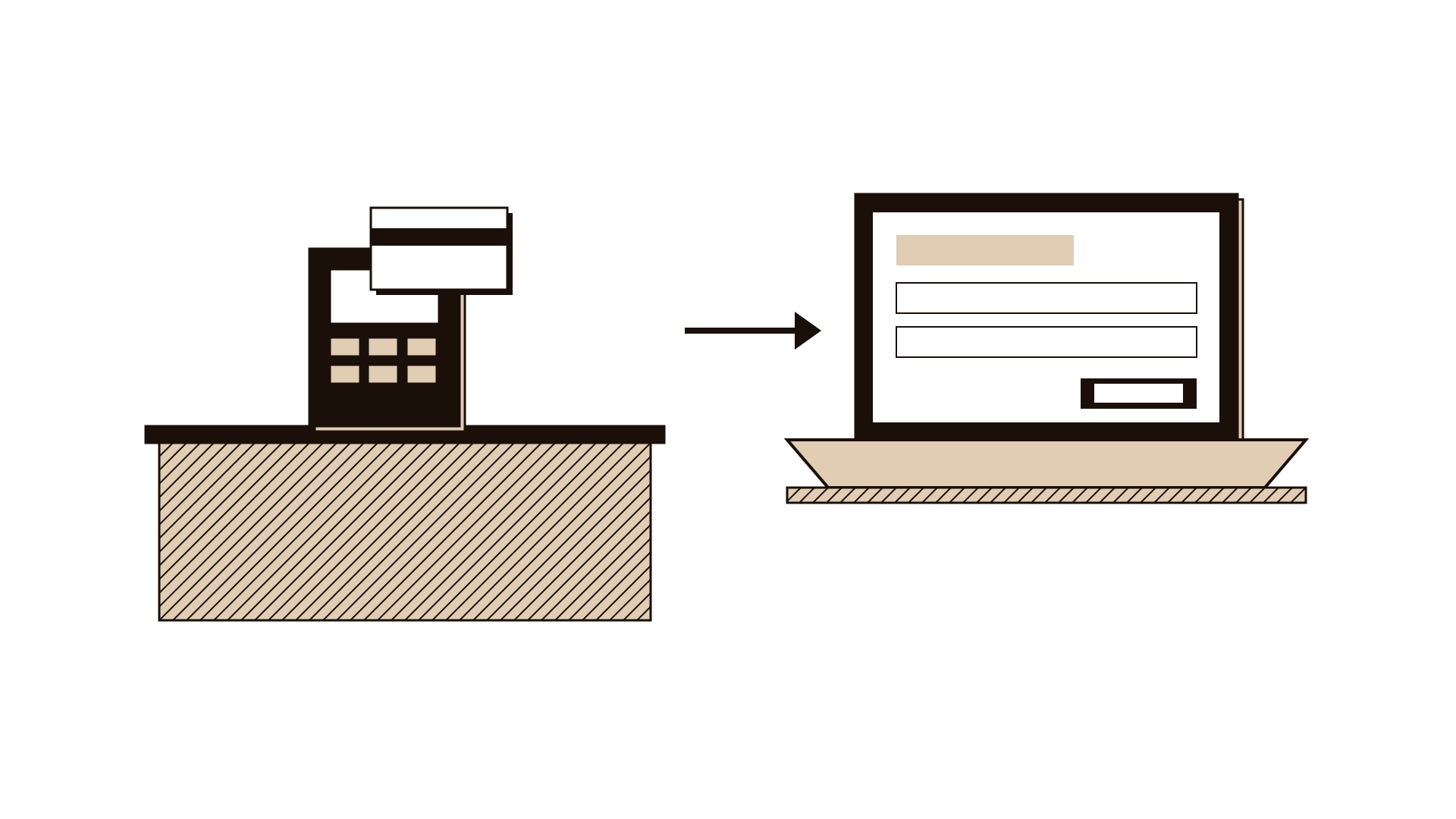
A municipal finance department plans to close its payment counters for fines and fees in six months and move all payments online. Seven people meet before the plan is approved: the project lead, two counter staff, an IT developer, a communications officer, a call-centre supervisor and an accessibility advisor.
The failure scene: 'It is one year from now. Counters are closed, many people cannot pay, queues have moved to the call centre and the minister has asked for the counters to reopen.'
Writing alone, the group produces 31 notes. Counter staff write that many older customers pay in cash and have no bank card. The accessibility advisor notes the payment page has not been tested with screen readers. The developer writes that the bank's card system rejects some foreign-issued cards.
The group selects five top risks: cash-only customers, foreign cards rejected, accessibility gaps, the call centre not trained, and announcements not reaching people who rarely go online.
For foreign cards, the early signal is a failed-payment rate above 5% in the first week of a soft launch, and the developer owns testing with three card types. For cash-only customers, the action is keeping one counter open in each district for twelve months, owned by the project lead. The plan is approved with these changes.
IllustrativeTips and mistakes
Tips
- Ask the most senior person to write their notes and share last, so they do not set the tone.
- Use the past tense in every note: 'We did not test…', 'The supplier was…'. It keeps the frame of failure.
- Invite at least one person who will feel the failure directly, such as a front-line employee.
- Run a second, shorter premortem halfway through delivery. New risks appear.
Common mistakes
- Turning it into a debate about whether each risk is real. Capture first, judge later.
- Listing risks without signals or owners, so nothing changes after the meeting.
- Blaming named people or teams for imagined failures. Describe causes, not culprits.
- Running it after the plan is locked, when nobody can act on what you find.
What you walk away with
You leave with a ranked list of the most likely and damaging causes of failure, an early signal for each, and a named owner for every preventive action. The plan is stronger before it starts. Feed the top risks into your assumption map to decide what to test first, and turn the preventive actions into items on your rollout checklist.
Questions people ask
What is the difference between a premortem and a risk assessment?
A risk assessment usually lists risks by asking what might happen. A premortem assumes failure has happened and asks why. That shift tends to surface more honest and more specific causes, and it is quicker to run with a group.
How long does a premortem take?
About 40 minutes for most plans: a few minutes to brief, 7 to write, 10 to share, and the rest to choose risks, signals and owners. A large programme may need a second session for each workstream.
Will a premortem make the team negative?
Usually the opposite. People feel relieved to say what worried them, and the session ends with concrete actions. Keep the tone practical, and close by naming what the team has made stronger.
Tool card
The worksheet your team fills in, one box per field.
- Failure
- Possible cause
- Early signal
- Prevention owner