
Stakeholder interviews
Ask one person about one recent, real experience, write down their words, and keep what you saw apart from what you think it means.
- Time
- 30 min
- People
- 2
- Kind of work
- Understand

In short
A stakeholder interview is a 30-minute, one-to-one conversation in which you ask someone to walk you through a recent, real experience with a service or process. You record their own words, ask for specifics, and keep observation separate from interpretation. Run five to eight interviews before you decide what the problem is.
What it is
A stakeholder interview is a planned conversation with one person who uses, runs or is affected by the thing you want to improve. That person might be a citizen applying for a permit, a clerk processing the application, or a manager who signs it off. The point is to hear what really happened to them, in their own words, before your team settles on a story.
The method rests on one discipline: ask about a specific, recent event rather than general opinions. People are poor at describing their habits and good at retelling last Tuesday. A dated memory carries detail, such as the form that was rejected, the call that went unanswered or the workaround they invented. That detail is the evidence your team will build on.
When to use it
Use it when
- At the start of a project, before anyone has agreed what the problem is.
- When complaints, data or a senior request point to a problem but nobody can say why it happens.
- When different groups (applicants, staff, approvers) describe the same process in very different ways.
- When you need quotes and evidence to make a case to decision makers.
- Before running a workshop, so the workshop starts from real experiences.
Skip it when
- When you need numbers, such as how many people drop out at a step. Use your service data or a survey for that.
- When you want to know what people do with their hands and screens. Watch them instead with contextual observation.
- When the person cannot speak freely, for example with their manager in the room.
You need
- Time
- 30 minutes per interview, plus 15 minutes to tidy notes straight after.
- People
- One interviewer and one note taker, with one participant at a time.
- Materials
- A one-page question guide, the four-field worksheet, a notebook or laptop, and written consent if you record audio.
How to run it
Step 1: Decide what you need to learn
Write one sentence that names the experience you want to understand, for example: how people renew a building permit. Choose five to eight people who have been through it recently, and mix the roles: those who apply, those who process, those who approve.
Step 2: Write a short guide
Prepare six to eight open questions that move through the experience in order. Start each with tell me about, walk me through or what happened when. Avoid questions that can be answered yes or no, and never ask people to design the solution for you.
Step 3: Open with consent and context
Explain who you are, why you are asking and how notes will be used. Say clearly that you are studying the process, not judging the person. Ask permission before recording. This takes two minutes and changes how open people are.
Step 4: Anchor on one recent event
Ask: think of the last time you did this. When was it? Then have them tell it step by step. If they drift into generalities such as usually or always, bring them back gently: and on that day, what happened next?
Step 5: Record their words, not your summary
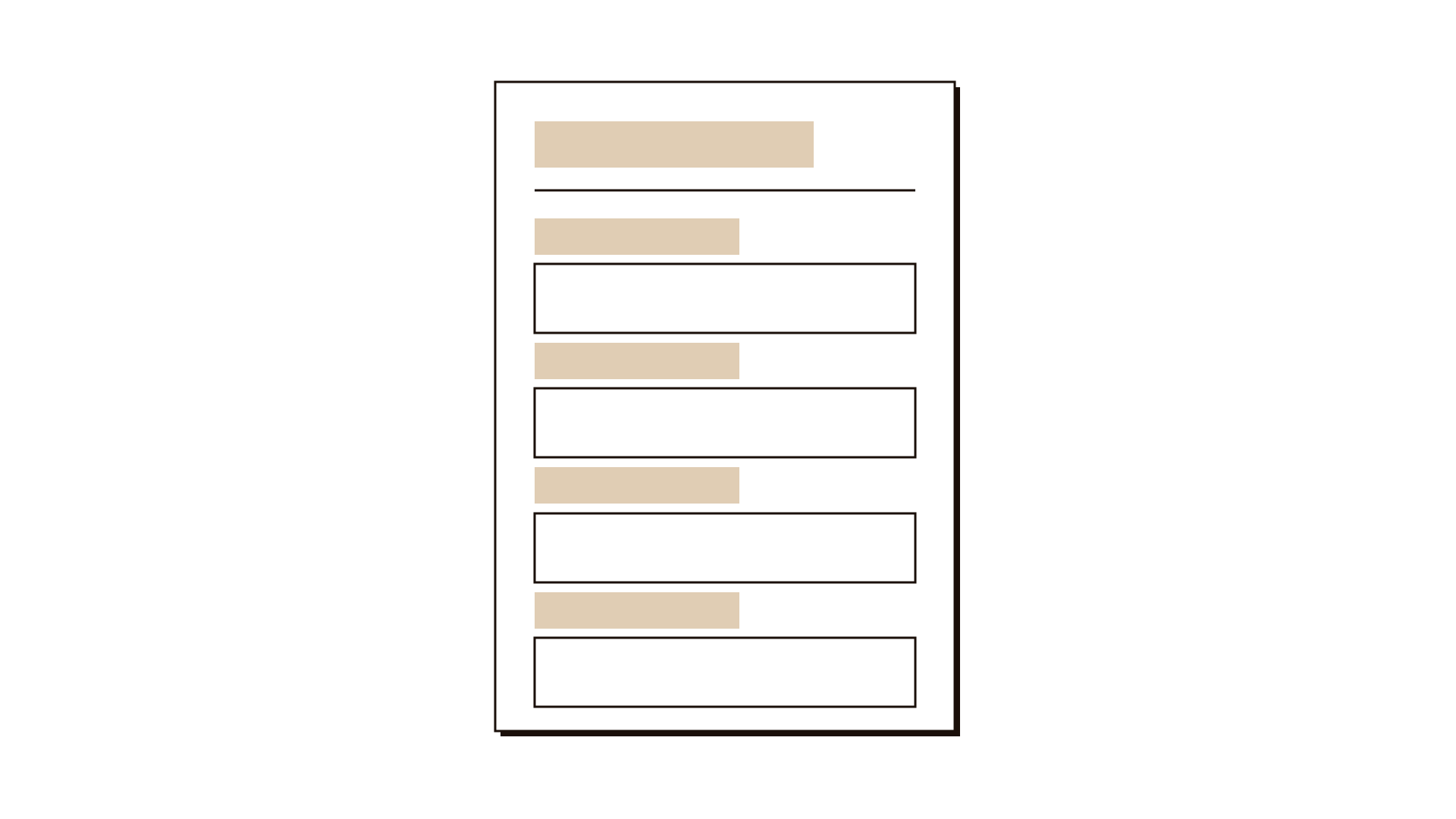
The note taker writes the person's phrases as close to verbatim as possible in the Observed answer field. Facts that can be checked, such as a document, a date or a screen, go in Evidence. Your own reactions go nowhere near these fields.
Step 6: Follow up on surprises
When you hear something unexpected, ask one more question: what did you do then, or why that way? Write the questions you could not ask in Follow-up, so the next interview can test them.
Step 7: Debrief within 15 minutes
Straight after, both of you read the notes, fill gaps while memory is fresh, and mark the two or three moments that mattered most. Keep interpretation in a separate column or page so it never overwrites what was said.
Worked example
A municipal licensing department wants to know why renewals of building permits take three weeks when the target is five days. The team interviews six people: three applicants, two counter clerks and one approving engineer.
The interviewer asks an applicant to recall her last renewal. She remembers the date because her contractor stopped work that week. She describes uploading the documents, then getting a rejection notice four days later for a missing stamped drawing she did not know was needed.
The note taker records her phrase, I only found out what they wanted after they said no, and lists the rejection notice as evidence. In Follow-up he writes: is the drawing requirement shown anywhere before submission?
A clerk, interviewed the next day, says around a third of renewals come back incomplete. He shows the internal checklist, which includes the stamped drawing. The public page does not. That gap goes in Evidence.
After six interviews the team has a clear thread: the delay is mostly rework caused by a missing requirement, not slow approval. They now have quotes, documents and a specific question to test with the service data.
IllustrativeTips and mistakes
Tips
- Interview in pairs. One person listens and asks, the other writes. Doing both at once loses the exact words.
- Silence is useful. Count to five before your next question and people will often add the detail that matters.
- Ask to see things: the email, the form, the screen. An artefact is stronger evidence than a memory.
- Include the people who make the process work behind the counter, not only the people it serves.
- Stop at the number where you stop hearing new things, often after five or six interviews per role.
Common mistakes
- Asking what people would like. Wishes are guesses; recent events are evidence.
- Leading the witness with questions like wasn't the form confusing? You will hear your own view back.
- Writing summaries in place of quotes, so the team later argues about what was really said.
- Treating one vivid story as the whole truth. Look for the pattern across several interviews.
What you walk away with
You leave with a set of worksheets, one per interview, holding the questions asked, the person's own words, the evidence you saw and the open follow-ups. That raw material is what the rest of the project stands on. Next, spread the observations out and cluster them with affinity grouping to find the patterns, and use a stakeholder map to see whose voices are still missing.
Questions people ask
How many stakeholder interviews do I need?
Five to eight per role is usually enough to see patterns. Stop when new interviews only repeat what you have heard, and add more if one group is clearly missing.
Should I record stakeholder interviews?
Only with explicit consent, and only if you will use the recording. Good notes in the person's own words are often enough, and some people speak more freely without a recorder.
What is the difference between an interview and a survey?
An interview tells you why and how something happened to a few people in depth. A survey tells you how often something happens across many people. Interviews usually come first and shape the survey questions.
Tool card
The worksheet your team fills in, one box per field.
- Question
- Observed answer
- Evidence
- Follow-up