
Impact effort matrix
Place your options on one grid of impact and effort, with reasons, and see what deserves your next move.
- Time
- 30 min
- People
- 4–6
- Kind of work
- Choose · Plan

In short
An impact effort matrix is a two-by-two grid where a team places each option by how much good it is expected to do and how much work it will take. To run it, agree what high and low mean on both scales, place options one at a time with a stated reason, then check the evidence before committing.
What it is
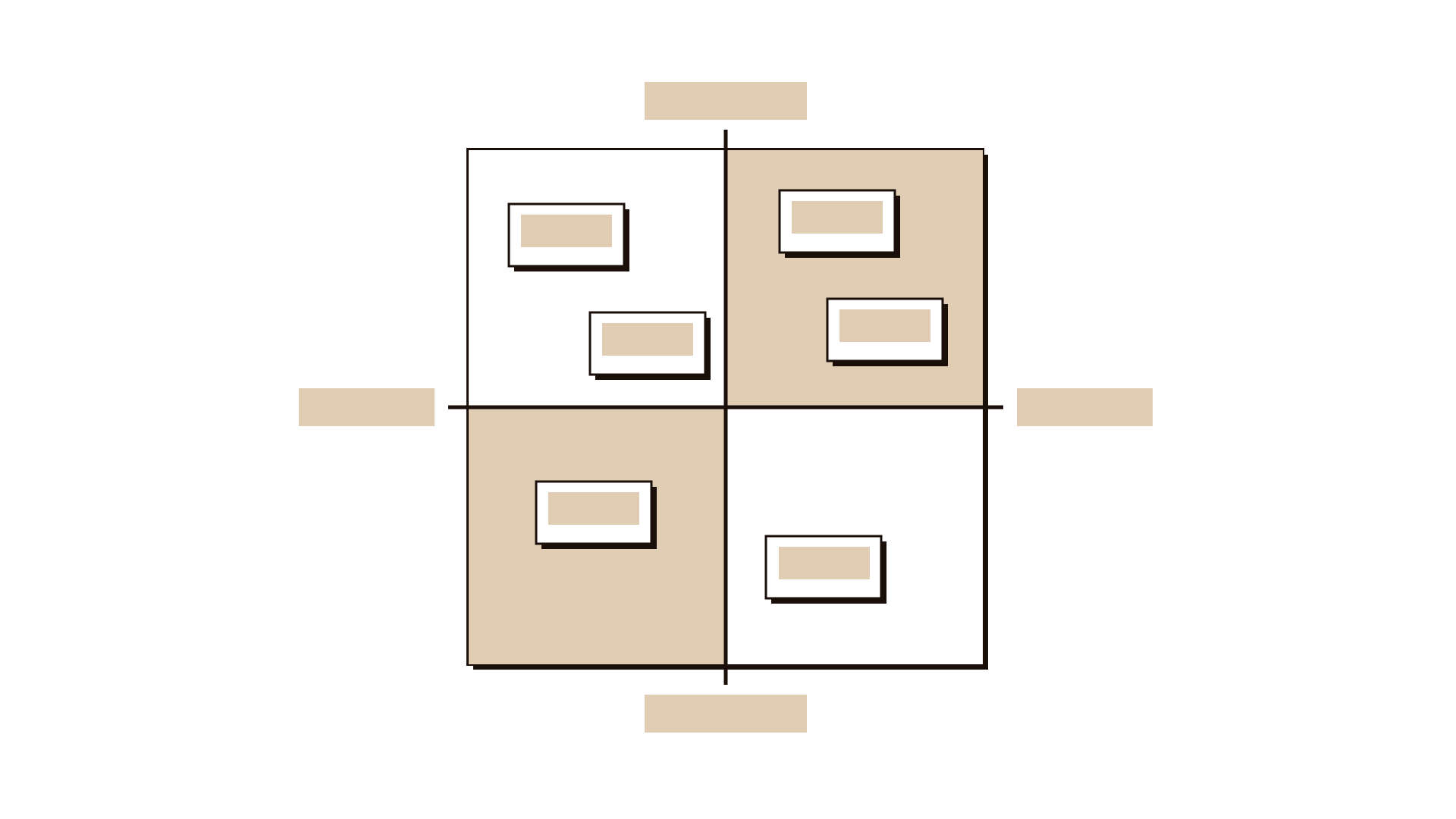
Most teams finish an idea session with more options than they can deliver. The impact effort matrix is a quick way to sort them. You draw a grid. The vertical axis is expected impact on the people or goal you care about. The horizontal axis is effort: time, money, people and disruption. Each option goes where the group believes it belongs.
The four corners give a rough reading. High impact and low effort are often called quick wins. High impact and high effort are big bets that need a proper plan. Low impact and low effort are small fixes you might batch. Low impact and high effort are usually dropped. The method is common in facilitation and design practice. Most of the value comes from the conversation about why an option sits where it does, so this worksheet asks for evidence next to every placement.
When to use it
Use it when
- You have ten or more ideas from a workshop and need to decide which to take forward.
- A team is overloaded and needs to agree what to pause.
- Leaders want a fast, visible way to compare improvement options in a review meeting.
- You are building a short-term plan and want to balance quick wins with longer projects.
- Two groups favour different options and you need a shared frame for the discussion.
Skip it when
- The decision is large, costly or hard to reverse. Use a weighted decision matrix with explicit criteria.
- You only have two or three options. A direct discussion of pros and cons is quicker.
- Nobody in the room can estimate effort, such as when delivery teams are absent.
You need
- Time
- About 30 minutes for 10 to 20 options.
- People
- 4 to 6 people, including someone who understands delivery effort and someone close to the users.
- Materials
- A large grid on a wall or board, one card per option, markers and the worksheet for recording evidence.
How to run it
Step 1: Agree what impact means
Before placing anything, decide what you are measuring impact on. Is it waiting time, error rates, cost, satisfaction or a policy goal? Write it at the top of the vertical axis. Then agree what "high" looks like, such as "saves more than ten minutes per applicant".
Step 2: Agree what effort means
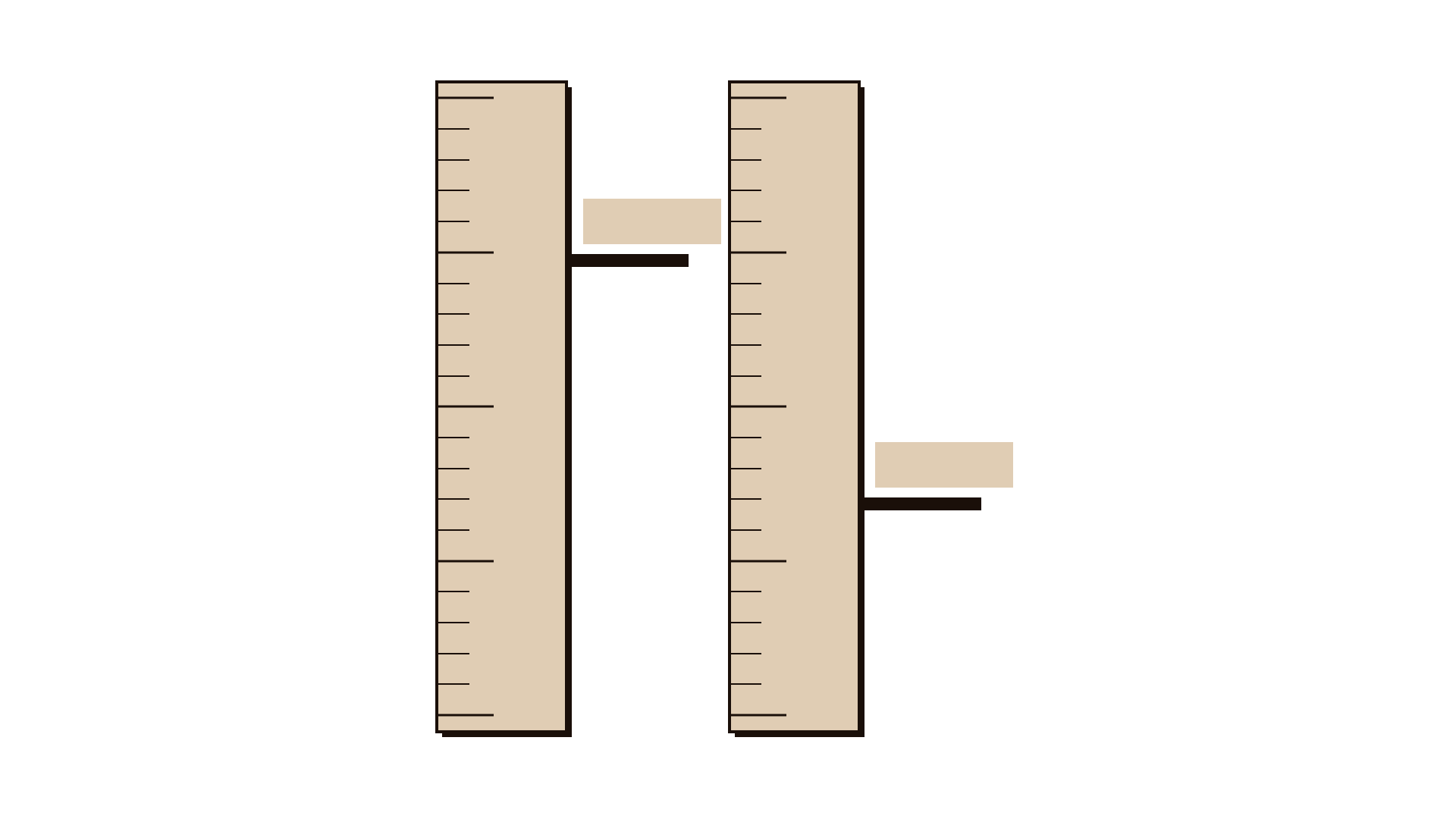
Do the same for effort. Include staff time, budget, technical change and approvals. Give the team two or three reference points, such as "low is one team in under a month" and "high needs another department and new budget".
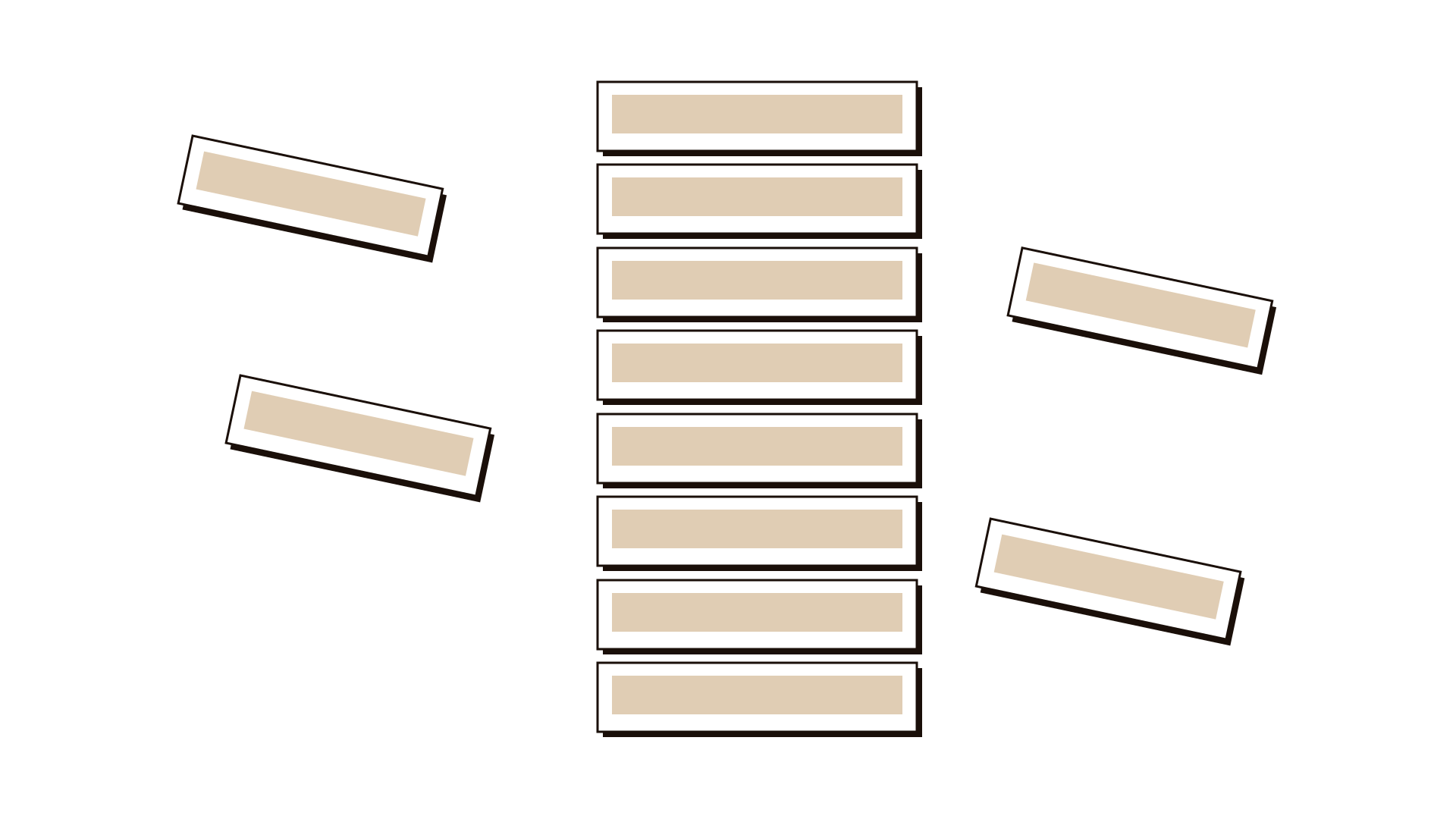
Step 3: Write each option on a card
Put one option per card in a short phrase. Merge duplicates. If an option is too vague to estimate, split it or park it for later.
Step 4: Place options one at a time
Read each card aloud and ask the group where it goes. The person who places it says why in one sentence. If someone disagrees, let them move it and explain. Spend no more than two minutes per card.
Step 5: Record the reason and evidence
For each placed option, note on the worksheet the expected impact, the effort and the evidence behind both. Mark any placement that rests only on opinion.
Step 6: Read the grid together
Step back and look at the pattern. Which quick wins stand out? Which big bets are worth planning? Which options cluster in the low-impact, high-effort corner and can be dropped openly?
Step 7: Name what to check before committing
For the options you want to take forward, list what must be confirmed first, such as a cost quote, a legal view or a short test with users. Assign an owner and a date for each check.
Worked example
A university's student services office ran an idea session on reducing queues during the first two weeks of term. The session produced 16 options, from a new booking system to moving one desk to a different building.
Five people met for 30 minutes: the head of student services, two front desk advisers, an IT business partner and a student representative.
They agreed impact meant "fewer students waiting more than 20 minutes in week one". Low effort meant "we can do it within our own team before term starts". High effort meant "needs IT development or budget approval".
Sending a pre-arrival message listing the five documents students most often forgot was placed high impact, low effort. The adviser who placed it cited records showing that nearly half of return visits were for a missing document.
A new online appointment system landed high impact, high effort. A redesigned queue sign landed low impact, low effort, and extending opening hours to weekends landed low impact, high effort because few students came on Saturdays last year.
The team agreed to send the pre-arrival message, plan the appointment system for the following term, and check staff availability before deciding on two other quick wins.
IllustrativeTips and mistakes
Tips
- Fix the meaning of both axes before placing a single card. Most arguments come from different scales.
- Use relative placement: compare each new card with ones already on the grid.
- Invite someone who will do the work to estimate effort. Sponsors tend to underestimate it.
- Photograph the grid and keep the worksheet. Placements are worth revisiting once you have evidence.
Common mistakes
- Placing everything in the quick-win corner because the group is optimistic.
- Treating the grid as the decision, when it is a starting point for checking evidence.
- Forgetting hidden effort, such as training, communications or approvals.
- Letting the most senior person place every card.
What you walk away with
The team leaves with every option placed on a shared grid, a reason and evidence noted for each, and a short list of options to take forward along with what must be checked first. The next step depends on the choice. For a big or costly decision, use a weighted decision matrix. For turning chosen options into a sequence of work, move to roadmapping.
Questions people ask
What are the four quadrants of an impact effort matrix?
High impact with low effort, often called quick wins. High impact with high effort, often called big bets or major projects. Low impact with low effort, small fixes. Low impact with high effort, usually dropped. Names vary, and the reasoning behind each placement matters more than the label.
Impact effort matrix vs weighted decision matrix: which should I use?
Use the impact effort matrix for quick sorting of many options with two broad criteria. Use a weighted decision matrix when a decision is important enough to need several criteria, agreed weights and a written record.
How do we stop the matrix becoming a matter of opinion?
Agree clear definitions for high and low on both axes, ask for one reason per placement, and record the evidence. Any placement without evidence becomes something to check before you commit.
Tool card
The worksheet your team fills in, one box per field.
- Option
- Expected impact
- Effort
- Evidence