
PESTLE analysis
A structured look outside your walls, so the team plans for the world as it is becoming rather than the world it remembers.
- Time
- 60 min
- People
- 4–8
- Kind of work
- Understand · Frame

In short
PESTLE analysis is a structured scan of six kinds of outside change: political, economic, social, technological, legal and environmental. A team lists the changes that matter to its work, records the evidence for each, writes what each change means for them, and marks how uncertain it is. It takes about an hour.
What it is
PESTLE is a checklist for looking outward. Most teams know their own work well and the forces around it less well. The six letters stand for Political, Economic, Social, Technological, Legal and Environmental. Each letter is a prompt that makes the group ask what is shifting in that part of the world and whether it touches the service, product or policy they are responsible for.
The value is not in filling six boxes. It is in the last two columns: what the change implies for you, and how sure you are that it will happen. A good PESTLE ends with a short list of changes the team agrees to act on, watch, or test, each with a source someone can check.
When to use it
Use it when
- Before an annual plan or strategy refresh, so priorities rest on current conditions.
- When a service is about to be redesigned and you want to know what may change around it in the next few years.
- When a new leader joins and the team needs a shared picture of the outside context.
- As the input to a SWOT analysis, where PESTLE feeds the opportunities and threats.
- Before building scenarios, to find the uncertainties worth exploring.
Skip it when
- When the problem is inside the organisation, such as a broken handover between two teams. Use a root-cause tool instead.
- When you need a decision today. PESTLE widens the view; it does not choose for you.
You need
- Time
- 60 minutes, plus 30 minutes of desk research before the session.
- People
- 4 to 8 people from different parts of the work, including someone who reads policy and someone close to the people you serve.
- Materials
- A wall or board with six columns, sticky notes in two colours, markers, and a printed or shared PESTLE worksheet with the five fields.
How to run it
Step 1: Set the scope and the time frame
Write on the board what you are scanning for, for example the permit service, and how far ahead you are looking, usually two to five years. Without a scope, people list everything happening in the world.
Step 2: Ask for pre-reading
Before the session, give each person one or two letters to research for 30 minutes. Ask them to bring three changes each, with a link or document for every one. This keeps the session about evidence, not opinion.
Step 3: Post changes under each letter
Give the group 15 minutes. Each person writes one change per sticky note, phrased as a movement: rising, falling, starting, ending. Put the source on the back. Aim for four to eight notes per letter.
Step 4: Merge and sharpen
Read each column aloud. Merge duplicates and reword vague notes. Technology is changing becomes more residents apply from their phones. If a note fits two letters, place it where it most affects you and move on.
Step 5: Write the implication
For each remaining change, ask: if this continues, what does it mean for our work? Write the answer in one sentence on a second colour of note. A change with no implication for you can be set aside.
Step 6: Mark the uncertainty
Rate each change as low, medium or high uncertainty. Low means it is already happening and well documented. High means credible people disagree. Do not argue to agreement; record the spread if views differ.
Step 7: Choose what to act on
Pick the three to five changes with the clearest implication. Decide for each whether the team will act now, watch it with a named signal, or explore it further. Assign a role to own each one.
Worked example
A city licensing department wanted to simplify its home business licence. Six people met for an hour: two from the licensing desk, one policy officer, one from digital services, one from finance and a facilitator.
Pre-reading produced 24 changes. After merging, 15 remained. Under Social, the group noted that more people were starting small businesses from home after leaving salaried jobs, backed by a regional labour survey.
Under Legal, a new data-sharing rule between agencies was due the following year. The implication: the department might be able to check an applicant's address with another agency rather than asking for documents.
Under Technological, the team noted that most applications already arrived by phone. Uncertainty was low. The implication was that any new form had to be easy on a small screen.
Under Economic, a proposed fee change was marked high uncertainty, because two senior officials had said different things in public.
The team chose four changes. They would act on the mobile form, explore the data-sharing rule with the legal team, and watch the fee proposal by tracking the budget calendar. One role was named for each.
IllustrativeTips and mistakes
Tips
- Keep the source on every note. A change without evidence becomes a rumour by the second meeting.
- Invite one person who serves the public directly. They often know about social change months before the reports do.
- Write changes as trends with a direction, never as single words like Inflation or AI.
- Run PESTLE again every six to twelve months and compare. The changes that moved are often more useful than the list itself.
Common mistakes
- Spending the whole hour filling columns and leaving no time for implications.
- Treating every letter as equally important. For some work, Legal matters far more than Environmental.
- Listing only threats. Many outside changes are openings for a better service.
- Ending without owners, so the scan sits in a folder until next year.
What you walk away with
You leave with a short, sourced list of outside changes, each with a one-line implication, an uncertainty mark and an owner. The changes you marked as high uncertainty and high impact are the raw material for a scenario matrix. The ones you will act on now feed straight into a SWOT analysis or your plan.
Questions people ask
What is the difference between PEST and PESTLE?
PEST covers political, economic, social and technological change. PESTLE adds legal and environmental. Use the longer version when regulation or climate and resources affect your work, which is true for most public services and regulated sectors.
PESTLE vs SWOT: which comes first?
PESTLE usually comes first. It looks only outside. SWOT then combines that outside view with your internal strengths and weaknesses. The changes from PESTLE become the opportunities and threats in SWOT.
How many factors should a PESTLE have?
Collect as many as you find, then cut to the ones with a clear implication for you. Ten to twenty is common after merging. Three to five should be chosen for action.
Tool card
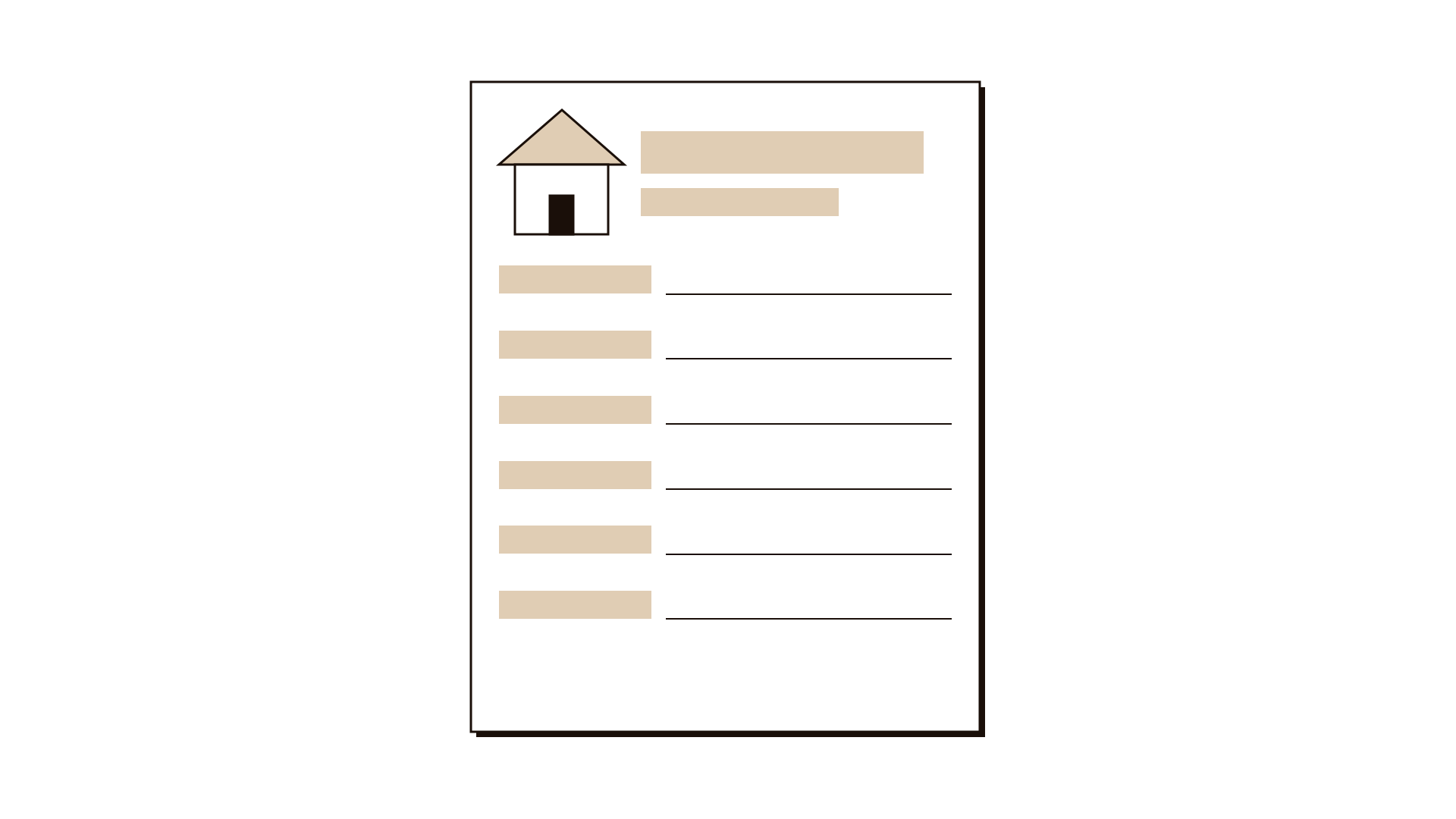
The worksheet your team fills in, one box per field.
- Factor
- Change
- Evidence
- Implication
- Uncertainty