
Hoshin-style annual alignment (Hoshin Kanri)
Turn long-term direction into a handful of annual priorities, agree who depends on whom, and set the reviews that keep the year on course.
- Time
- 90 min
- People
- 6–10
- Kind of work
- Plan · Scale

In short
Hoshin-style annual alignment is a planning method that translates a long-term outcome into a few annual priorities that every team can see and support. To run it, leaders propose priorities, teams respond with what they can deliver and what they need from others, dependencies are negotiated openly, and a regular review rhythm is set to adjust the plan.
What it is
Hoshin Kanri is a planning approach that grew out of Japanese industry in the second half of the twentieth century and is now used widely in lean organisations. The word hoshin is often translated as direction or compass. The core idea is simple: choose very few priorities for the year, make sure every team understands how its work connects to them, and review progress often enough to correct course.
What makes it different from a list of goals is the conversation between levels, often called catchball. Leaders propose a direction, teams push back with what is realistic and what they need, and the plan is adjusted until both sides agree. The result is a short, shared plan in which dependencies between teams are visible from the start rather than discovered in month nine.
When to use it
Use it when
- Your organisation has a long-term strategy but teams cannot see how their year connects to it.
- Too many priorities compete and nothing gets finished.
- Teams depend on each other and keep discovering conflicts late.
- You are starting an annual planning cycle and want fewer, clearer commitments.
- A new leader wants to agree the year's direction with several departments at once.
Skip it when
- There is no agreed long-term direction yet; settle that first with a strategic choice cascade.
- You need a delivery plan for a single project; use a roadmap instead.
- Leaders are not willing to drop priorities, so the list will only grow.
You need
- Time
- 90 minutes for the alignment workshop, plus one or two shorter follow-up rounds with teams.
- People
- 6–10 people: the leadership group and one lead from each team that carries a priority.
- Materials
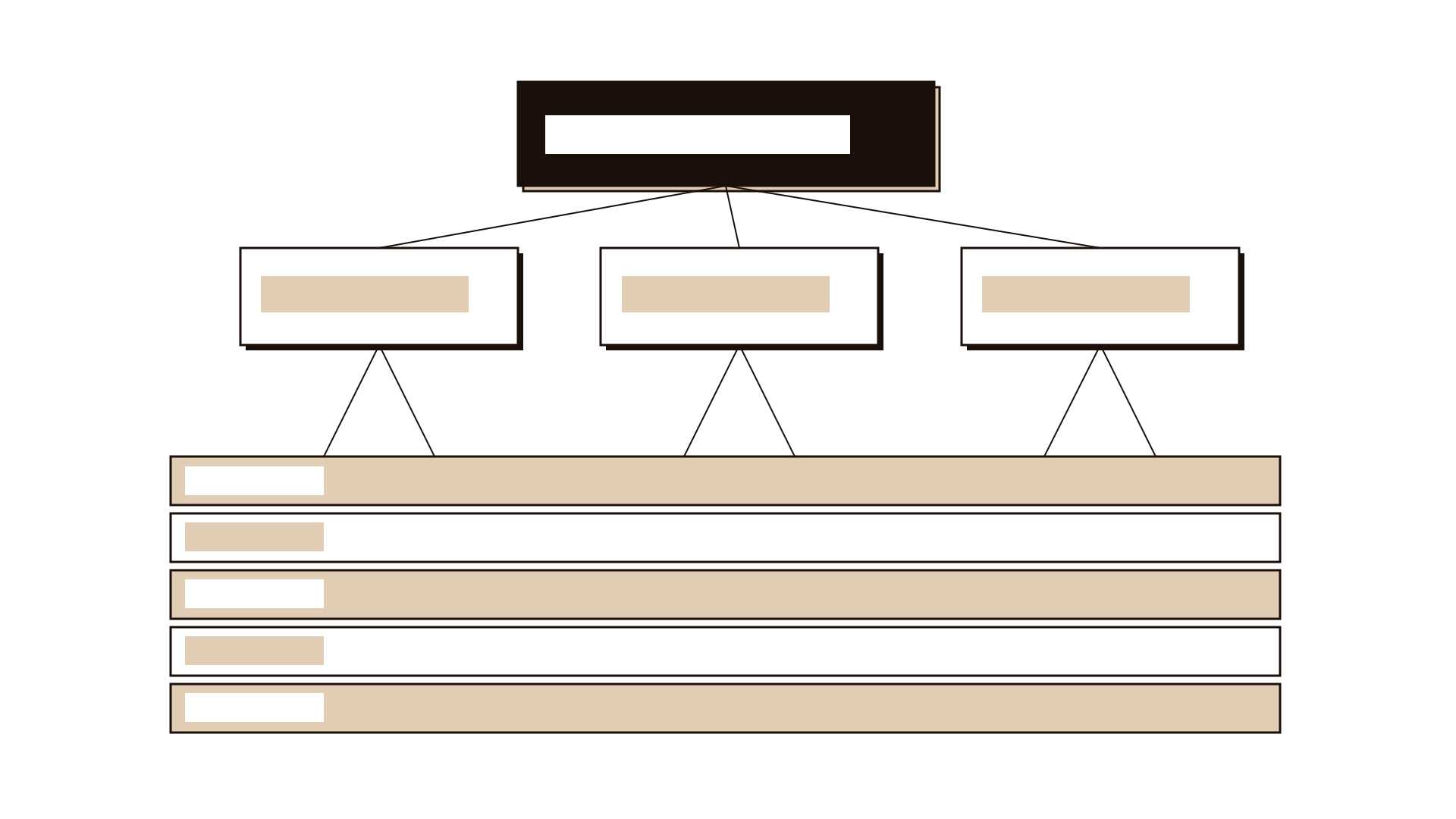
- A large board laid out as a cascade: long-term outcome at the top, annual priorities below, team lanes underneath; cards for owners, measures and dependencies.
How to run it
Step 1: Restate the long-term outcome
Put the three-to-five-year outcome at the top of the board in one sentence. Check everyone reads it the same way. If people disagree, stop and resolve that first.
Step 2: Propose a few annual priorities
Leaders propose no more than three to five priorities for the year that move the outcome forward. Write each one as a result, not an activity. Ask what you will stop doing to make room.
Step 3: Give each priority an owner and measure
Assign one owner role per priority and one or two measures that will show progress. Keep measures simple enough to check every month.
Step 4: Let teams respond
Each team lead writes what their team can contribute to each priority and what they will need from others. Give them 15 minutes. This is the first round of the back-and-forth between levels.
Step 5: Negotiate dependencies
Draw lines between teams where one depends on another. Talk through each line: is the timing realistic, is capacity there? Adjust priorities or scope until every dependency has an agreed answer.
Step 6: Set the review rhythm
Agree a monthly short review and a deeper quarterly review. Decide who attends, what is looked at and how a priority can be changed. Write the rules on the board.
Step 7: Publish one page
Turn the board into a single page that shows the outcome, the priorities, owners, measures, dependencies and review dates. Share it with every team within a week.
Worked example
A national insurer wanted its claims, digital, finance and customer service teams to pull in the same direction for the coming year.
The long-term outcome was: most claims settled within ten days by the end of three years. The leadership group of eight first proposed seven priorities, then cut them to three after asking what they would stop.
The three priorities were: online claim submission for motor claims, a single view of each claim for staff, and faster payment once a claim is approved. Each had one owner role and one measure.
When teams responded, digital said it could deliver online submission only if finance agreed the payment data format by March. Finance had planned that work for the autumn.
The group moved the finance work forward and paused a lower-value reporting project to free capacity. The dependency line was redrawn with a firm date.
They agreed a 30-minute monthly review and a half-day quarterly review. At the first quarterly review, the single view priority was rescoped after a vendor delay, and the plan stayed credible.
IllustrativeTips and mistakes
Tips
- Hold the line at three to five priorities; the method fails when everything is a priority.
- Ask every priority owner to name one thing their team will stop.
- Make dependencies physical lines on the board so nobody can miss them.
- Keep monthly reviews short and focused on blockers, not on reporting.
- Write the one-page plan in plain language that a new joiner can understand.
Common mistakes
- Cascading targets down without listening to what teams say is possible.
- Writing priorities as activities, so the year ends with work done and no result.
- Skipping the review rhythm, which turns the plan into a document nobody opens.
- Treating the plan as fixed when evidence shows a priority needs to change.
What you walk away with
You leave with a one-page annual plan showing the long-term outcome, a few priorities with owners and measures, agreed dependencies between teams and a review rhythm. Use objectives and key results to help each team set its own quarterly goals, or a RACI to clarify roles on shared priorities.
Questions people ask
How long does Hoshin planning take?
The main workshop takes about 90 minutes. Allow one or two weeks for teams to respond and for dependencies to be settled before the plan is published.
Hoshin Kanri vs OKRs: what is the difference?
Hoshin focuses on a few annual priorities and the negotiation between levels and teams. OKRs set shorter goals with measurable key results. Many organisations use Hoshin for the year and OKRs for each quarter.
What is catchball in Hoshin planning?
Catchball is the back-and-forth between leaders and teams. Leaders propose priorities, teams respond with what is realistic and what they need, and the plan is adjusted until both agree.
Tool card
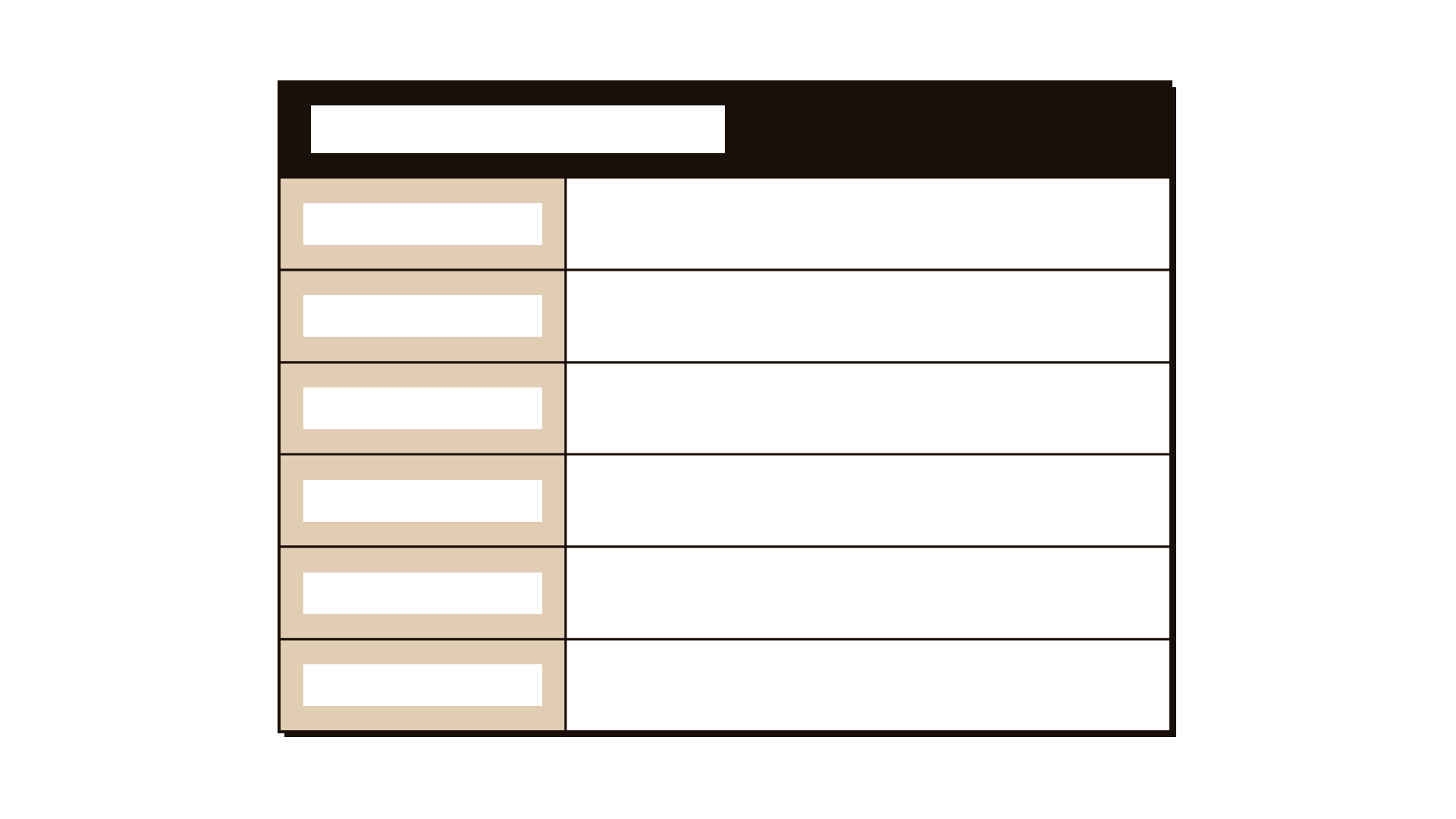
The worksheet your team fills in, one box per field.
- Long-term outcome
- Annual priority
- Owner
- Measure
- Dependency
- Review