
Strategic choice cascade
Treat a strategy as a chain of linked choices, compare two or three complete chains, and find the assumption each one rests on.
- Time
- 60 min
- People
- 4–7
- Kind of work
- Frame · Choose

In short
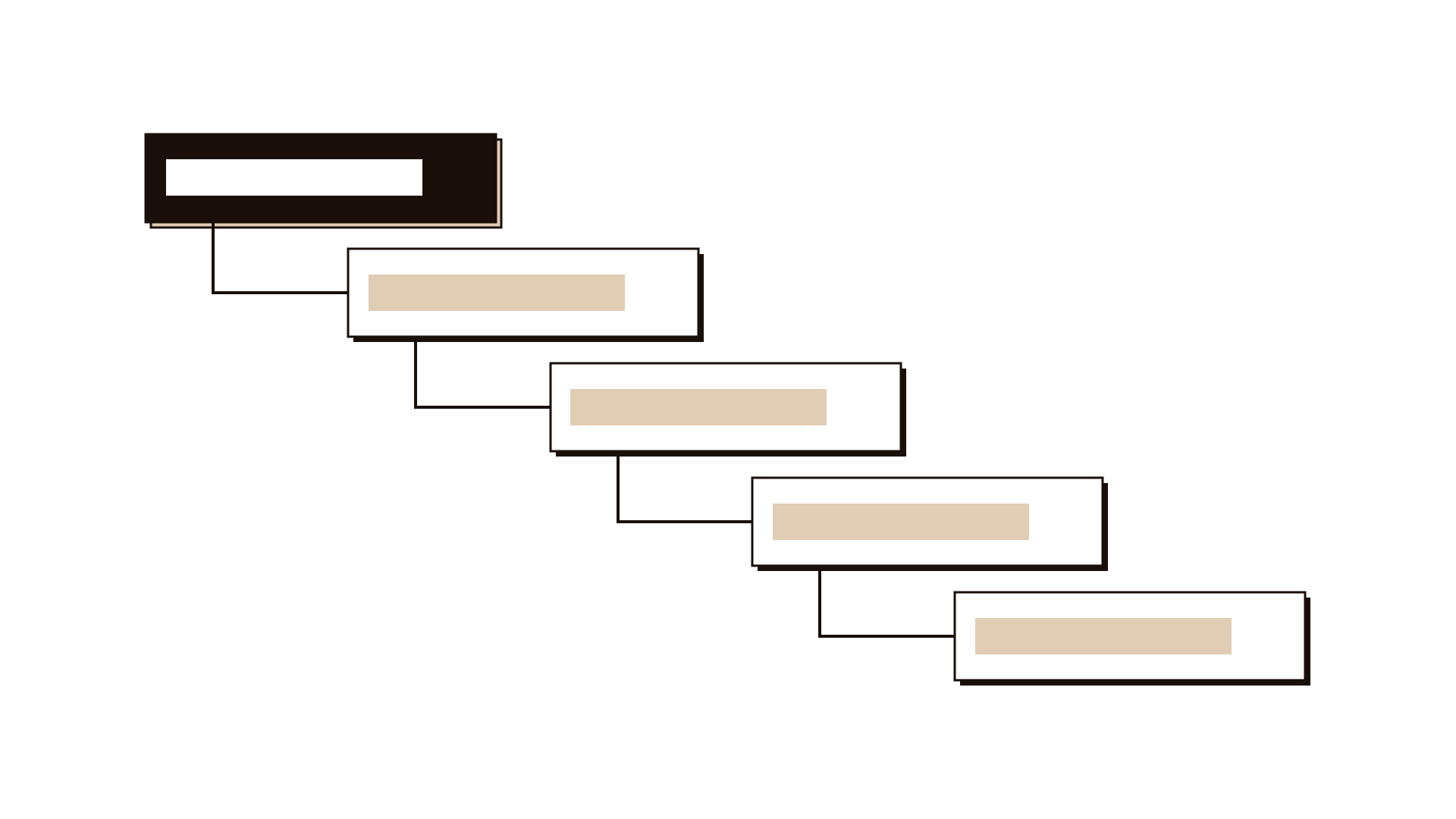
A strategic choice cascade is a way to write a strategy as five linked choices: what you aspire to, where you will focus, how you will succeed there, which capabilities you need, and which systems support them. Teams draft two or three complete cascades, name the assumptions joining each, and choose which to test first. It takes about an hour.
What it is
Many strategy documents are lists of good intentions. A choice cascade forces you to make choices that fit together. It starts with an aspiration: what winning would mean. Then it asks where you will focus, which people, places or services you will serve and which you will not. Then how you will succeed there. Then the capabilities you must be strong at, and the systems, such as processes, data and structures, that keep those capabilities working.
The value comes from comparing options. Instead of debating single ideas, the team writes two or three full cascades side by side. Each one is a coherent strategy. For each, you write down the assumption that must be true for the links to hold. The question then shifts from which option do we like to what would have to be true, and how can we test it?
When to use it
Use it when
- When leaders have competing views of strategy and the discussion keeps repeating.
- When a strategy reads like a list of priorities without clear choices.
- Before committing budget to a new direction, to see what it would really require.
- When you need to explain a strategy as a chain of reasons, not a slogan.
Skip it when
- When the decision is small and operational, such as choosing between two suppliers.
- When the team has no understanding yet of the people it serves. Research first.
You need
- Time
- 60 minutes for two or three draft cascades. Testing the assumptions takes longer and happens afterwards.
- People
- 4 to 7 people with authority over the area and someone who knows operations well.
- Materials
- A worksheet with six fields per option, a wall with two or three columns of five linked boxes, and sticky notes.
How to run it
Step 1: Agree the aspiration
Spend 10 minutes on a shared aspiration. Write it as a change in the world, such as Small food businesses in our region grow and stay safe. If you cannot agree, draft two and keep both.
Step 2: Sketch two or three options
Ask the group for genuinely different ways to pursue the aspiration. Each option starts with a different where to focus choice: a different group to serve, place to work, or kind of service. Give each a short name.
Step 3: Complete each cascade
For each option, fill in how you will succeed, the capabilities required and the systems that support them. Work top to bottom. Keep each box to one line so the chain stays readable.
Step 4: Write the joining assumptions
For every option, ask: what must be true for this chain to work? Write the two or three assumptions that join the boxes, such as home cooks will register if the process takes under a week.
Step 5: Find the hardest assumption
For each option, circle the assumption the group is least confident about and that would break the chain if wrong. This is the one to test first.
Step 6: Plan the tests
Agree what evidence would make you more or less confident, and the capability needed to run that test. Assign a role to each test and a date to return. The choice between options is made after the evidence comes back.
Worked example
A regional food safety authority wanted a new strategy for supporting small food businesses. Six people, including the director, two inspectors and the head of licensing, drafted cascades in an hour.
The aspiration was: small food businesses in the region grow and serve safe food.
Option one, called Licensed Kitchens, focused on home cooks selling online. They would succeed by offering a fast, guided licence. Capabilities were simple digital licensing and remote inspection. Systems included a photo-based kitchen check.
Option two, called Street Partners, focused on small shops in older districts. They would succeed through regular advisory visits. Capabilities were trained advisors and good local relationships; systems included a visit schedule and a shared case record.
For Licensed Kitchens, the hardest assumption was that a photo check could find the main safety risks. For Street Partners, it was that shop owners would welcome advisors who also hold inspection powers.
The team planned two small tests: a photo check with 15 home kitchens compared against a site visit, and eight advisory visits with a short follow-up conversation. They agreed to choose after both results came back in six weeks.
IllustrativeTips and mistakes
Tips
- Make the options truly different. Two versions of the same idea give you nothing to compare.
- Include where you will not focus. Saying no is what makes a strategy a choice.
- Keep every box to one line. Long paragraphs hide whether the links really hold.
- Write assumptions as testable sentences, with something you could observe.
Common mistakes
- Filling the cascade with current activities rather than choices.
- Skipping systems, so the strategy depends on heroic effort rather than everyday processes.
- Picking the favourite option before writing the assumptions.
- Testing the easiest assumption instead of the one that would break the chain.
What you walk away with
You leave with two or three complete strategic options, each written as a chain of five choices, with the assumptions that join them and a plan to test the hardest one in each. Use assumption mapping to sort the full list of assumptions, and a hypothesis test to run the first experiment. Once an option is chosen, turn it into a one-page plan with OGSM.
Questions people ask
What are the five choices in a strategic choice cascade?
Aspiration, where to focus, how to succeed, the capabilities you need, and the systems that support them. Each choice must fit the ones above and below it.
How many options should we compare?
Two or three. One option leaves nothing to compare. More than three usually becomes hard to complete well in an hour.
How is this different from a SWOT analysis?
SWOT describes your situation. A choice cascade describes what you will do about it, as a set of connected choices, and names what must be true for those choices to work.
Tool card
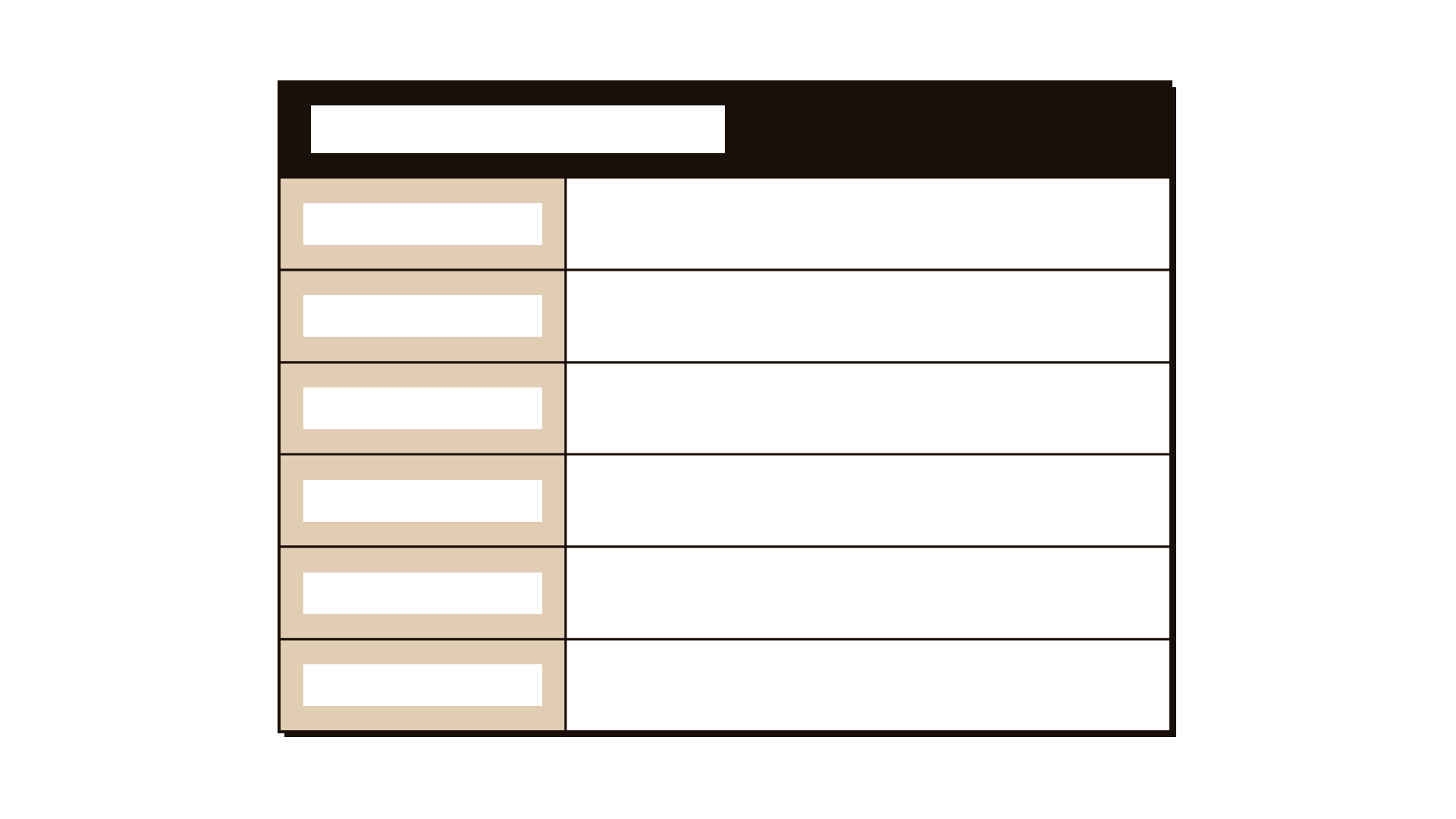
The worksheet your team fills in, one box per field.
- Aspiration
- Where to focus
- How to succeed
- Capability
- System
- Assumption