
Stakeholder communication plan
Work out what each group actually needs to know, send the least that does the job, and check that it arrived and made sense.
- Time
- 30 min
- People
- 3–6
- Kind of work
- Plan · Scale

In short
A stakeholder communication plan is a short table that sets, for each audience affected by a change, what they need to know, the message, the channel, the owner who sends it, and how you will review whether it worked. You start from information needs, choose the minimum useful communication, and build in a feedback check.
What it is
When a service changes, many people need to hear about it: the public, frontline staff, partner agencies, leaders, sometimes the media. Each group needs something different, at a different time, in a different form. A stakeholder communication plan lays this out in one table so nothing important is missed and nobody is flooded with messages they do not need.
The plan starts from needs. Instead of asking "what shall we announce?", you ask "what does this group need to know or do, and by when?" Then you choose the smallest communication that meets that need. The last column, Review, is what separates a plan from a mailing list: it says how you will find out whether the message landed.
When to use it
Use it when
- You are about to change a service that people already use, such as hours, location, forms or fees.
- A rollout involves several groups who each need to act at different times.
- Past changes caused confusion because staff heard about them from the public.
- Your RACI lists informed roles and you need to make sure they actually get informed.
Skip it when
- You still do not know who is affected; build a stakeholder map first.
- The change is tiny and affects one small team; a direct conversation is enough.
- The decision itself is still open; communicating it early creates rumours and rework.
You need
- Time
- About 30 minutes to draft, plus short reviews at agreed points after the change.
- People
- Three to six people: the service owner, someone close to frontline staff, a communications colleague and, ideally, someone who understands the public's view.
- Materials
- Your stakeholder map or list; the worksheet with Audience, Need, Message, Channel, Owner and Review; key dates from the roadmap or rollout checklist.
How to run it
Step 1: List the audiences
From your stakeholder map, list every group affected by the change. Be specific: "evening visitors to the north centre" is more useful than "the public". Frontline staff almost always need their own row, and they should hear before the public.
Step 2: Write each group's need
For each audience, write what they need to know or do, and by when. For example: "Know the new Thursday hours before their next visit." If you cannot name a real need, the group probably does not need a message.
Step 3: Draft the message in one or two lines
Write the core message as the audience would want to hear it: what changes, when, what they should do and where to get help. Keep it plain. Longer content can sit behind it on a page, but the core should fit on a sign.
Step 4: Choose the minimum useful channel
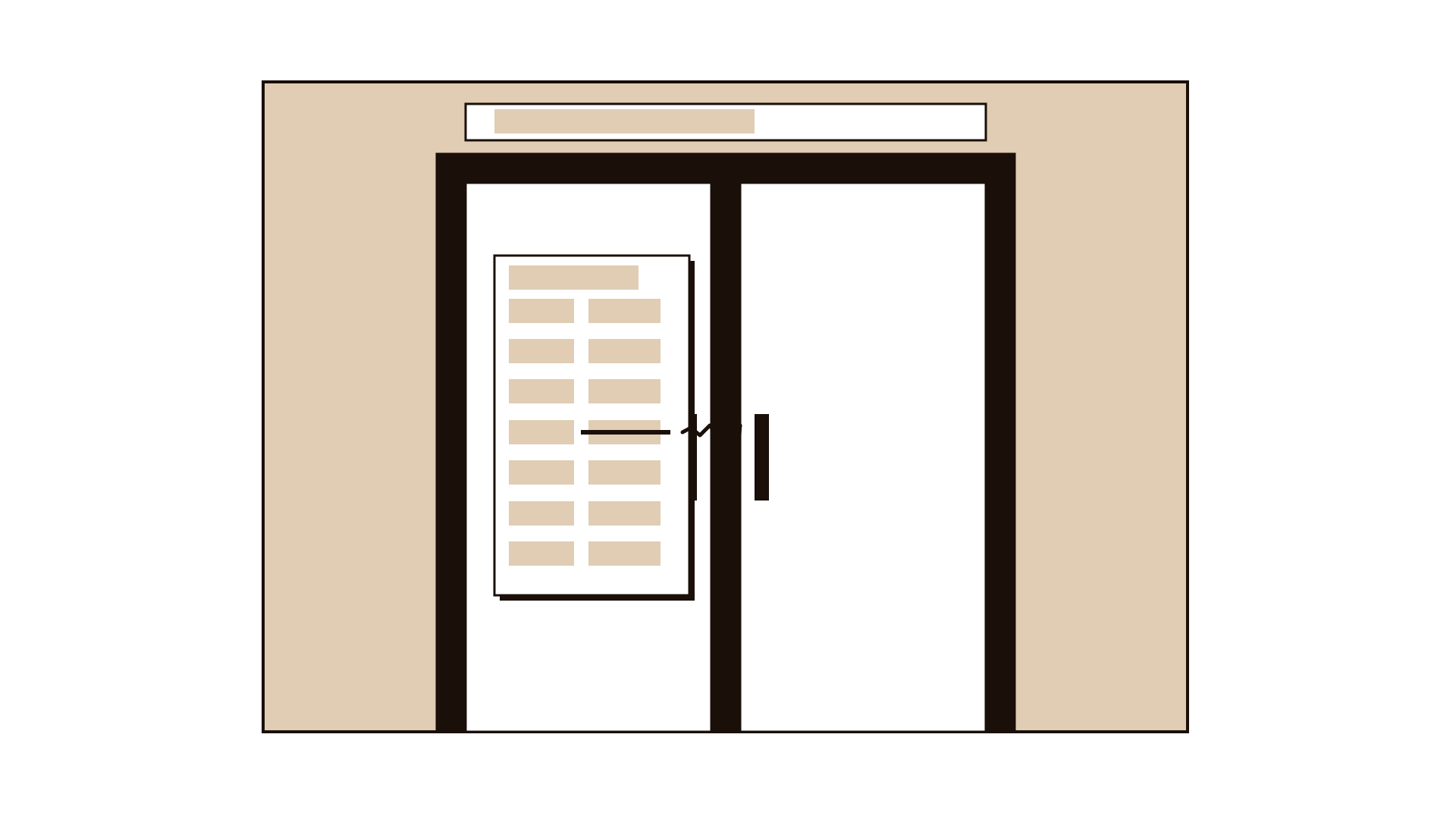
Pick the channel the audience already uses and trusts: a sign on the door, a text message to booked visitors, a team briefing, a partner email. One channel that reaches people beats five that do not. Add a second only where the first will miss a significant group.
Step 5: Assign an owner and a date
Name the role that sends each message and when. Owners should be close to the audience, such as a centre manager for visitors and a team lead for staff. Put the dates in the same calendar as the rollout.
Step 6: Plan the review
For each row, write how you will know it worked: fewer calls about the change, staff answering questions correctly, visitors arriving at the right time. Agree when you will check, such as one week and one month after the change.
Step 7: Run, check and adjust
Send the messages, then do the reviews you planned. If a group still did not get the message, change the channel or wording and note what you learned for next time.
Worked example
A government service centre was changing its Thursday opening hours from a late evening shift to an earlier morning one, to match staff rotas. Previous changes had led to a pile of announcements, a press release, posters and several emails, and visitors still arrived at the old times.
The team listed five audiences: centre staff, people with Thursday evening appointments, regular walk-in visitors, the call centre, and two partner offices that referred people to the centre.
For booked visitors, the need was to know their appointment had moved and how to rebook. The message was two lines, sent by text message from the booking system ten days ahead and again two days ahead.
For walk-in visitors, the team chose a sign on the centre door, with the old hours struck through and the new hours below, put up three weeks in advance. One single-page notice for the call centre and partner offices replaced the four separate emails used before.
The review checked calls about opening hours and visitors arriving after closing. After one month both had fallen sharply, while the late evening arrivals had almost stopped. The team kept the one-page format for future changes.
IllustrativeTips and mistakes
Tips
- Tell staff first, so they can answer questions when the public hears.
- Test the core message on two or three people from the audience before sending it widely.
- Use the same words for the change everywhere, so people recognise it across channels.
- Put the review dates in the calendar when you write the plan, or they will be forgotten.
Common mistakes
- Starting from channels, which produces many announcements and little understanding.
- Sending one message to everyone, so each group has to work out what applies to them.
- Forgetting frontline staff and partners, who then hear about the change from the public.
- Treating the job as done once messages are sent, without checking that anyone understood them.
What you walk away with
You leave with a one-page table that says, for each affected group, what they need, what you will tell them, how, who sends it and how you will know it worked. That reduces confusion, repeat calls and frustrated staff. Use a stakeholder map to check you have not missed anyone, and link the dates to your rollout checklist so communication is treated as a readiness condition rather than an afterthought.
Questions people ask
What should a stakeholder communication plan include?
At minimum: each audience, what they need to know or do, the core message, the channel, the role that sends it, the timing and how you will review whether it worked. Keep it to one page so people actually use it.
How is a communication plan different from a stakeholder map?
A stakeholder map shows who is affected and how much influence or interest they have. A communication plan takes those groups and decides what each one is told, when and how. Map first, then plan.
How do I know if my stakeholder communication worked?
Decide in advance what you would see if it worked: fewer calls about the change, people arriving at the right time, staff giving correct answers. Check those signs at agreed dates after the change, and adjust the channel or message if a group was missed.
Tool card
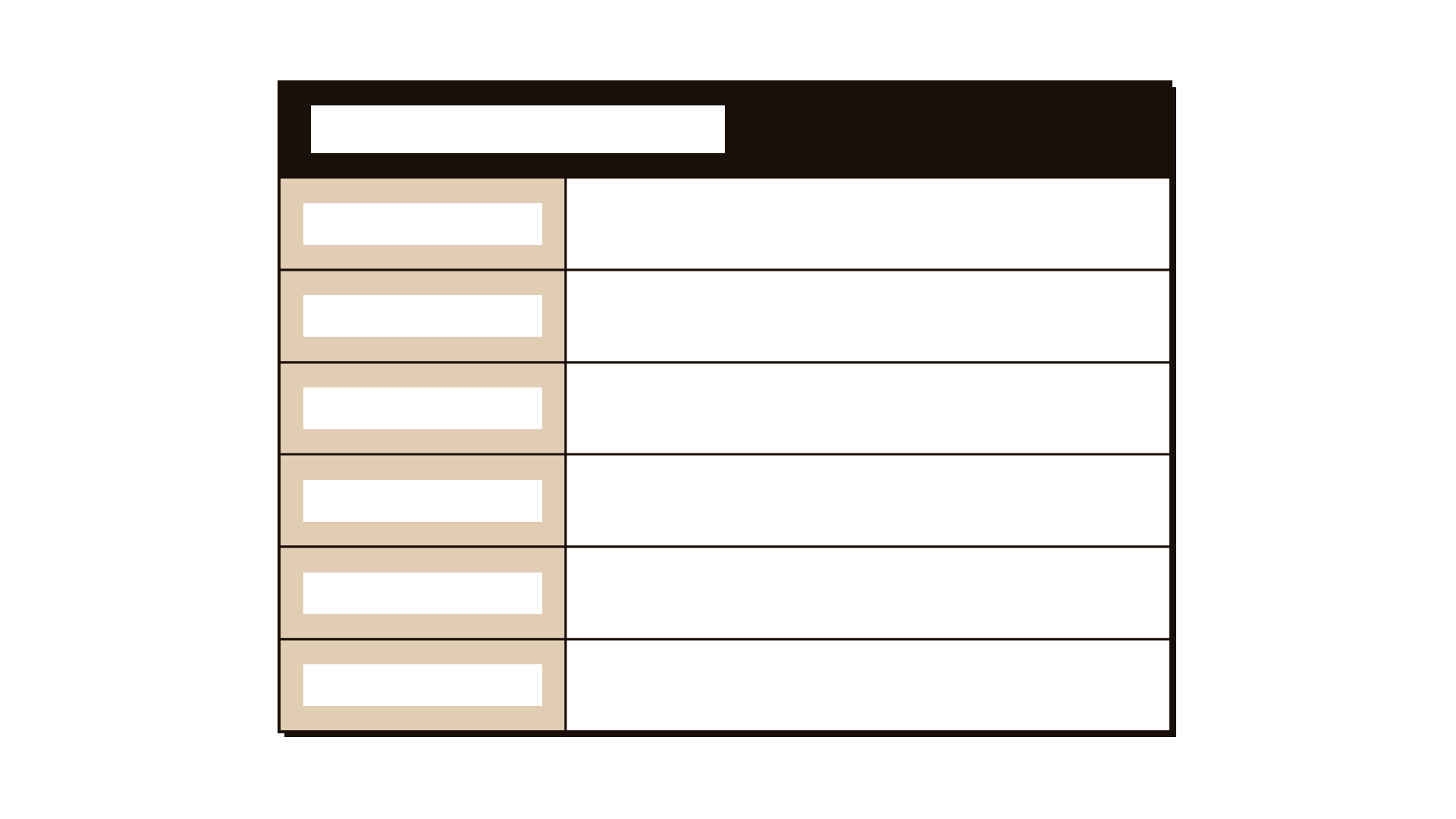
The worksheet your team fills in, one box per field.
- Audience
- Need
- Message
- Channel
- Owner
- Review