
Stakeholder map
List everyone who affects or is affected by the work, note what they care about and how much they can shape it, and decide when you will next speak to each.
- Time
- 30 min
- People
- 3–6
- Kind of work
- Understand · Plan

In short
A stakeholder map is a structured list or grid of every person and group who affects or is affected by a project. For each one you record their interest, their influence, the evidence behind that view and your next contact. A team can draft one in about 30 minutes and use it to plan who to involve, and when.
What it is
A stakeholder map answers a simple question: who has a stake in this work, and what do we know about them? You list individuals and groups, from the minister's office to the residents on one street, and for each you write what they care about (interest), how much they can shape or block the outcome (influence), what tells you so (evidence) and when you will next speak to them (next contact).
The map is most useful early, while it can still change who is in the room. Teams tend to remember the powerful and the vocal and forget the quiet groups who live with the result: night-shift staff, contractors, families, people who use the service rarely. Writing everyone down, and tying every judgement to evidence, makes those gaps visible. The next-contact column turns the map from a picture into a plan.
When to use it
Use it when
- At the start of a project, to decide whose views you need before defining the problem.
- Before a change that crosses several departments or partners.
- When a project has stalled and you suspect someone important was never consulted.
- When planning research, to make sure your interview list covers every group.
- Before writing a communication plan, so every message has a clear audience.
Skip it when
- As a way to label people as allies or enemies. The map records interests and influence, not loyalty.
- When the work is small and involves one team only. A short conversation will do.
- As a substitute for talking to people. A map built only from desk guesses needs checking with the people on it.
You need
- Time
- About 30 minutes for a first draft, then a short review every few weeks.
- People
- Three to six people who know the project and its surroundings, ideally from different teams.
- Materials
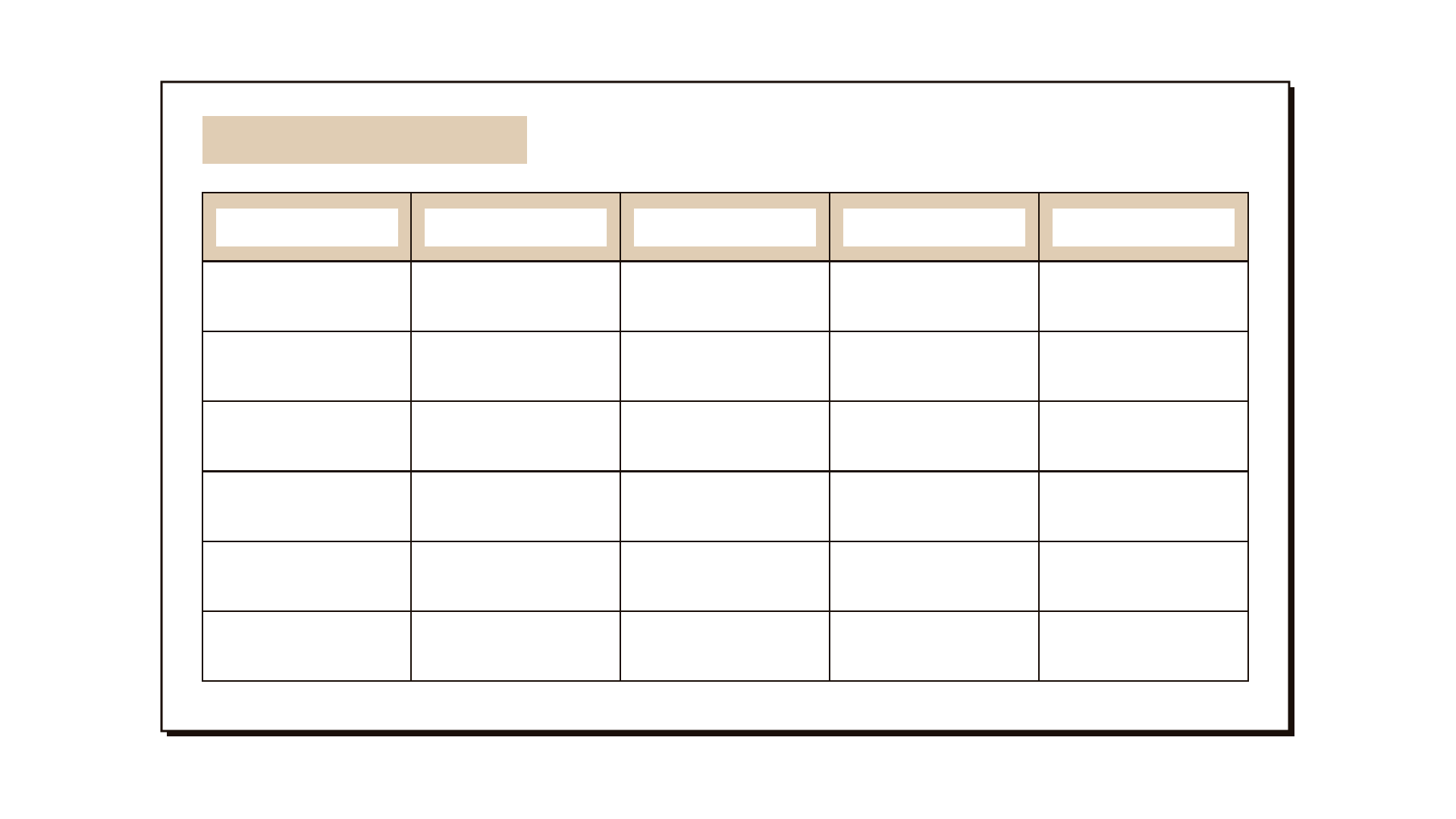
- The five-column worksheet (or a large sheet ruled into five columns), sticky notes and markers.
How to run it
Step 1: Name the work in one sentence
Write what the project will change, for example: bringing fibre broadband to an older residential district within nine months. Everyone mapping needs the same sentence in front of them.
Step 2: List every stakeholder
Spend ten minutes writing one stakeholder per sticky note, silently. Think in rings: the people who decide, the people who deliver, the people who use or live with the result, and the people who regulate or can object. Aim for 15 to 30 names or groups.
Step 3: Write each one's interest
For each stakeholder, write what they care about in this project in their terms: fewer road closures, a safe worksite, faster speeds, a clean permit file. If you do not know, write unknown. Unknowns are useful.
Step 4: Judge influence, with evidence
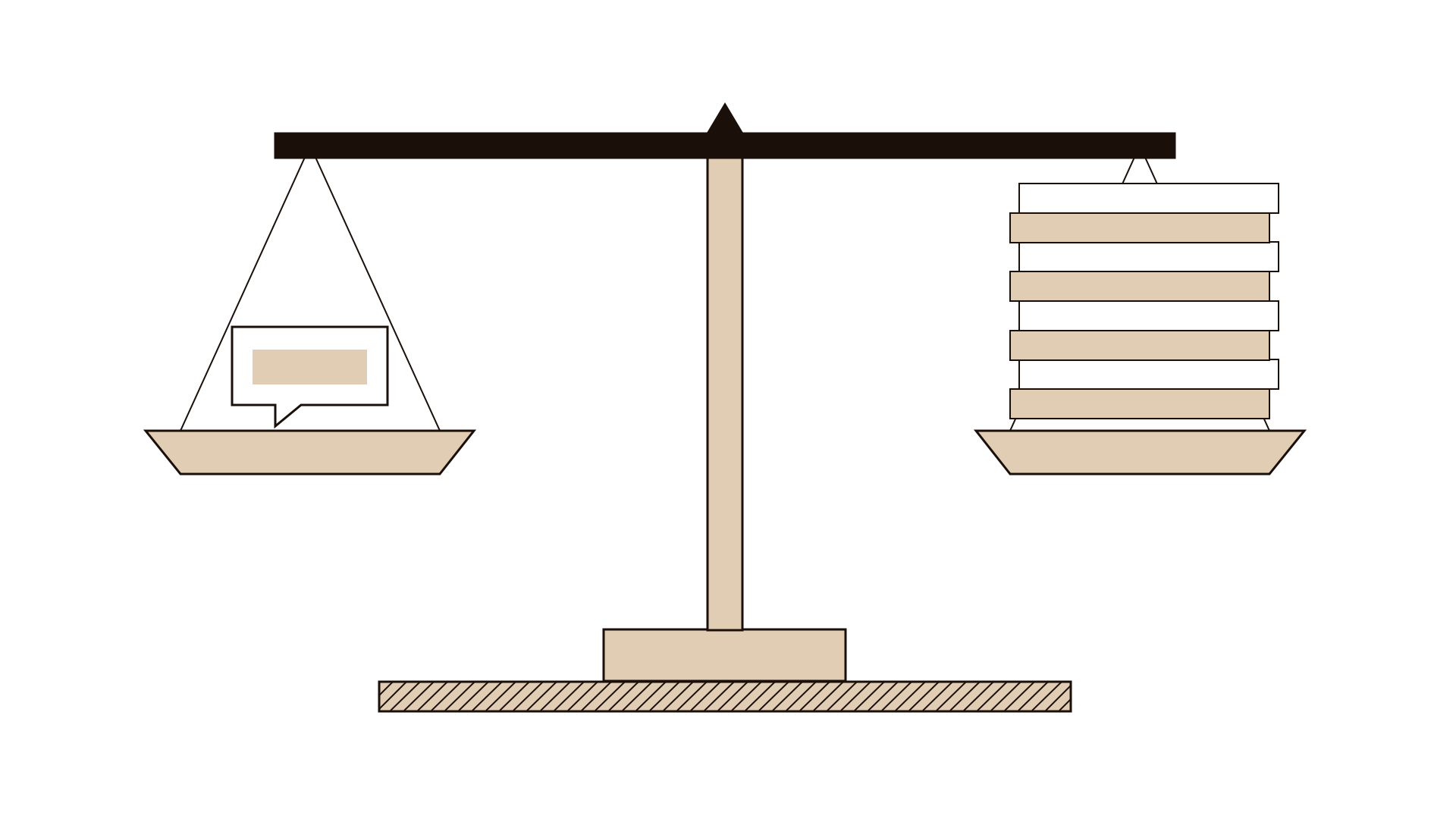
Note how much each stakeholder can shape or stop the outcome: high, medium or low. Next to it, write the Evidence for that judgement, such as signs the permits, chairs the residents' committee, or raised a formal complaint last year.
Step 5: Look for the gaps
Step back and ask: who has high interest and no voice yet? Whose influence rests on a guess? Which group did nobody think of until now? Mark these clearly.
Step 6: Set the next contact
For every stakeholder, write who on the team will speak to them, how and by when. High-interest, low-voice groups often deserve the earliest contact.
Step 7: Keep it live
Review the map every two to four weeks, or after any major meeting. Update interests and evidence as you learn more, and move people as their influence changes.
Worked example
A telecom operator plans to lay fibre broadband in an older residential district. The project team has spoken mainly to the municipality and two contractors. Work has already slipped by a month.
Five team members spend ten minutes listing stakeholders silently and come up with 24 notes. Alongside the municipality and the contractors, they add residents on affected streets, the mosque committee, shop owners, the traffic department, school transport operators and the operator's own field crews.
Writing interests, they realise they do not know what shop owners care about. One team member recalls a shop owner asking whether digging would block parking during the busy evening hours. That goes in Interest, and the source goes in Evidence.
The traffic department gets high influence. The evidence is clear: it must approve every road closure. Yet the next-contact column is empty. No one has spoken to it directly; the contractors assumed the municipality would.
The team sets three next contacts for the coming week: the traffic department, the residents' committee and a sample of shop owners. Two weeks later, the closure schedule is agreed and the month's delay begins to come back.
IllustrativeTips and mistakes
Tips
- List silently first, then share. Group discussion too early narrows the list to the usual names.
- Name groups specifically. Residents of the three streets being dug is more useful than the community.
- Treat unknown as an action, not a failure. Each unknown is a conversation to plan.
- Include internal stakeholders such as finance, legal and front-line teams.
- Keep the map where the team can see it, not in a file nobody opens.
Common mistakes
- Mapping only the powerful. Low-influence groups often carry the result and can still delay it.
- Judging influence without evidence, which turns the map into office politics.
- Building the map once and never updating it.
- Leaving the next-contact column blank, so the map never turns into action.
What you walk away with
You leave with a single view of everyone who matters to the work, what each cares about, how much each can shape it, the evidence behind those judgements and a named next contact for each. Next, use stakeholder interviews with the groups you know least about, and turn the next contacts into a stakeholder communication plan. When roles start to blur, a RACI chart helps make them explicit.
Questions people ask
What is the difference between a stakeholder map and a stakeholder analysis?
They overlap. A stakeholder analysis is the thinking about who matters and why. The map is the visible result, a list or grid your team can see, check and update.
Should I use a power-interest grid?
A two-by-two grid of influence and interest is a common way to draw the map, and it works well for a quick view. Keep the evidence and next-contact columns alongside it so the grid does not rest on impressions.
How often should a stakeholder map be updated?
Every two to four weeks on an active project, and after any big meeting, decision or complaint. A map more than a month old usually misses someone.
Tool card
The worksheet your team fills in, one box per field.
- Stakeholder
- Interest
- Influence
- Evidence
- Next contact