
Brainwriting
Write ideas in silence, pass them on for others to extend, and keep the alternatives before you choose.
- Time
- 30 min
- People
- 4–8
- Kind of work
- Generate

In short
Brainwriting is a silent way to generate ideas. Each person writes a few ideas on a sheet, passes it to a neighbour who builds on them, and the sheets keep moving for several rounds. You then read everything, group similar ideas and keep the range of alternatives before selecting. It usually takes about 30 minutes.
What it is
In an ordinary brainstorm, one person talks at a time. The first ideas spoken shape everything after them, and confident voices take most of the airtime. Brainwriting changes the rules. Everyone writes at once, in silence, so a group of six produces ideas six times as fast and nobody has to fight to be heard.
The second part is passing. After a few minutes each sheet moves to the next person, who reads what is there and adds to it: a variation, a combination or a new idea sparked by it. After several rounds every idea has been touched by several minds. A well-known structured version uses six people, three ideas and five-minute rounds. This worksheet keeps four fields for each idea: the idea itself, the need it answers, how others built on it, and the question you would test.
When to use it
Use it when
- Your group includes senior people whose views tend to shape the discussion.
- Some participants are shy, new, or working in a second language.
- You need a large number of ideas in a short time.
- The challenge is better described in words than drawn, such as a process, policy or message.
- You want ideas that build on each other, not separate lists from each person.
Skip it when
- The challenge has not been framed. Agree a clear how might we question first.
- The answer will be visual, such as a screen layout, where sketching methods like Crazy 8s work better.
- You need a decision in the session. Brainwriting creates options, it does not choose between them.
You need
- Time
- About 30 minutes for four rounds plus review.
- People
- 4 to 8 people. Six is a comfortable number.
- Materials
- One sheet per person with three columns or numbered rows, pens, a timer, the challenge question on the wall, and a board or wall for the final review.
How to run it
Step 1: Show the question and explain the rules
Pin the how might we question where all can see it. Explain that the session is silent, that there are no bad ideas at this point, and that everyone will build on others' writing. Ask people to write clearly so the next person can read it.
Step 2: Write the first ideas
Start a five-minute timer. Each person writes three ideas on the top row of their sheet, one per box, in a short sentence each. Encourage specific ideas, such as "text applicants a photo of the counter they need", over general ones like "better communication".
Step 3: Pass the sheet
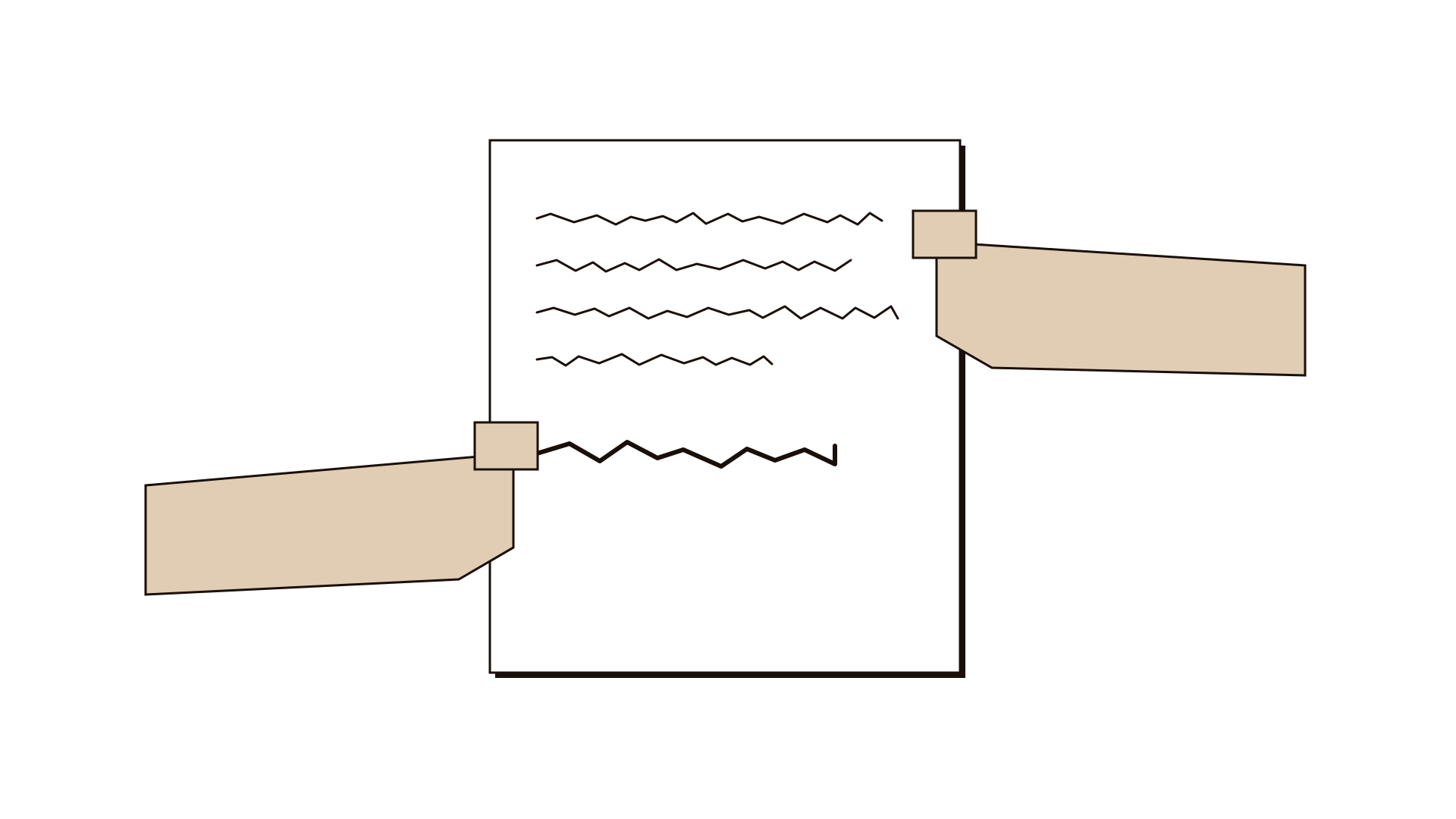
When the timer ends, everyone passes their sheet to the person on their left. In video calls, use a shared document with a numbered section per person and move down one section each round.
Step 4: Build on what you receive
Read the ideas on the sheet. On the next row, add three more. They can extend an idea above, combine two of them, take one in a different direction, or start fresh. Repeat for four to six rounds, shortening the time to four minutes once people are in the rhythm.
Step 5: Read all sheets
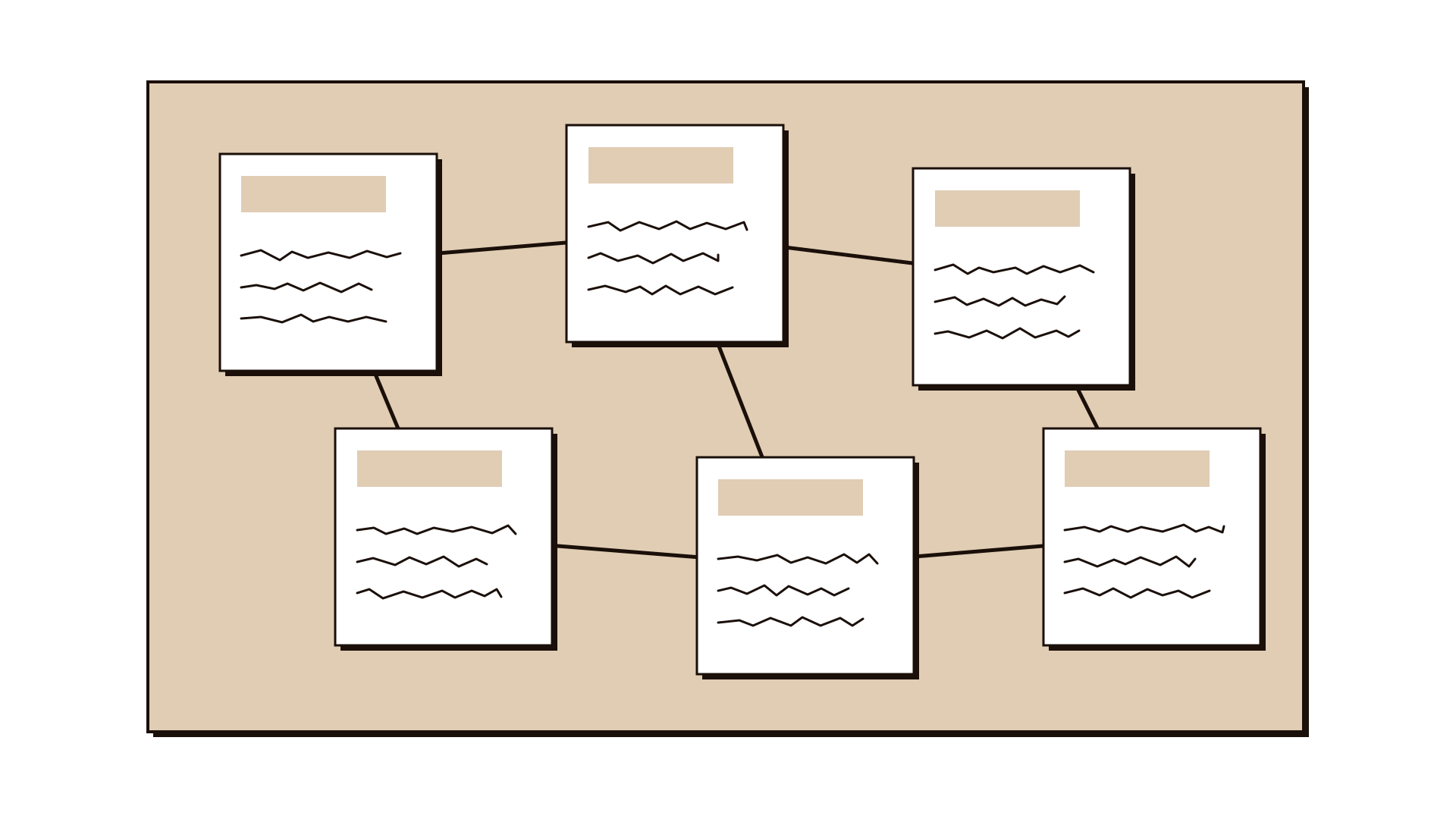
Return each sheet to its first writer or lay them out on a table. Give everyone five minutes to read every sheet silently and star ideas they find promising or surprising.
Step 6: Group and keep the alternatives
Move starred ideas onto a wall and cluster those that are similar. Name each cluster. Do not drop the odd ideas that fit nowhere. Keep them in a separate column, because they often hold the most original thinking.
Step 7: Record the strongest ideas
For the ideas the group wants to explore, fill in the worksheet: the idea, the need it answers, how it was built on, and a question you could test. Leave selection for a separate step.
Worked example
A retail bank's branch network wanted to reduce the number of older customers who visited a branch just to ask for help with the mobile app. The challenge was "How might we help customers over 60 feel confident using the app for everyday tasks?"
Six people joined: two branch advisers, a customer care agent, a product manager, a marketing officer and an area manager. The area manager had chaired the last three brainstorms on the topic.
They ran five rounds of five minutes, then four. Six sheets with three ideas per row produced 90 entries.
One adviser started with "run short app classes in branches". The next person added "classes taught by a customer's own family member". The third extended it to "a family helper mode that lets a relative see the screen during a call, with the customer's permission".
The marketing officer wrote "print the three most common tasks as a fridge card", and two later writers added large-text screenshots and a branch phone number.
After clustering, the group kept five themes and four odd ideas. The area manager said the family helper idea would not have come up in an open discussion, because the first suggestion would have shaped the rest.
IllustrativeTips and mistakes
Tips
- Keep it silent. Even friendly comments during writing pull ideas towards the speaker.
- Ask for short, specific sentences. Vague ideas are hard to build on.
- Shorten rounds as you go. People need more time at the start than later.
- Mix roles across the circle so each sheet passes through different kinds of experience.
Common mistakes
- Letting people discuss ideas between rounds, which turns it back into a brainstorm.
- Running too many rounds, so the last ones fill with repeats.
- Throwing out ideas that do not fit a cluster.
- Trying to choose a winner in the same session before the alternatives have been read properly.
What you walk away with
The team leaves with a large, readable set of ideas, many already improved by several people, grouped into themes with outliers kept to one side. The next step is to sort and choose. Affinity grouping helps if you have a very large set to cluster, and dot voting is a quick way to agree which ideas to develop first.
Questions people ask
What is the difference between brainwriting and brainstorming?
Brainstorming is spoken, so one person talks at a time and early ideas shape the rest. Brainwriting is written and silent, so everyone generates ideas at once and builds on each other's writing. Groups often get more ideas, and more varied ones, from brainwriting.
What is the 6-3-5 method?
It is a structured version of brainwriting: six people each write three ideas in five minutes, then pass their sheet. After six rounds the group has up to 108 ideas. You can change the numbers to suit your group.
Can brainwriting work online?
Yes. Use a shared document or board with a section per person. At the end of each round, everyone moves to the next section and builds on what is there. Keep cameras on and microphones muted during writing.
Tool card
The worksheet your team fills in, one box per field.
- Idea
- Need
- Build on
- Test question