
Contextual observation
Sit beside someone doing a real task in their own place of work, write down what they do without advising them, and name only the obstacles your notes can prove.
- Time
- 60 min
- People
- 2
- Kind of work
- Understand
In short
Contextual observation is a research method in which you watch a person carry out a real task in the place where it normally happens, with their consent. You record what they do, the tools around them and where they get stuck, without offering advice. A session usually lasts about an hour and reveals workarounds that interviews miss.
What it is
In contextual observation you go to the work instead of asking people to describe it. You sit next to a branch officer, a nurse or a citizen at a kiosk while they do something they would be doing anyway, and you write down what happens: each action, each screen, each pause, each note stuck to the edge of a monitor.
The value comes from the gap between what people say and what they do. Ask someone how they process a request and they will give you the official procedure. Watch them and you will see the spreadsheet they keep on the side, the colleague they call to check a code, and the paper form they fill in before typing it into the system. Those are the obstacles worth designing for.
When to use it
Use it when
- When a process looks fine on paper but takes much longer in practice.
- When people have done a task so often that they no longer notice the steps they take.
- When interviews keep producing the official version and you suspect there is another one.
- When the physical setting matters: a counter, a ward, a field visit, a shared screen.
- Before redesigning a system that staff use all day.
Skip it when
- When the task is rare or unpredictable and you could wait all day without seeing it. A diary study works better.
- When observation would breach privacy or safety, for example in a confidential consultation, unless you have proper approval.
- When you need to compare many sites quickly. Observation is deep, not wide.
You need
- Time
- About 60 minutes per session, plus 20 minutes to write up.
- People
- One observer and, ideally, a second note taker, with one person being observed at a time.
- Materials
- Consent wording, the four-field worksheet, a notebook, and permission to photograph screens or documents if that is allowed.
How to run it
Step 1: Pick a real task and a real place
Choose one task that matters to your question, such as opening a joint account at a branch counter. Arrange to observe it where it actually happens, at a time when it actually happens. A demonstration in a meeting room is not the same thing.
Step 2: Ask for consent at two levels
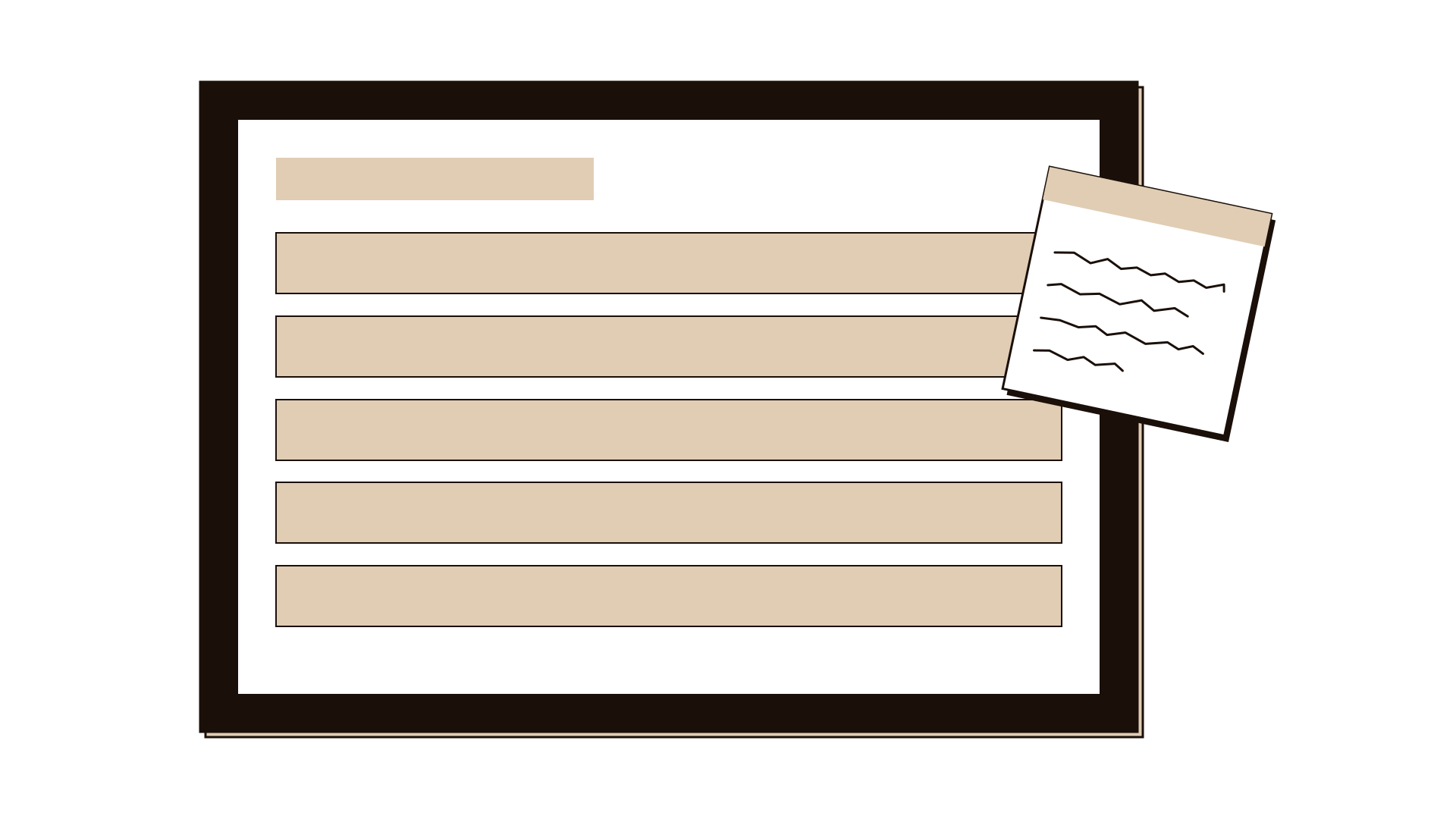
Get agreement from the person's manager to be there, and from the person themselves to be watched. Tell them you are studying the task and the tools, not their performance. Agree in advance what you will and will not photograph.
Step 3: Settle in and stay quiet
Sit where you can see the screen and the desk without blocking anything. For the first ten minutes, simply watch. People act more naturally once they have forgotten you are there.
Step 4: Record behaviour, not advice
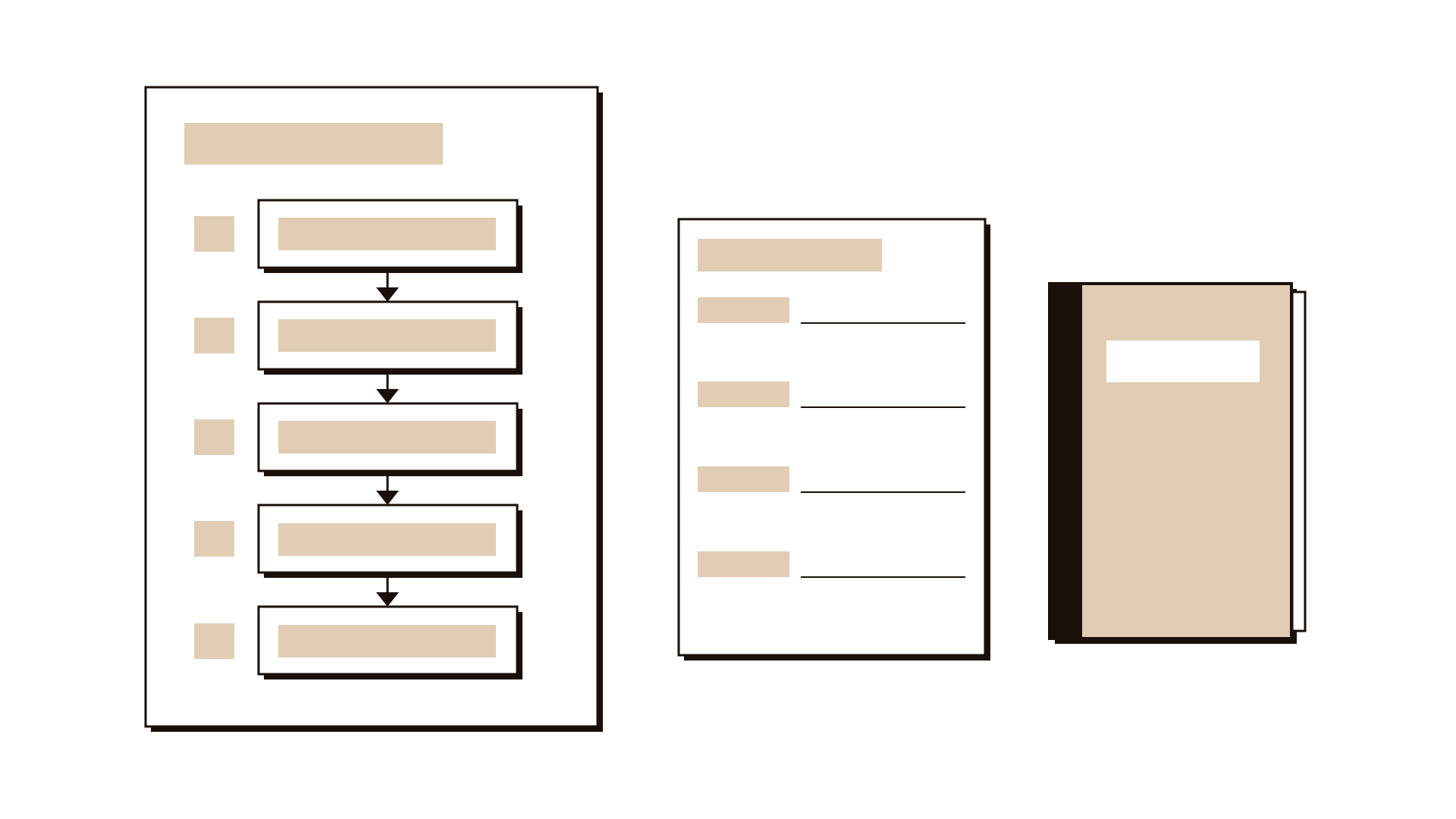
In the worksheet, write the Task, the Context (time, place, tools, interruptions) and the Observed behaviour as plain actions: opens second screen, checks printed list, calls supervisor. If you feel the urge to suggest a better way, write it on a separate page for later.
Step 5: Ask small questions at natural pauses
When the person finishes a step, ask short questions such as what were you checking there, or what is that note for? Keep them brief so you do not change how the task runs.
Step 6: Mark obstacles your notes support
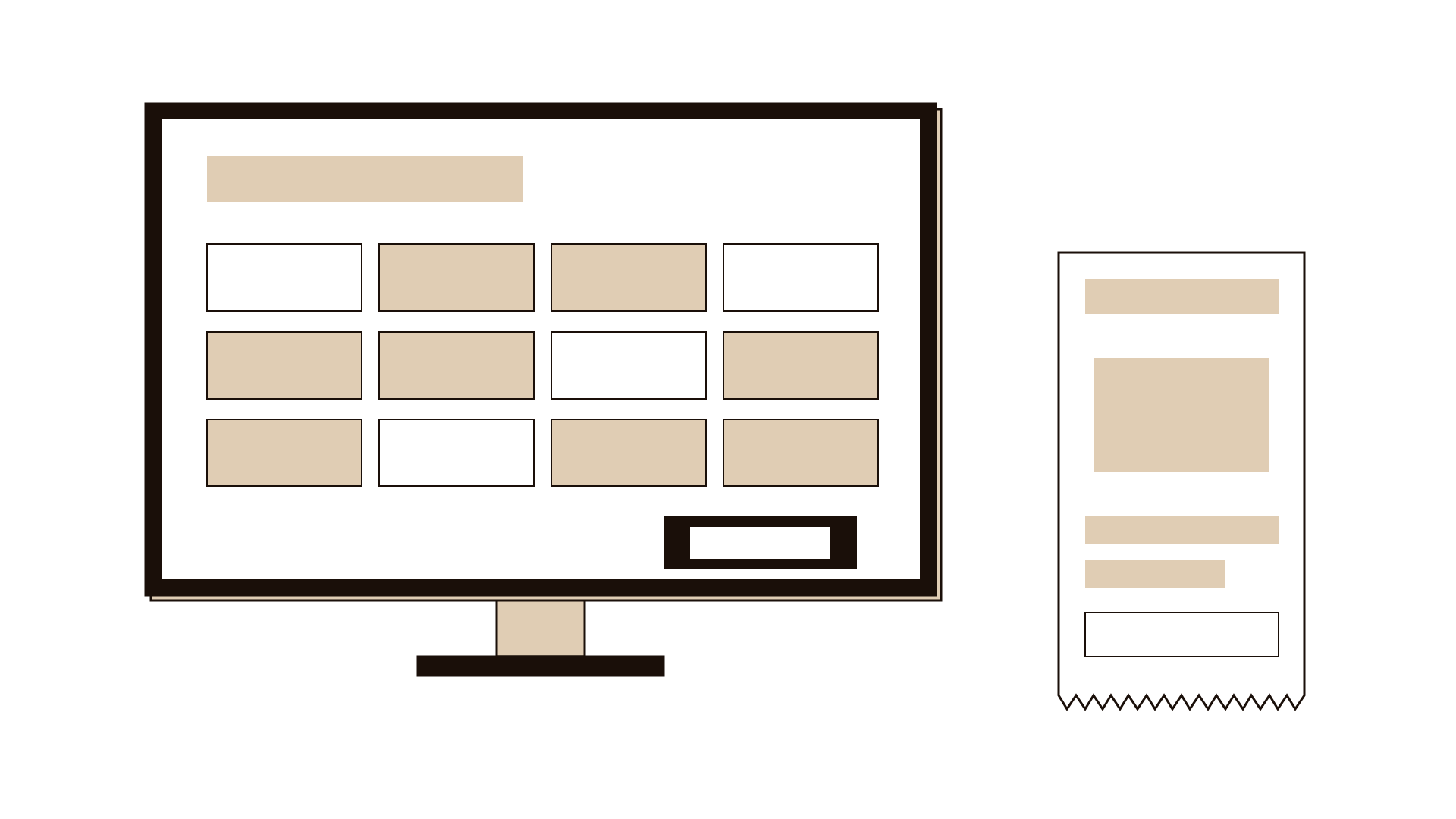
Write an Obstacle only where your notes show something slowing or blocking the task: a repeated lookup, a wait, a correction, a workaround. If you cannot point to the line in your notes, it is a guess and stays out of the field.
Step 7: Write up the same day
Within a few hours, tidy your notes into the worksheet, attach any photos, and list two or three moments you want to discuss with the team. Thank the person and tell them what happens next.
Worked example
A retail bank wants to cut the time it takes to open an account for a small business at the branch. Interviews with staff all describe a 20-minute process. The team observes four account openings across two branches.
At the first counter the officer greets the customer, takes their documents and opens the account system. The observer notes the time and the screens used. Twelve minutes in, the officer opens a second window and copies the trade licence number by hand from a scanned image.
A yellow sticky note on the monitor lists four product codes. The observer asks what it is for at the next pause. The officer says the codes in the drop-down menu do not match the product names in the brochure, so she keeps her own list.
In the third session the officer phones the back office to confirm whether a document is acceptable. The call takes six minutes on hold. The observer records the wait, the question asked and the answer given.
The real average across four openings is 41 minutes. The team writes three obstacles, each tied to notes: manual re-keying of the licence number, mismatched product codes, and document checks that need a phone call. Each one is specific enough to test and fix.
IllustrativeTips and mistakes
Tips
- Arrive early and leave late. What happens just before and after the task often explains the task.
- Note the time at every step. Durations turn impressions into evidence.
- Photograph the workarounds if permitted: the sticky note, the printed list, the spreadsheet on the side.
- Observe at least three people doing the same task, so you can tell a personal habit from a system problem.
- Pair this with a short interview afterwards to hear the reasons behind what you saw.
Common mistakes
- Helping. The moment you show a shortcut, you stop seeing the real task.
- Watching a rehearsed demonstration and treating it as normal work.
- Recording opinions such as the system is bad in place of actions such as re-keys the number from a scan.
- Forgetting consent for the customer or citizen who is also in the room.
What you walk away with
You come away with observation sheets that describe each task, the setting it happens in, what people actually did and the obstacles your notes can prove. That gives your team a factual baseline instead of the official procedure. Next, lay the observations along an experience map to see where the obstacles fall in the wider journey, or cluster them with affinity grouping when you have watched several people.
Questions people ask
Is contextual observation the same as a contextual inquiry?
They are close relatives. Contextual inquiry usually mixes observation with more active questioning, almost like an apprentice learning a job. Contextual observation keeps questions to a minimum so the task runs as it normally would.
Will people behave differently because I am watching?
A little, at first. Staying quiet, sitting out of the way and observing for a full hour reduces the effect. Watching several people also helps you spot what is performance and what is routine.
Can I do contextual observation remotely?
Yes, for screen-based work, by asking the person to share their screen while they do a real task. You will miss the desk, the paper and the interruptions, so go in person when the setting matters.
Tool card
The worksheet your team fills in, one box per field.
- Task
- Context
- Observed behaviour
- Obstacle