
Hypothesis test
Take the belief your plan leans on most, write down what would prove it wrong, and find out with the smallest test that can tell you.
- Time
- 30 min
- People
- 3–5
- Kind of work
- Test

In short
A hypothesis test is a small, planned check of one assumption your idea depends on. You state the assumption so it could be proven wrong, choose the smallest test that gives a valid answer, and write the pass criterion before you collect any results. Then you record what happened and make a decision.
What it is
Every new service or change rests on beliefs: that people want it, that they will find it, that staff can run it, that the cost is acceptable. A hypothesis test picks one of those beliefs and checks it against reality before you invest more. It is the core habit of testing ideas rather than defending them.
The discipline is in the order. You write the assumption, the test and the pass line first, and only then go and look. That order matters because once results are in, almost any outcome can be read as support. A hypothesis test can be five interviews, a landing page, a count at a counter or a one-day pilot. What makes it a test is the criterion agreed in advance.
When to use it
Use it when
- Your idea depends on a belief nobody has checked, and building it would take real time or money.
- An assumption map has shown you which belief is both important and uncertain.
- The team keeps arguing about whether something will work and needs a fair way to settle it.
- You want to learn quickly in days rather than months.
Skip it when
- The assumption is already well supported by solid evidence; move on to the next one.
- The belief cannot be wrong as written, such as "people want better services"; rewrite it first.
- The decision has already been made and will not change whatever the result; you are wasting people's time.
You need
- Time
- About 30 minutes to design the test, then hours to a few days to run it.
- People
- Three to five people who own the idea, plus whoever is needed to run the test.
- Materials
- The worksheet with Assumption, Test, Pass criterion, Observed result and Decision; your assumption list or map; any data you already have.
How to run it
Step 1: Pick the riskiest assumption
From your list or assumption map, choose the one belief that is most important to the idea and least supported by evidence. If it is false, the idea fails or changes shape. Test that one first.
Step 2: Write it so it can be wrong
Rewrite the belief as a specific, testable statement with a who, a what and a how much. "Patients want reminders" becomes "At least half of patients booked for follow-up will choose to receive a reminder by text when offered."
Step 3: Choose the smallest valid test
Ask what is the quickest, cheapest way to see real behaviour that answers this. Prefer what people do over what they say they would do. Offering a real choice to 40 patients beats a survey asking 400 people if they would like it.
Step 4: Set the pass criterion now
Write the line that counts as a pass before you start: a number, a share, or a clear behaviour. Also write what would count as a clear fail. Show it to someone who is sceptical of the idea and ask if it is fair.
Step 5: Run the test as planned
Carry out the test exactly as written. Keep notes of anything that went differently, such as fewer people than planned. Do not adjust the test halfway to get a better answer.
Step 6: Record the observed result
Write the result in plain facts and numbers next to the criterion. Note anything surprising you saw, even if it is not what you set out to test. It may be your next assumption.
Step 7: Make and write the decision
Decide: continue, change the idea, or stop. Write the decision and the reason in the last field, and name the next assumption to test. A test without a written decision is easily forgotten.
Worked example
A university's student services team wanted to replace a long queue at the start of term with booked appointments for enrolment help. The plan assumed students would book a slot in advance if one was offered.
Assumption: at least 40 percent of new students who receive an email offering an enrolment help slot will book one before arrival week.
Test: send the offer to one faculty's 300 new students with a simple booking link, a week before term. Pass criterion: 120 or more bookings. Clear fail: fewer than 60.
Result: 74 bookings, about 25 percent. Many students replied by email asking whether they could just walk in. Several said they did not yet know their timetable.
Decision: change the idea. Keep a walk-in desk, add bookable slots for the second week, and test a new assumption: that students will book once their timetable is published.
IllustrativeTips and mistakes
Tips
- Test one assumption at a time so you know what the result means.
- Prefer observed behaviour, like sign-ups or bookings, over stated intentions in surveys.
- Ask a sceptic to approve the pass criterion; it makes the result harder to argue with later.
- Keep a running log of assumptions, tests and decisions so the team can see what it has already learned.
- Celebrate a clear fail; it saved you from building the wrong thing.
Common mistakes
- Writing the pass criterion after seeing the results, so the test always passes.
- Testing an assumption that is safe or already known, while the risky one stays untouched.
- Asking people what they would do instead of giving them a real choice and watching.
- Leaving the decision field empty, so the test produces data but changes nothing.
What you walk away with
You leave with one assumption checked against reality, a result you agreed to trust in advance, and a written decision to continue, change or stop. That turns a debate into a record. Feed the result back into your assumption map to choose the next belief to test. When you have enough users and need to compare two versions at scale, move on to an A/B experiment plan; if the question is whether people will use a service at all, a concierge test is often the quickest valid test.
Questions people ask
What is a good example of a testable hypothesis?
A good hypothesis names who, what and how much, and could clearly be shown wrong. "At least 30 of 100 applicants offered online renewal will use it within a month" is testable. "Applicants prefer digital services" is not, because almost any result could be read as support.
How is a hypothesis test different from a pilot?
A pilot runs a whole service at small scale to learn how it works in practice. A hypothesis test checks one specific belief with the smallest test possible, often in days. You might run several hypothesis tests before deciding a pilot is worth it.
What if the result is somewhere between pass and fail?
That is common and still useful. Write down what you saw, decide whether the gap matters for the idea, and either redesign the test to be sharper or move forward with the risk clearly noted. Do not quietly redefine the criterion to call it a pass.
Tool card
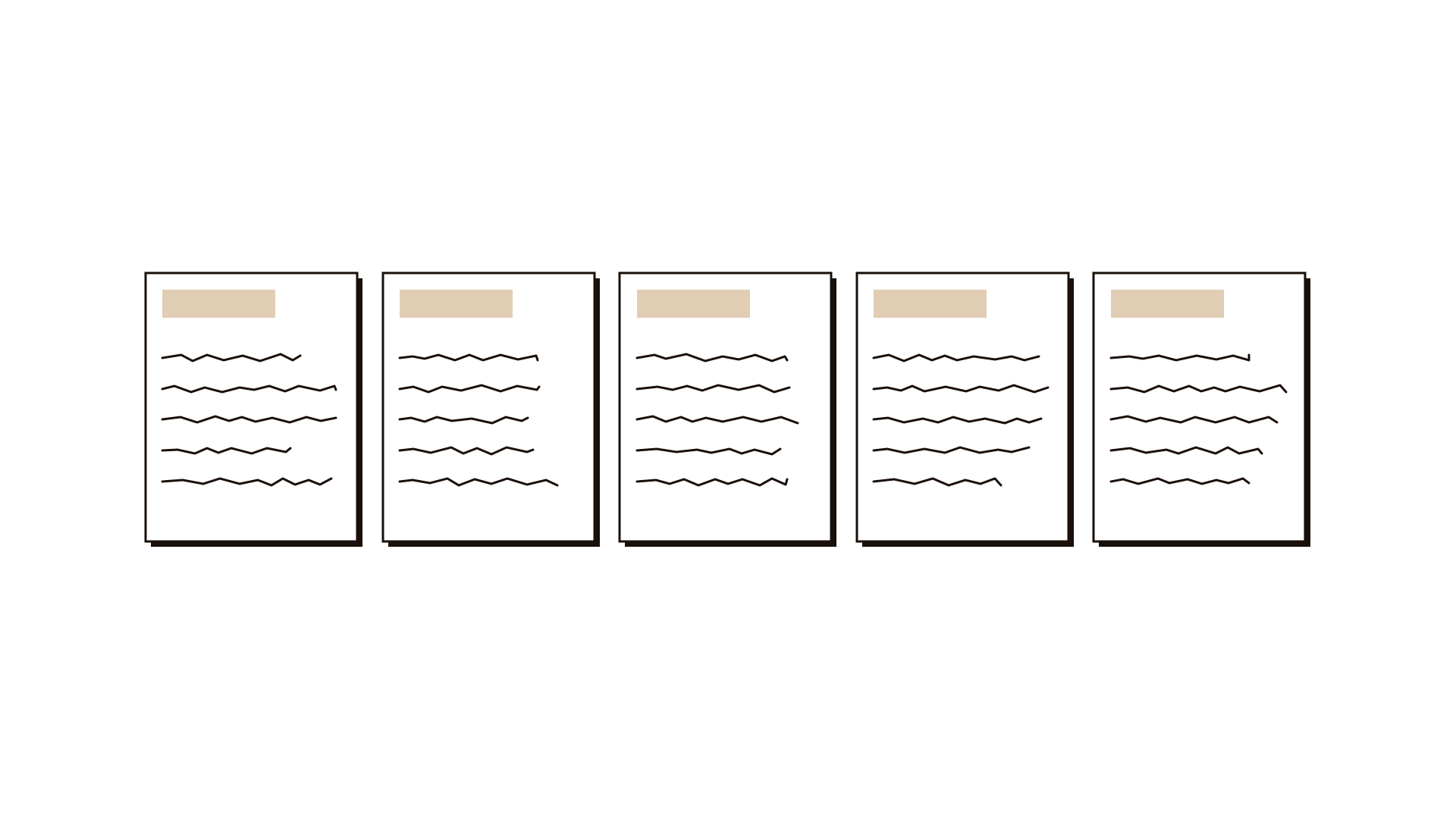
The worksheet your team fills in, one box per field.
- Assumption
- Test
- Pass criterion
- Observed result
- Decision