
Assumption mapping
List what must be true for your idea to work, then test the beliefs that matter most and are least proven.
- Time
- 40 min
- People
- 4–6
- Kind of work
- Frame · Test

In short
Assumption mapping is a team exercise that lists everything that must be true for an idea or plan to succeed, then places each assumption on a grid of importance against strength of evidence. You run it by writing assumptions as statements, sorting them together, and planning a quick test for the important ones with weak evidence.
What it is
Every plan rests on beliefs. People will want the service. Staff will have time to use it. The data exists. The budget will be approved. Most of these are never written down, so nobody checks them until something fails. Assumption mapping makes them visible and then helps you decide which ones to check first.
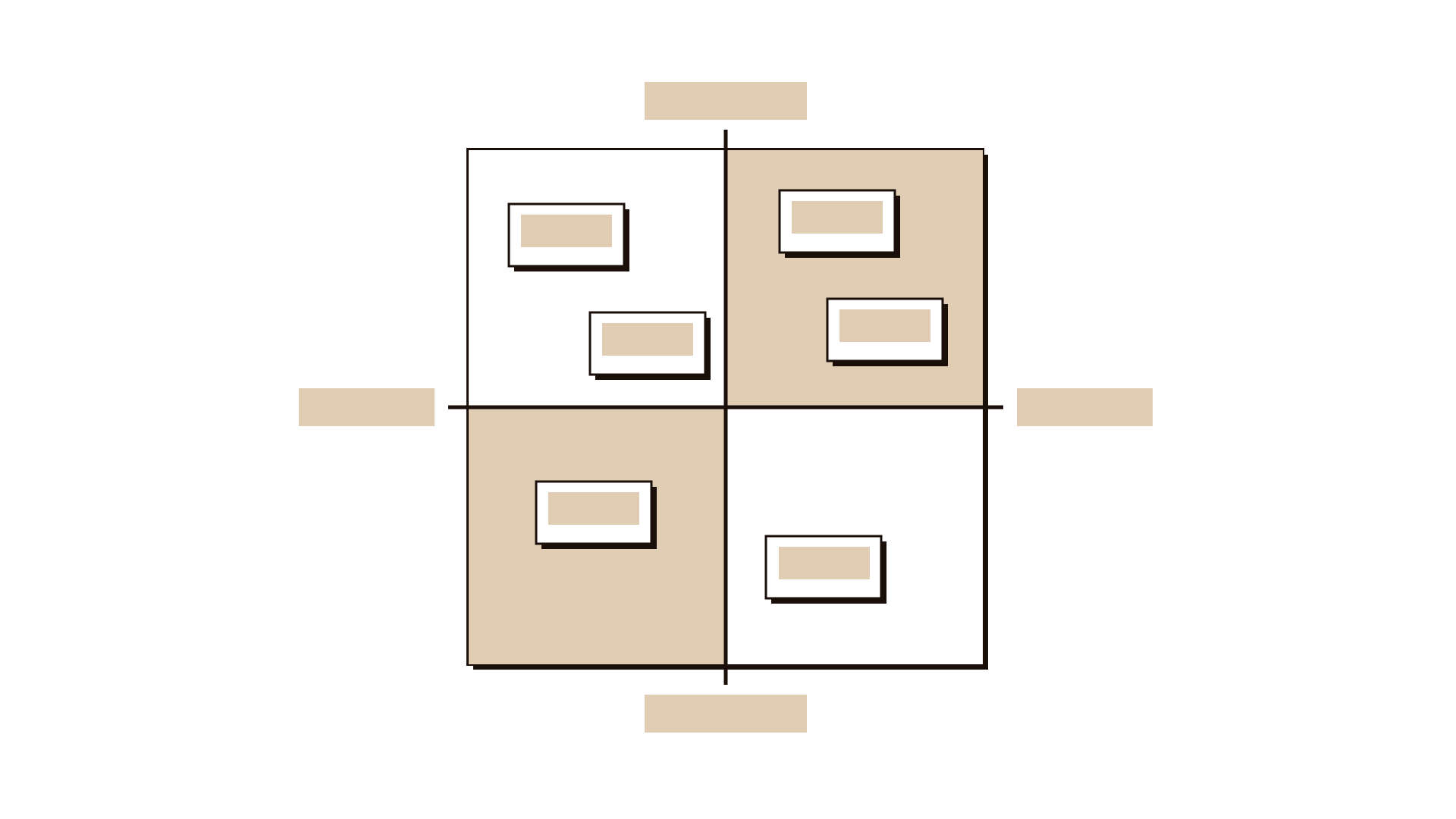
The core of the method is a simple two-axis grid. One axis is importance: if this belief turned out to be wrong, would the plan fall apart? The other is evidence: how much do we actually know? Assumptions that are very important and poorly evidenced go to the top of your test list. The approach is well known in lean and product strategy work. This worksheet records each assumption, its importance, the evidence you have, and the next test.
When to use it
Use it when
- You have a promising concept and are about to ask for budget or time to build it.
- A plan feels confident but nobody can say what it depends on.
- Different leaders disagree about a project and you want to find the real point of disagreement.
- You are choosing what to test next and want to spend effort where risk is highest.
- A pilot is starting and you need to know what it is meant to prove.
Skip it when
- The idea is still a vague direction. Frame it first, with a point of view or how might we question.
- The work is a small, cheap change you can simply try and undo.
- The decision is already locked and nothing you learn will change it.
You need
- Time
- About 40 minutes for one concept.
- People
- 4 to 6 people who see the idea from different sides, such as delivery, policy, finance and frontline.
- Materials
- A large two-axis grid on a wall or board, sticky notes in two colours, markers and a short description of the idea.
How to run it
Step 1: Describe the idea in three lines
Write a short summary of the concept everyone is mapping: who it is for, what it does and how it will be delivered. Read it out so the whole group starts from the same picture.
Step 2: List what must be true
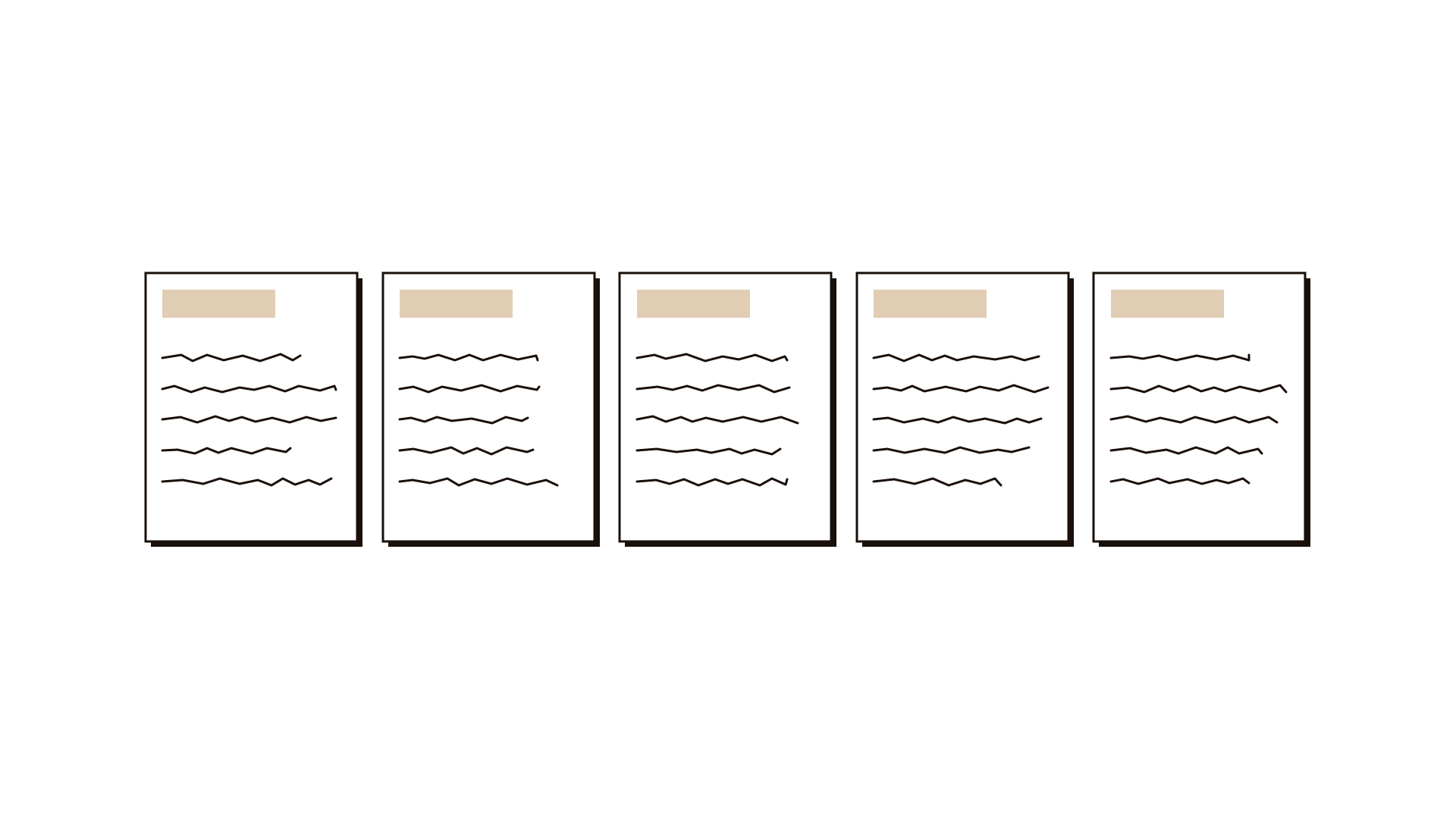
Give everyone eight minutes to write assumptions on sticky notes, one per note, as statements. "Applicants will upload documents from their phone" is a good one. Prompt for different kinds: about the people using it, about staff, about technology, about money and rules. Aim for 20 to 40 notes.
Step 3: Remove duplicates and sharpen wording
Read the notes aloud and merge any that say the same thing. Rewrite vague notes so they can be proven wrong. "People will like it" becomes "At least half of applicants will choose the online route when offered".
Step 4: Sort by importance
Draw the vertical axis and place each note by asking one question: if this were false, how badly would the plan suffer? Do this quickly and out loud. Let the person who disagrees move the note and explain why.
Step 5: Sort by evidence
Now slide each note left or right along the horizontal axis. Move it right only if someone can name actual evidence, such as data, a past pilot or research. Opinions and seniority do not count as evidence. Write the evidence on the note.
Step 6: Pick the riskiest three
Look at the corner with high importance and weak evidence. Choose the two or three notes that worry the group most. These are your leap-of-faith assumptions.
Step 7: Plan the next test for each
For each chosen assumption write the smallest test that would give you real evidence within two weeks, what result would count as support, and who will run it. Fill in the next test field on the worksheet.
Worked example
A telecom operator's customer team wanted to replace in-store SIM registration with a fully online process for new prepaid customers. The concept had leadership support, and the team was about to request build funding.
Six people met for 40 minutes: a product owner, a store manager, a compliance officer, an engineer, a customer care lead and a finance analyst.
They wrote 31 assumptions, merged them to 22, and rewrote several. "Customers can verify identity online" became "Most new prepaid customers have a national digital ID login they can use on the spot".
On the grid, the compliance rules on remote identity checks landed high on importance and right on evidence, since the officer could cite the current regulation. Phone camera quality and customers' comfort with uploading ID both landed high on importance and far left on evidence.
The team chose three assumptions to test. One test was to ask 50 customers in two stores whether they had a digital ID login with them and could use it. Another was to run a five-day concierge trial where staff walked customers through the online steps on their own phones and noted where they got stuck.
The funding request was paused for two weeks while the tests ran. The team later reported that about two thirds of customers could complete the digital ID step, which changed the plan to keep an assisted route in store.
IllustrativeTips and mistakes
Tips
- Write assumptions as statements that could turn out false. Questions and topics are hard to place.
- Use one colour for assumptions about people and another for assumptions about delivery, so gaps show at a glance.
- Ask the most sceptical person in the room to place the evidence notes. It keeps the map honest.
- Keep the map and revisit it after each test. Notes should move right as you learn.
Common mistakes
- Listing only technical assumptions and missing the ones about people's behaviour.
- Treating a senior person's confidence as evidence.
- Choosing ten assumptions to test at once, which spreads effort thin and slows learning.
- Writing a test that cannot fail, such as asking colleagues whether they like the idea.
What you walk away with
You leave with a visible map of what your plan depends on, a short list of two or three risky assumptions, and a concrete test planned for each with an owner and a date. The next step is to run those tests. A hypothesis test plan helps you set clear pass and fail criteria, and a concierge test is a fast way to check behaviour before you build anything.
Questions people ask
How long does assumption mapping take?
About 40 minutes for one idea with a group of four to six. Larger programmes with several concepts may need a session per concept.
What are the two axes on an assumption map?
The common pair is importance (how badly the plan suffers if the assumption is wrong) and evidence (how much you actually know). Some teams label the second axis certainty or known versus unknown. The idea is the same.
Assumption mapping vs premortem: what is the difference?
A premortem imagines the project has failed and works back to the causes. Assumption mapping starts from what must be true and ranks those beliefs for testing. They work well together: a premortem often surfaces assumptions you can then map.
Tool card
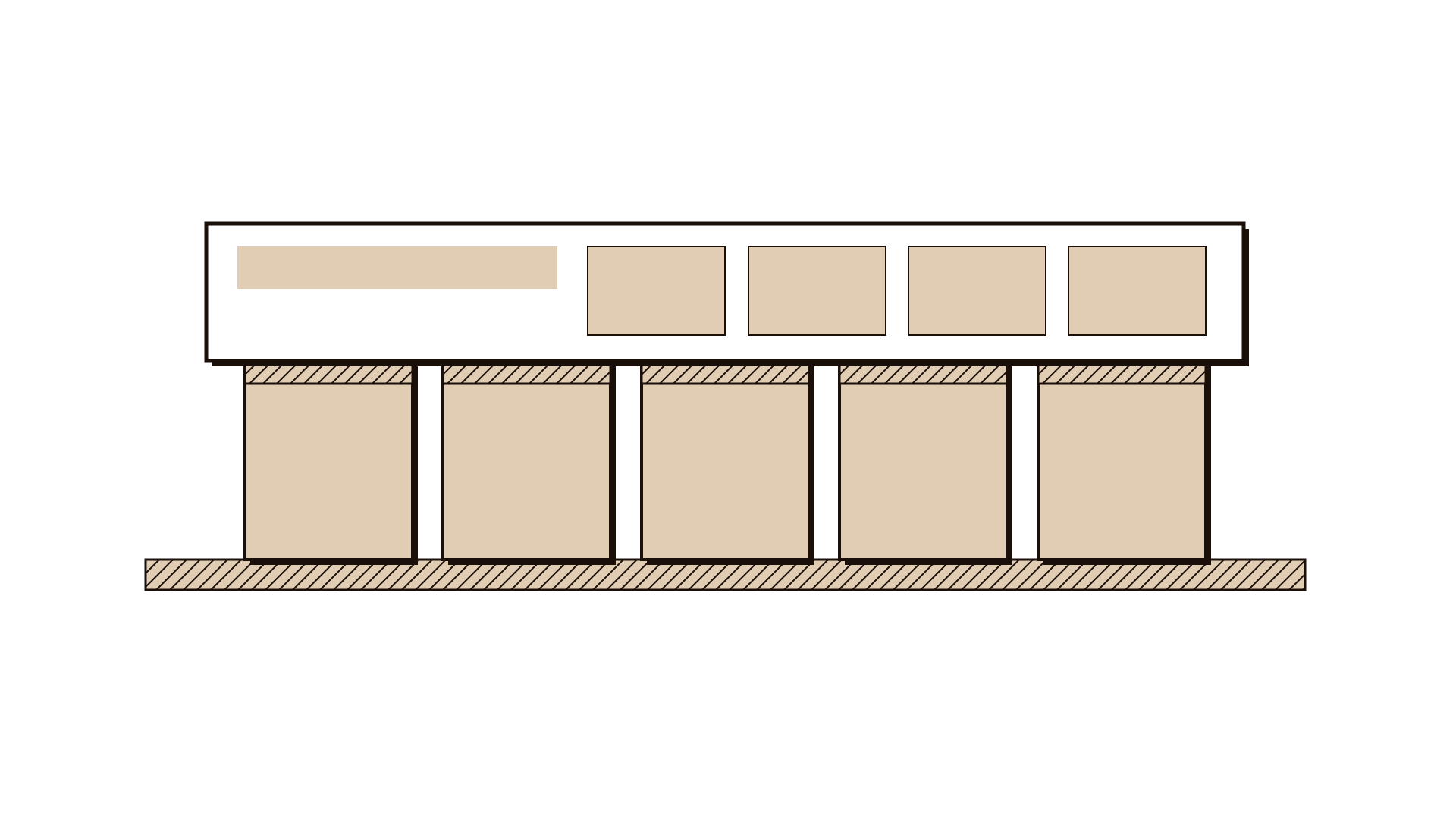
The worksheet your team fills in, one box per field.
- Assumption
- Importance
- Evidence
- Next test