
Portfolio mapping (innovation portfolio map)
Put every initiative on one map, compare them on the same scales, and leave with a clear decision for each one.
- Time
- 60 min
- People
- 5–8
- Kind of work
- Choose · Plan

In short
Portfolio mapping is a way to review all the initiatives a team or organisation is running at once. You list the real initiatives, compare each on strategic fit, risk, evidence and resource demand using scales agreed in advance, and record a decision for each: continue, change or stop. A first review takes about an hour.
What it is
Organisations rarely decide to run too many projects. They start them one by one, each for a good reason, until people are spread across fifteen pieces of work and few move quickly. A portfolio map puts every initiative on the table at the same time, so the group can see the whole load and the balance between safe bets and riskier ones.
The method is simple, but two rules make it work. First, the list must be complete and real: everything that uses people's time, not just the official projects. Second, the scales must be agreed before anyone looks at a specific initiative. That way the conversation is about the evidence for each one, and the decision at the end is about the work, never about the people running it.
When to use it
Use it when
- When teams say they are overloaded and every project is called a priority.
- At budget or planning time, to decide where people and money should go.
- When an innovation programme has many pilots and you need to decide which to scale.
- After a strategy change, to check whether current work still fits.
Skip it when
- When you only have two or three initiatives. A short conversation or a weighted decision matrix is enough.
- When the people with authority to stop work are not in the room. The map then produces opinions, not decisions.
You need
- Time
- 60 minutes for up to 15 initiatives, plus a week beforehand to gather the list and basic facts.
- People
- 5 to 8 people, including those who can make resource decisions and those who know the work.
- Materials
- One card per initiative with its facts, a large two-axis map on the wall (strategic fit against uncertainty), a worksheet with six fields, and dot stickers.
How to run it
Step 1: Collect the real list
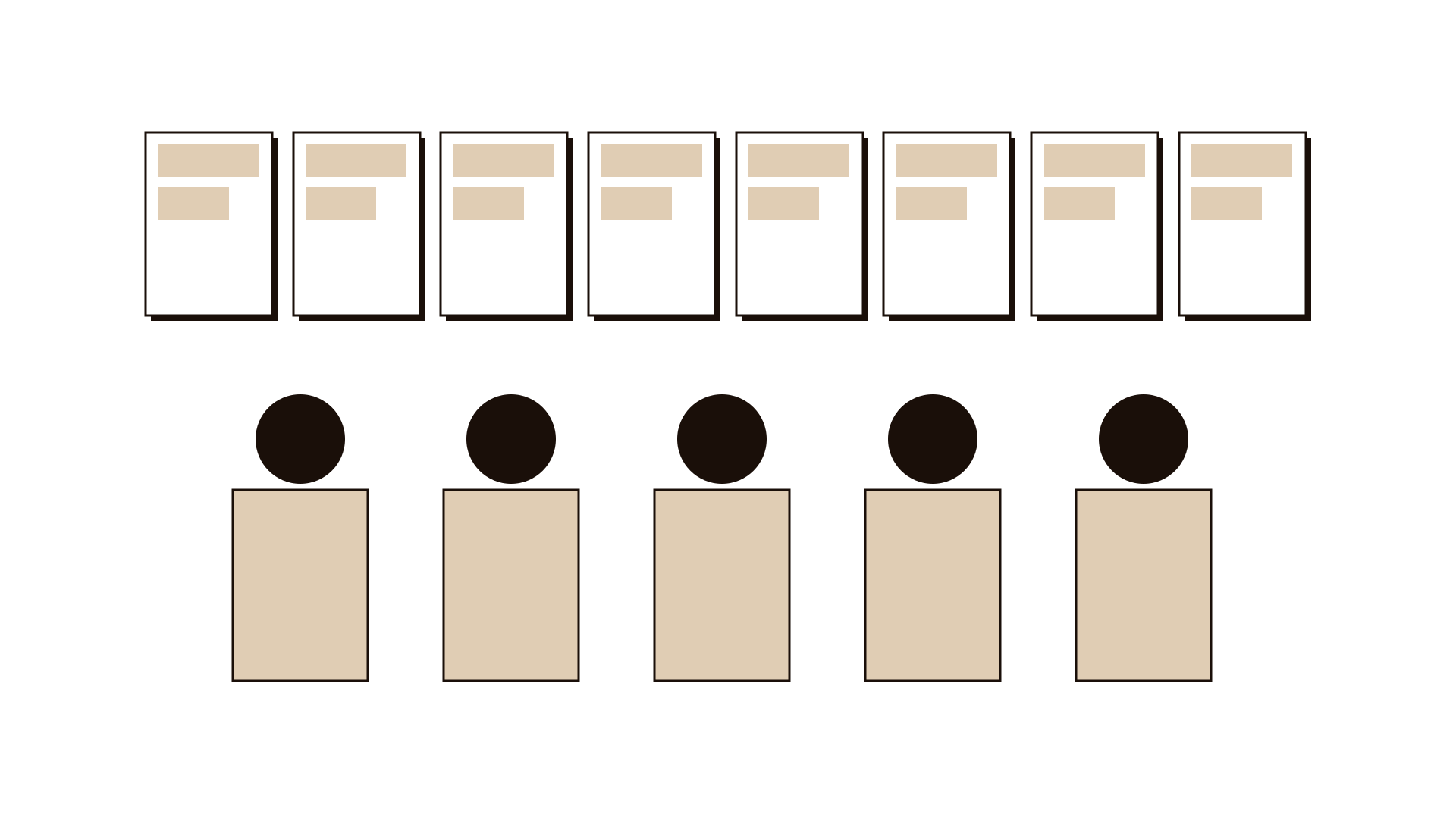
A week before, ask every team for everything they are working on that takes more than a few days a month. Put each on a card with its purpose, people involved, budget and current evidence. Expect the list to be longer than the official one.
Step 2: Agree the scales first
Before discussing any card, agree what high, medium and low mean for strategic fit, risk and resource demand. For example, high fit means it directly serves one of this year's three priorities. Write the scales on the wall.
Step 3: Place each initiative
Read each card in two minutes. Place it on the map by strategic fit and uncertainty. Note its resource demand on the card. Where people disagree, record both views and move on; you will return to them.
Step 4: Look at the whole picture
Step back. Where are initiatives clustered? Is everything low risk and low ambition? Are a few large projects taking most of the people? Write three observations about the overall balance.
Step 5: Decide continue, change or stop
For each initiative, agree one decision. Continue means as it is. Change means a specific adjustment, such as narrower scope or a test before more spending. Stop means people are released by a named date.
Step 6: Record and communicate
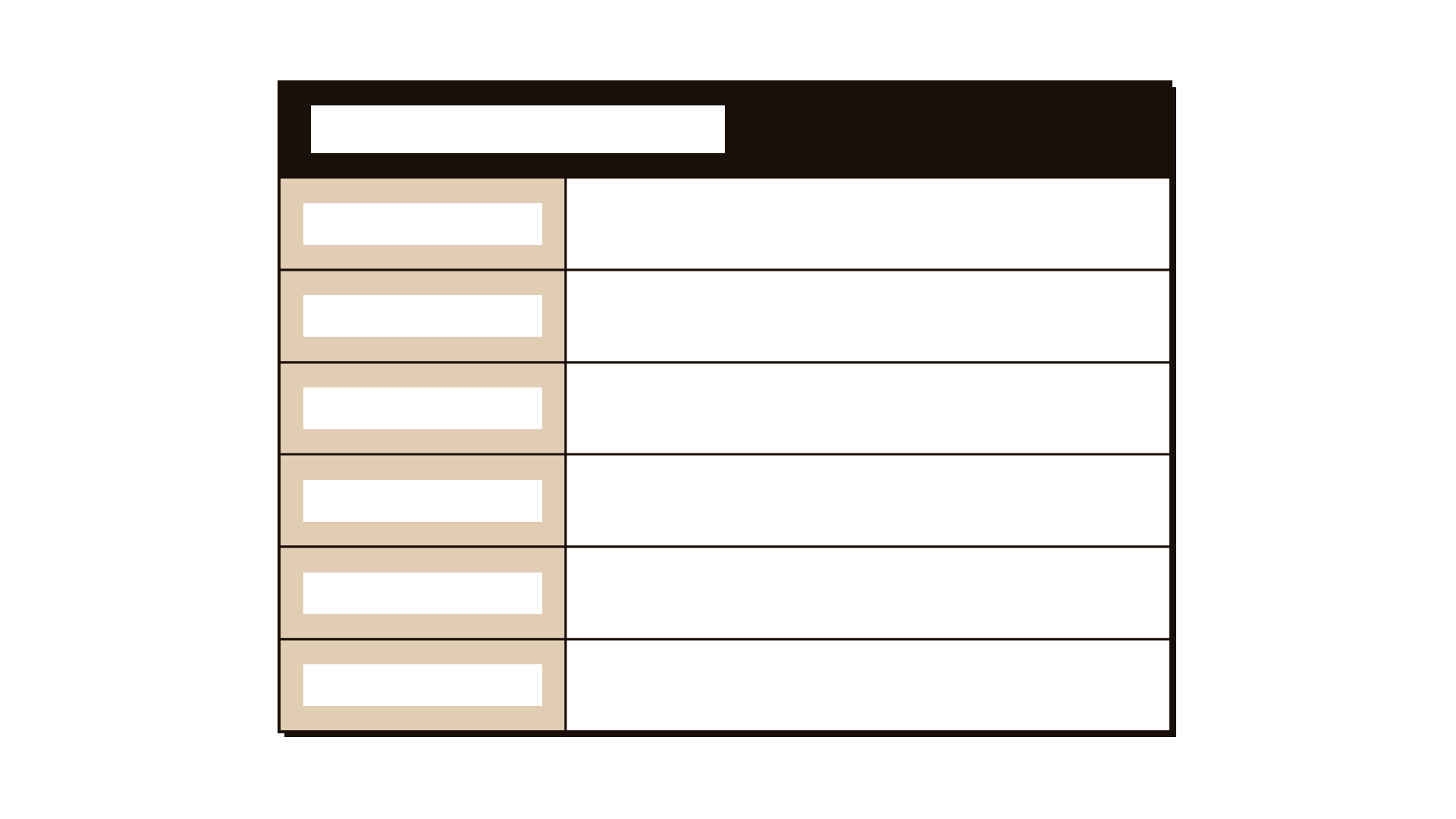
Fill in the worksheet for every initiative with the decision and the reason. Agree who will tell each team, and when the portfolio will be reviewed again, usually every quarter.
Worked example
The digital office of a public university was running 14 initiatives with 22 staff. Its director, three team leads, a finance partner, a student services manager and a facilitator spent an hour on a portfolio map.
The official list had nine projects. The collection exercise found five more, including a chatbot pilot and a room booking tool that one team maintained on its own time.
The scales were set first. High strategic fit meant serving one of the university's two digital priorities: student self-service and research data.
On the map, seven initiatives sat in the high-fit, low-uncertainty corner. Only one, a pilot giving students a single view of their fees, deadlines and grades, was high fit and high uncertainty. Three initiatives had low fit and still took six people between them.
Decisions: nine to continue, three to change (the chatbot to be tested with 200 students before any further build), and two to stop, including an old internal reporting tool replaced by the central system.
Stopping the two released four staff, who moved to the single-view pilot. The portfolio was set for review at the end of the following term.
IllustrativeTips and mistakes
Tips
- Count people as well as money. Time is usually the scarcer resource.
- Keep each initiative's evidence on its card, so placement is based on what is known.
- Expect some initiatives to be hard to stop. Agree what must be protected, such as a service users depend on, before closing them.
- Repeat the map every quarter. The second review is faster and more honest than the first.
Common mistakes
- Mapping only the official projects and missing the hidden work that uses people's time.
- Changing the scales during the meeting to help a favourite initiative.
- Ending with many changes and no stops, so the load stays the same.
- Treating the review as a judgement of the people who run each initiative.
What you walk away with
You leave with a complete map of current initiatives, a short note on the portfolio's overall balance, and a recorded continue, change or stop decision with a reason for each. Use a stop doing list to plan how stopped work is wound down safely, and three horizons to check whether the portfolio holds enough work that moves toward the future you want.
Questions people ask
What should the axes of a portfolio map be?
A common choice is strategic fit against uncertainty or risk. Some teams use expected value against effort. What matters is that the axes reflect your current priorities and are agreed before any initiative is placed.
How often should we review the portfolio?
Quarterly works for most teams. Reviewing more often than monthly rarely gives initiatives time to produce new evidence.
Portfolio mapping vs an impact effort matrix?
An impact effort matrix sorts ideas you have not started yet. Portfolio mapping reviews work that is already running and ends with a continue, change or stop decision for each.
Tool card
The worksheet your team fills in, one box per field.
- Initiative
- Strategic fit
- Risk
- Evidence
- Resource demand
- Decision