
Lotus blossom technique
Put one challenge in the centre, open it into eight themes, then open each theme into eight ideas.
- Time
- 45 min
- People
- 4–6
- Kind of work
- Generate

In short
The lotus blossom technique is a grid method for generating ideas. You write a challenge in the centre square, surround it with eight themes, then move each theme into the centre of its own small grid and surround it with eight ideas. It gives up to 64 ideas spread evenly across themes. A session takes about 45 minutes.
What it is
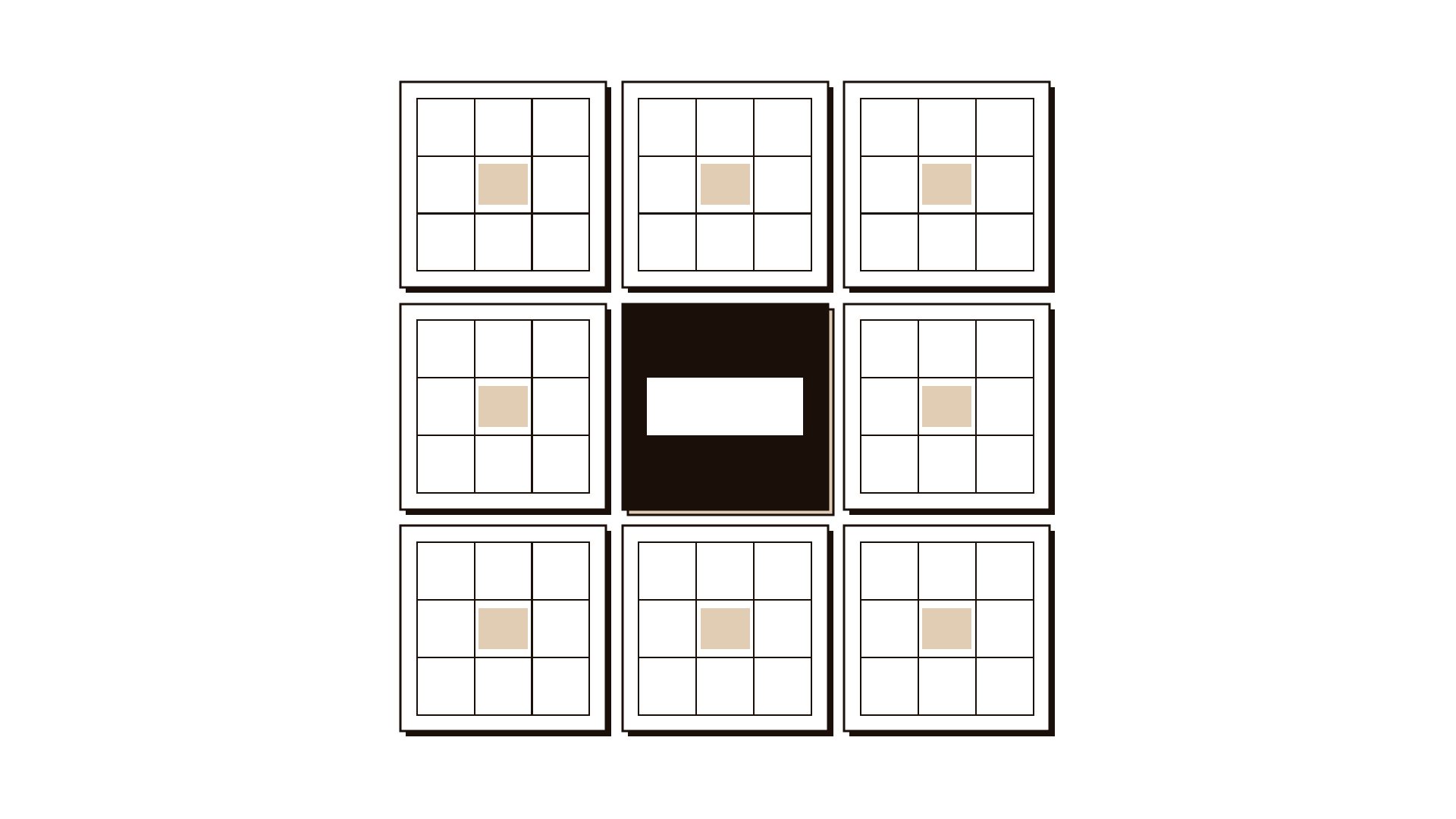
Ordinary idea sessions are lopsided. Teams pile ideas onto the two or three themes they know best and leave others almost empty. The lotus blossom fixes that with a simple shape. A three-by-three grid has one centre square and eight around it, like petals. The centre holds the challenge. Each petal holds a theme. Then each theme becomes the centre of its own grid, with eight petals of ideas.
Because every theme gets the same eight empty boxes, the method pushes a team to think about parts of the problem it would normally skip. It also gives a clear sense of progress. You can see which petals are full and which still need work. This worksheet records the central challenge, the theme, each idea and the assumption behind the ideas you keep.
When to use it
Use it when
- Your challenge is broad and has many sides, such as improving a whole service.
- Earlier idea sessions kept returning to the same few themes.
- You want a large, organised set of ideas, not a long unsorted list.
- You need to split idea work across several small groups, each taking a theme.
- You want a visible map of the challenge to share with people who were not in the room.
Skip it when
- The challenge is narrow, with one clear theme. A simpler method such as Crazy 8s or brainwriting will be quicker.
- You have less than half an hour. Filling 64 boxes well takes time.
- The team has not yet agreed the challenge itself. Frame it with a how might we question first.
You need
- Time
- About 45 minutes for the full grid with a group of four to six.
- People
- 4 to 6 people, or several small groups if you split the themes.
- Materials
- A large lotus grid drawn on a wall or board (one centre grid and eight outer grids), sticky notes, markers and a timer.
How to run it
Step 1: Write the challenge in the centre
Put the challenge in the middle square of the central grid. Phrase it as an open question, such as "How might we help managers clear leave requests on time?" Read it aloud and check everyone understands it the same way.
Step 2: Branch into eight themes
Ask the group for the main areas the challenge touches. Give them five minutes to suggest themes on sticky notes, then agree eight. Good themes for a service are often channels, moments in the journey, roles, rules, information, tools, timing and exceptions. Place them in the eight squares around the centre.
Step 3: Move each theme outward
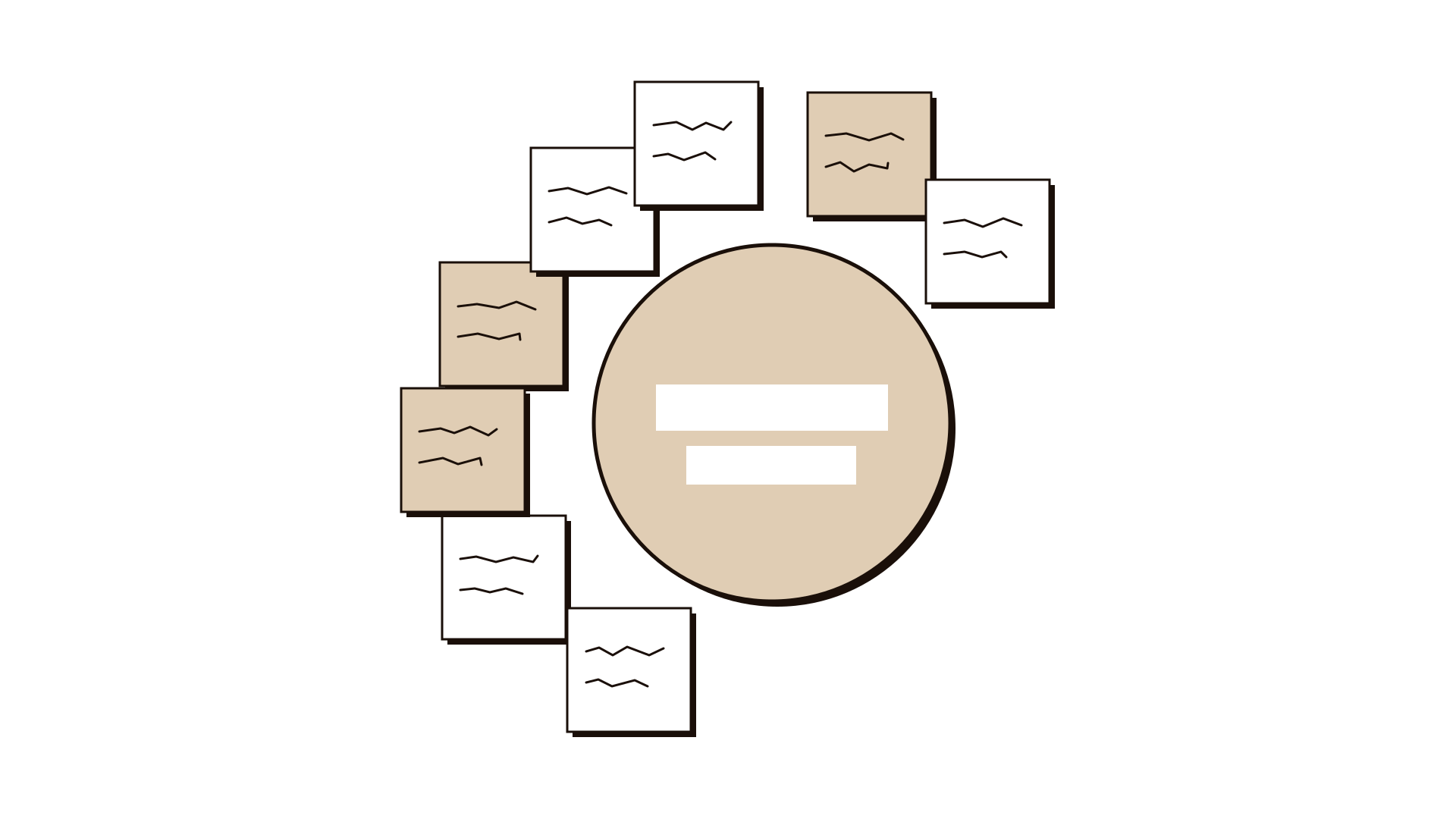
Copy each theme into the centre of one of the eight outer grids. Now each theme is the heart of its own small grid with eight empty squares around it.
Step 4: Fill the petals with ideas
Work on one or two outer grids at a time, about four minutes each. Ask for eight different ideas for that theme, one per square. If the group is larger, give each pair two themes to fill in parallel, then rotate so others can add.
Step 5: Look for empty squares
Step back. Which grids are full and which are thin? Spend a few extra minutes on the thinnest ones. Empty squares often point to parts of the challenge nobody has thought about.
Step 6: Mark the ideas worth keeping
Give each person five stickers to mark ideas across the whole grid. Look for promising ideas and also for ideas that appear under more than one theme, which can signal a strong direction.
Step 7: Record ideas and assumptions
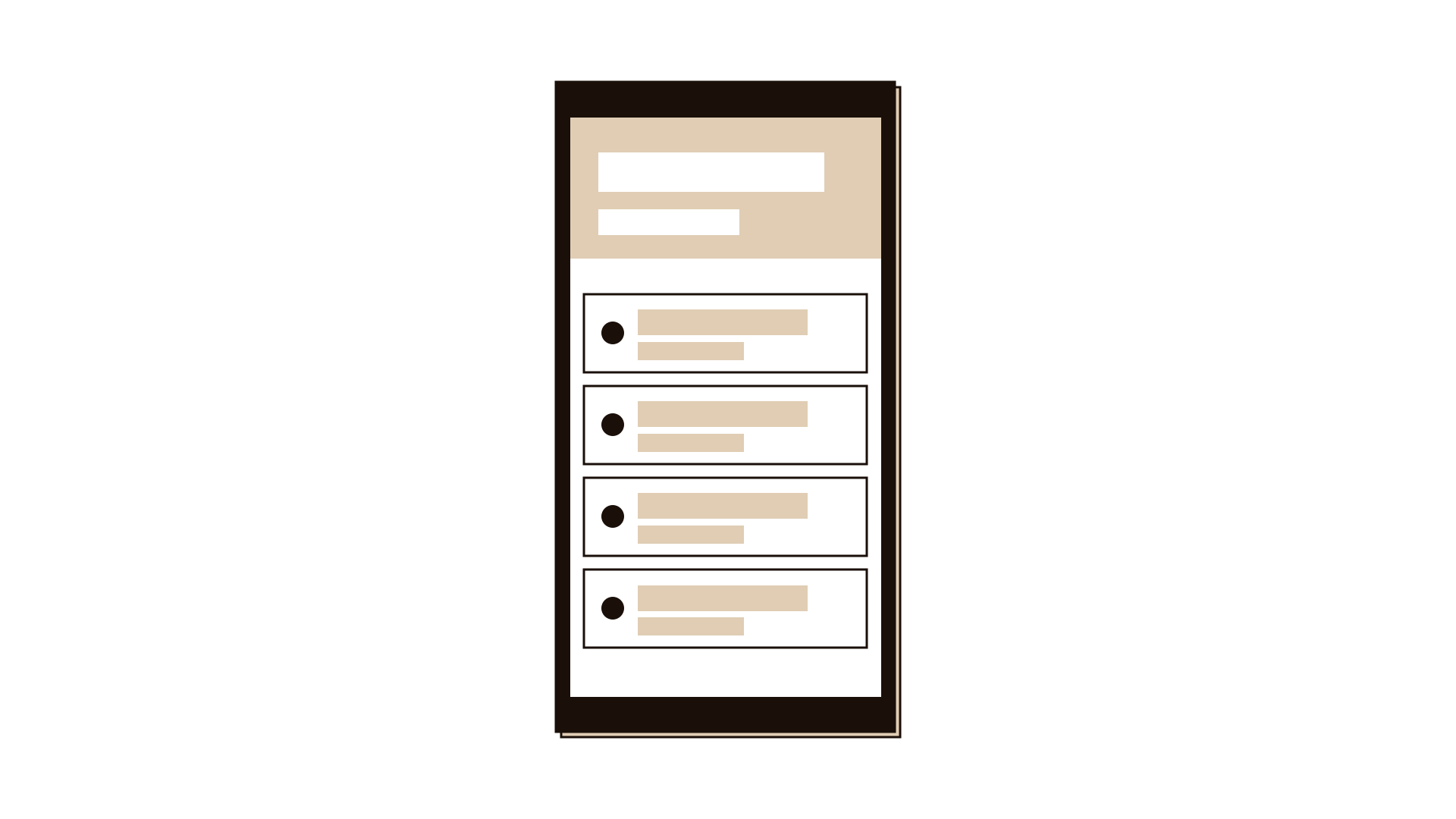
For each marked idea, fill in the worksheet: the central challenge, the theme, the idea and the assumption it depends on. Agree which ones to take into selection.
Worked example
A large public university's human resources office found that staff leave requests often sat unapproved for more than a week. Managers said they were too busy, and staff complained they could not plan time off. The team wanted ideas beyond "send more reminders".
Six people met for 45 minutes: two HR officers, a department head, an administrator, a staff representative and an IT systems officer. The centre read "How might we help managers clear leave requests on time?"
The eight themes were reminders, delegation, rules for automatic approval, the manager's daily routine, staff planning, peak periods, information on the request and the approval screen.
Delegation filled fast, with ideas like letting a deputy approve when the manager is away. The manager's daily routine was nearly empty until the department head suggested "a single morning summary listing all pending requests, approve from the message".
Rules for automatic approval produced "requests of two days or less with no team clash are approved automatically after 48 hours unless the manager objects". The staff representative noted this would need agreement on what counts as a clash.
Marked ideas clustered on the daily summary and the 48-hour rule. The team recorded the assumption behind each, such as "managers read a morning message before their first meeting", and planned to check it with five department heads.
IllustrativeTips and mistakes
Tips
- Spend real care on choosing the eight themes. They shape everything that follows.
- Accept that some squares will hold weak ideas. The goal is coverage first, quality later.
- If a theme feels too big, it can become the centre of a second lotus later.
- Use one colour of sticky note per theme so ideas can move without losing their origin.
Common mistakes
- Choosing themes that overlap heavily, so the outer grids repeat each other.
- Filling the outer grids with themes again instead of ideas.
- Rushing the last few grids because the group is tired. Take a short break halfway.
- Treating the full grid as the result and stopping before marking and recording.
What you walk away with
The team leaves with a full, organised map of up to 64 ideas spread across eight themes, a set of marked ideas worth developing, and the assumption behind each one written down. The next step is to choose. An impact effort matrix helps you sort the marked ideas quickly. If you have many ideas from several groups, affinity grouping can merge them into clear clusters first.
Questions people ask
How many ideas does a lotus blossom produce?
A full grid has eight themes with eight ideas each, so up to 64 ideas. In practice teams often fill 40 to 55 squares well, which is plenty to work with.
How long does the lotus blossom technique take?
About 45 minutes with four to six people. With more people split into pairs working on different themes, you can fill it in around 30 minutes.
Lotus blossom vs mind map: what is the difference?
A mind map grows freely, so some branches get long and others stay short. The lotus blossom gives every theme exactly eight boxes, which forces even coverage and makes gaps easy to see.
Tool card
The worksheet your team fills in, one box per field.
- Central challenge
- Theme
- Idea
- Assumption