
Point of view statement
Say in one sentence who you are designing for, what they need, and why that need matters.
- Time
- 20 min
- People
- 3–5
- Kind of work
- Frame

In short
A point of view statement is one sentence that names a specific user group, an unmet need and the insight that makes it matter, in the shape "user needs need because insight". To write one, choose a group from your research, state the need as a verb, add the surprising observation behind it, and list the evidence that supports it.
What it is
A point of view is a short statement that turns a pile of research into a clear stance. It answers three questions together. Who exactly are we designing for? What do they need to be able to do? What did we learn that makes this need important or surprising? Many teams write it as "[User] needs [need] because [insight]".
The statement is a choice. It says this group and this need matter more right now than the others you heard about. That is why the worksheet adds a fourth field for evidence: the quotes, observations or figures that justify the choice. The format is well known from design thinking teaching at Stanford's d.school, and it is often the step just before writing how might we questions.
When to use it
Use it when
- You have finished research and the team has many notes but no shared view of the problem.
- Different people describe the same project in different ways and you need one sentence everyone accepts.
- You need to explain to a sponsor why you are focusing on one group and not another.
- You are about to write how might we questions and want them built on something solid.
- A project has drifted and you want to check whether the original need still holds.
Skip it when
- You have done no research yet. A point of view built on opinion just dresses up a guess.
- The work is a technical fix with no clear user, such as a database migration.
- You are early in discovery and still need to keep many groups and needs open.
You need
- Time
- About 20 minutes for one statement, plus time to gather evidence beforehand.
- People
- 3 to 5 people, including at least one person who took part in the research.
- Materials
- Research notes or affinity clusters, the four-field worksheet, sticky notes and markers.
How to run it
Step 1: Lay out the research
Put your interview notes, observation photos or affinity clusters where everyone can see them. Spend three minutes in silence reading. Ask each person to star the two or three notes that surprised them most.
Step 2: Choose the user group
Agree on one group, described in a way that would let you find them. "Patients" is too wide. "Parents bringing a child to the emergency department for the first time at night" is specific enough. Write it in the user field.
Step 3: State the unmet need as a verb
Write what the person needs to be able to do, using a verb. "Needs to know how long the wait will be" works. "Needs a screen in the waiting room" is a solution, so push back to the need under it. Write it in the need field.
Step 4: Find the insight
Ask: what did we see or hear that explains why this need matters? The insight is usually something the team did not expect, such as a contradiction between what people say and what they do. Write it in one sentence. If the insight is obvious to everyone, dig further.
Step 5: Attach the evidence
List two to four pieces of proof in the evidence field. Use direct quotes, counts from observation or service data. If you cannot find evidence, mark the insight as a hunch and plan to check it.
Step 6: Read the full sentence aloud
Combine the fields into one sentence and read it out. Ask two questions. Would a person from this group recognise themselves? Does it leave room for more than one solution? Adjust until both answers are yes.
Step 7: Record it and decide what comes next
Agree the final wording and save the worksheet. Decide whether to write how might we questions now or to check a weak piece of evidence first.
Worked example
A hospital's patient experience team had run 14 interviews and two evenings of observation in the children's emergency department. Complaints about waiting were rising, but the notes covered dozens of topics.
Four people met for 20 minutes: two nurses, a patient experience officer and the researcher. After silent reading, most stars landed on notes from parents arriving between 9pm and midnight.
They chose the user group "parents bringing a child to the emergency department for the first time, at night".
The first draft of the need was "a screen showing wait times". The group rewrote it as "needs to understand what is happening and what comes next".
The insight came from observation: parents asked the triage nurse the same question several times, and what worried most of them was the fear that they had been forgotten.
Evidence included six parent quotes and a count of 23 repeat questions to the triage desk across two evenings. The final statement read: "First-time parents at night need to understand what is happening and what comes next, because the silence feels like being forgotten, more than the wait itself."
IllustrativeTips and mistakes
Tips
- Pick a group you could actually go and find again, so you can test ideas with them later.
- Write the need with a verb. It keeps the statement about people and away from features.
- Keep the insight short. If it needs a paragraph, it is probably two insights.
- Write two or three candidate statements, then choose. Comparing them shows the team what it really believes.
Common mistakes
- Describing the user so broadly, such as "citizens" or "customers", that the statement could apply to anyone.
- Putting a solution in the need field.
- Writing an insight that is just a restatement of the need.
- Leaving the evidence field empty and treating the statement as fact.
What you walk away with
The team leaves with one point of view statement it agrees on, backed by named evidence, and a clear note of any part that is still a hunch. The next step is usually to turn it into a few how might we questions. If the evidence turned out thin, go back for a short round of stakeholder interviews before moving on.
Questions people ask
What is the format of a point of view statement?
The common shape is "[User] needs [need] because [insight]". Some teams add a line for evidence underneath. The exact wording matters less than having all three parts and being able to back them up.
Point of view vs how might we: which comes first?
Usually the point of view comes first. It fixes who and what. The how might we question then turns that statement into an open challenge for idea generation.
Can we have more than one point of view?
Yes, if you have different user groups with different needs. Keep each statement separate and work on them one at a time, or give them to different teams.
Tool card
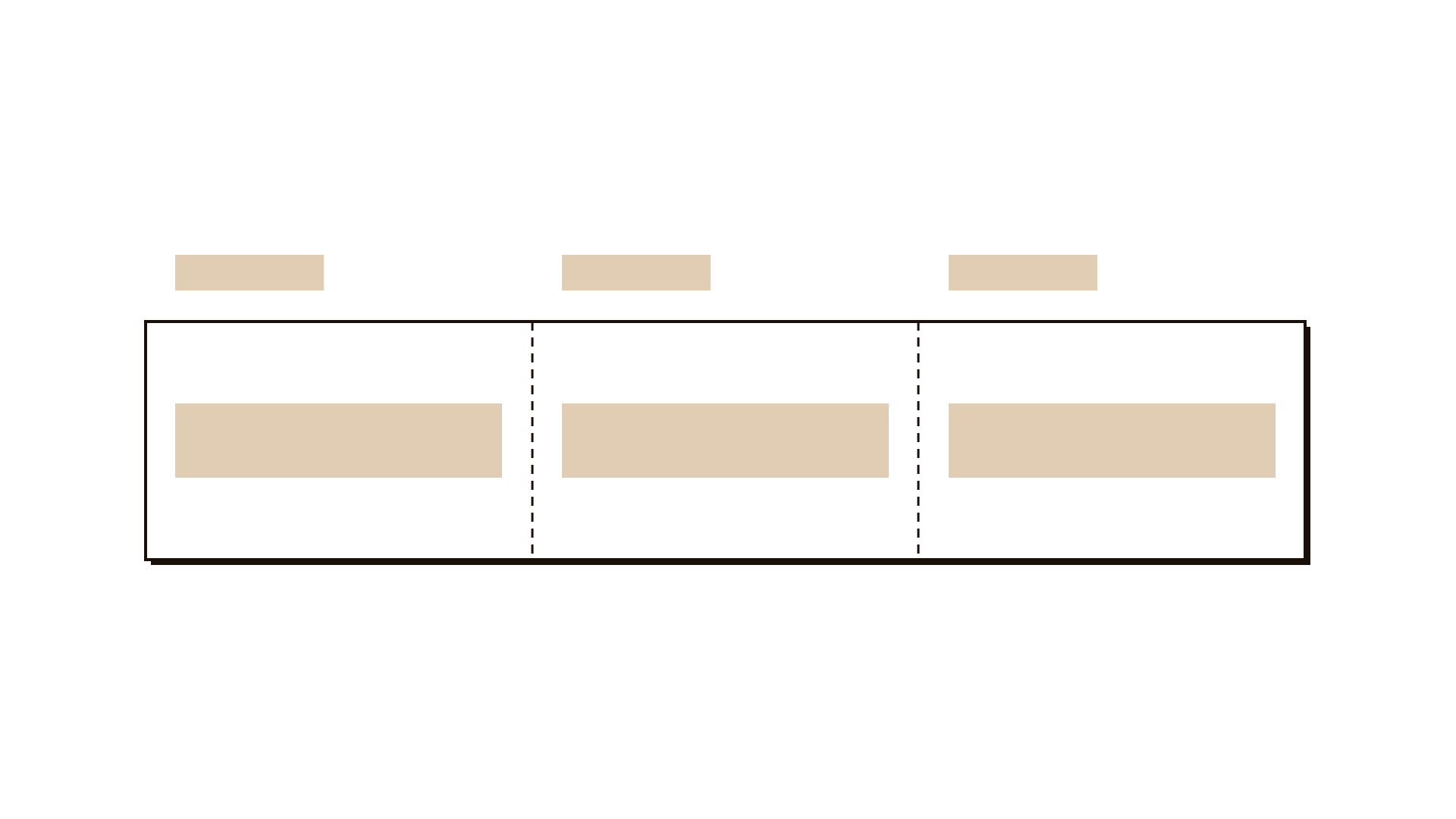
The worksheet your team fills in, one box per field.
- User
- Need
- Insight
- Evidence