
Innovation in hierarchical cultures: working with seniority, not around it
How to run innovation where seniority decides: seven practical steps that use hierarchy to protect ideas, not silence them, from workshops to decisions.

Innovation in hierarchical cultures: working with seniority, not around it
In a hierarchical organisation, innovation fails when you pretend the hierarchy is not there. Flat-team rituals imported wholesale ("everyone is equal in this room") make senior people uneasy and junior people more careful, not less. What works is to use seniority on purpose: let senior people set the question and own the decision, and design the middle of the process so that ideas are produced and judged before anyone knows whose they are.
What hierarchy actually does to ideas
Most innovation advice is written for organisations where a junior analyst can tell a director, in a meeting, that the plan is wrong. In many organisations, including much of the Gulf, parts of Asia and most large public bodies anywhere, that is not how respect works. Geert Hofstede called this dimension power distance: how far less powerful members of a group accept and expect that power is distributed unequally.
High power distance is not a flaw to fix before innovation can start. It has real strengths: decisions, once taken, move quickly; senior sponsorship carries weight; people follow through on what the top has endorsed. The problems are specific and predictable:
- Ideas get filtered on the way up. People pass on what they think the senior person wants to hear.
- The first senior opinion ends the discussion. Once the most senior person speaks, others align.
- Junior staff do not challenge in public. Disagreement goes into corridors, not into the meeting.
- Failure is personal. A failed test reflects on whoever approved it, so nobody approves tests.
Each of these can be designed around without asking anyone to give up status.
Seven steps that work with seniority
1. Let the most senior person own the question, not the answer
Ask the senior sponsor to frame the challenge and say publicly why it matters. Then ask them, explicitly, not to propose a solution in the room. A short line from them works well: "I don't know the answer to this. I want to hear what you see." When the most senior person states their uncertainty, others are allowed to have ideas.
2. Generate ideas in silence and in writing
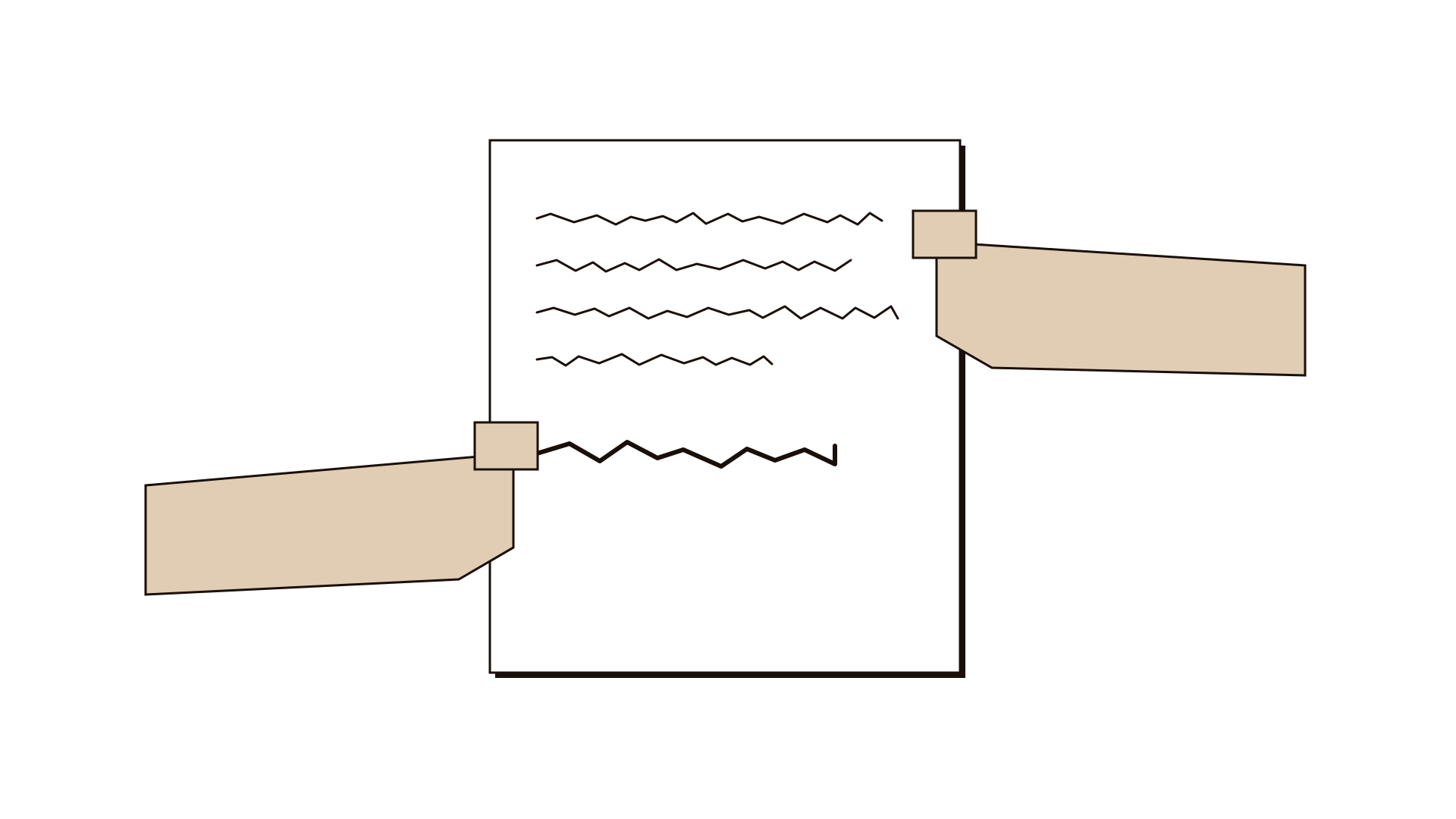
Spoken brainstorming in a hierarchical room produces the boss's idea, repeated politely. Brainwriting changes the order: everyone writes first, alone, before anyone speaks. Ideas exist on paper before status can shape them. Our article on silent-first ideation explains the mechanics.
3. Separate ideas from names until the judging is done
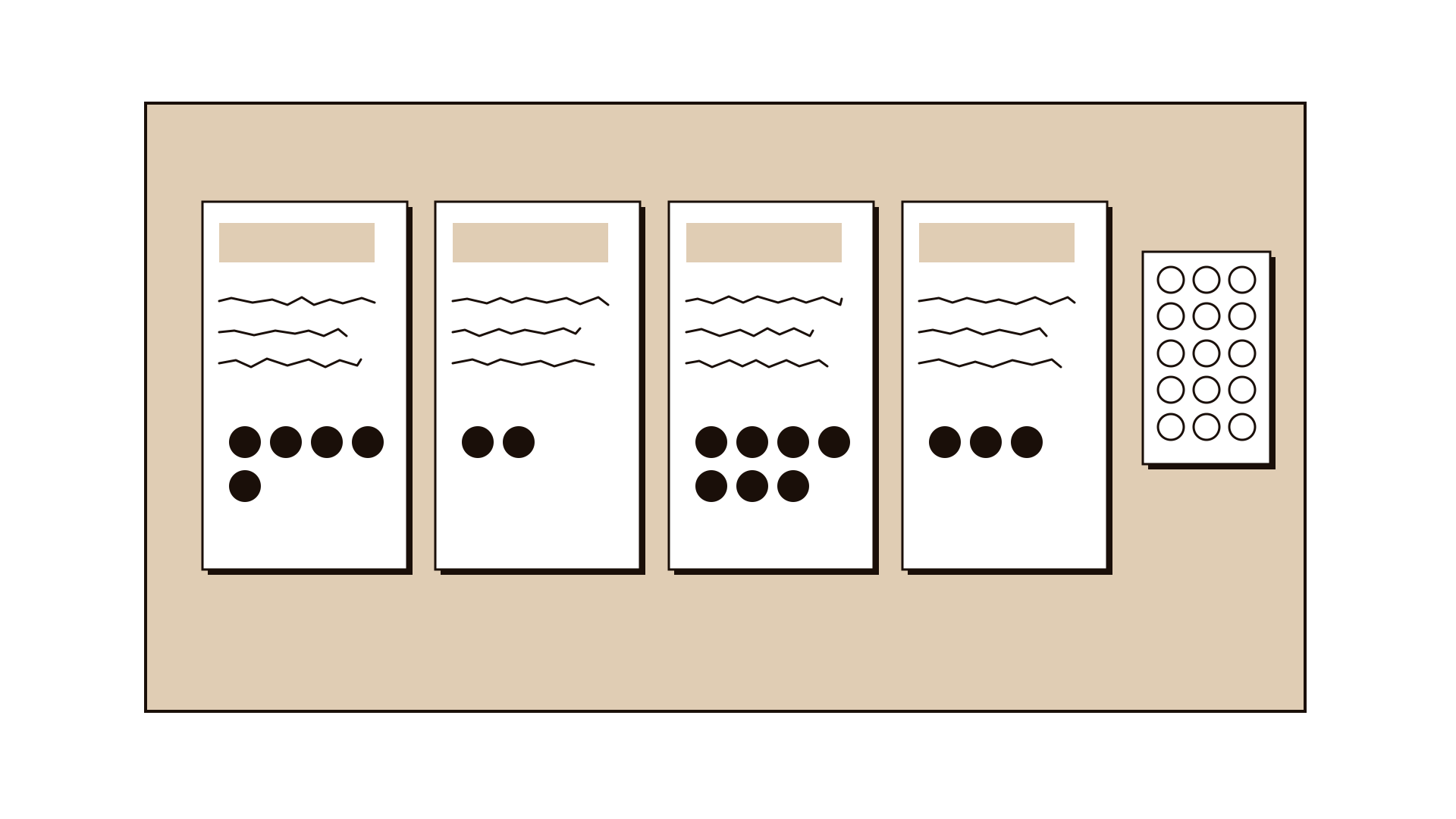
Collect written ideas, shuffle them, and present them unattributed. Score or vote before revealing who suggested what. If you use dot voting, have senior people vote last, or everyone vote at once, so nobody follows the director's dots. A weighted decision matrix with criteria agreed beforehand helps further: people argue about criteria rather than about each other.
4. Give challenge a role, so nobody has to volunteer it
In a hierarchy, disagreeing with a senior person is a personal risk. Make it a job instead. Run a premortem ("it is a year from now and this failed; why?"), which asks everyone to find weaknesses as a task. Or assign a rotating "red team" of two people whose job in that session is to find what is wrong. They are doing what they were asked, not being disrespectful.
5. Route bad news through structure, not courage
Do not rely on junior staff to tell a director that a pilot is failing. Build regular checkpoints where evidence is reviewed against criteria set at the start. A challenge panel of respected, independent reviewers can say what a team member cannot. The message comes from the process, so it does not cost anyone their standing.
6. Make senior endorsement visible early and small
In hierarchical organisations, people watch what the top actually does. A senior leader who spends thirty minutes at a test with real users sends a stronger signal than a strategy speech. Ask sponsors for small, visible acts: attending a demo, asking one question of the team, approving a stop decision without blame.
7. Let seniority close the loop
Hierarchy is good at one thing innovation teams often struggle with: making a decision stick. Once ideas have been generated and judged fairly, bring the decision back to the senior owner with a clear recommendation and the evidence. Their decision then moves the organisation. You have used the hierarchy at both ends and protected the middle.
Worked example (Illustrative)
A national rail operator in Central Europe asked its station teams for ideas to cut ticket-office queues. The first round was a town-hall session led by the regional director. Every idea raised in the room was a variation of the one he mentioned in his opening remarks. Staff later said they had better ideas but did not want to contradict him.
The second round was redesigned. The director opened with three minutes on why queues mattered and said he had no answer. He then left the room. Teams used brainwriting for twenty minutes, ideas were typed up without names, and a mixed panel scored them against four criteria the director had approved in advance. The highest-scoring idea, moving season-ticket renewals to station-staff tablets on the platform, came from a part-time ticket clerk. The director returned, heard the top five with the evidence, chose two to test, and announced the clerk as co-lead of one test in front of the whole team.
The director gave up nothing. He set the question, approved the criteria and made the call. He was simply absent from the part where his presence did harm.
Do's and don'ts
Do
- Brief the senior sponsor beforehand on exactly when to speak and when to hold back.
- Write first, talk second, in every idea session.
- Hide names until ideas have been judged.
- Make challenge a named role or a structured exercise.
- Bring decisions back to the senior owner with evidence and a recommendation.
Don't
- Don't announce "there is no hierarchy in this room". Everyone knows there is, and the claim makes people more careful.
- Don't put the most senior person in charge of facilitating the ideation.
- Don't ask junior staff to "be brave" and challenge in public. Change the structure, not the person.
- Don't take a decision away from the sponsor to protect an idea. You may win the idea and lose the sponsor.
- Don't confuse politeness with agreement. Check what people write, not only what they say.
Where hierarchy is the real blocker
Sometimes the problem is not process but a single senior person who rejects anything they did not originate. Structure helps, but it cannot fully fix that. In those cases, work on the sponsor relationship directly: bring evidence from users rather than opinions from staff, frame ideas around the sponsor's own stated goals, and look for a second sponsor at the same level. Our piece on getting senior leadership to back an idea covers this, and middle managers: the quiet blockers covers the layer below.
Questions people ask
Can hierarchical organisations be innovative? Yes. Hierarchy slows idea generation if left alone, but it speeds up decisions and adoption. Protect the generation and judging stages from status, and the hierarchy becomes an advantage at the decision stage.
How do I get junior staff to share ideas in front of their managers? Do not ask them to speak first. Ask everyone to write ideas alone, collect them without names, and discuss the ideas rather than the people. Junior staff share more when their name is not attached until the idea has been judged.
Should the boss attend the innovation workshop? Attend the opening to frame the question, and return for the decision. For the idea generation in between, the senior person's absence or silence usually produces better ideas.
Where to go next
For the session itself, start with brainwriting and a premortem; for judging, use a weighted decision matrix; for ongoing review, a challenge panel. For the wider picture, read innovation culture: what it is, and how leaders actually build it.