
Rewarding innovation without killing it with KPIs
Why tying innovation to individual KPIs and cash prizes backfires, what the research on rewards says, and how to recognise innovation work that lasts.

Rewarding innovation without killing it with KPIs
The belief is simple: what gets measured gets done, so put innovation into everyone's KPIs and pay for results. In practice, individual innovation targets produce idea counts, safe projects and quiet gaming, while cash prizes for "best idea" teach people to compete for the prize rather than solve the problem. What works is to reward the behaviours that make innovation possible, recognise contribution in public and specifically, and keep hard numbers for the portfolio, not the person.
The belief, stated fairly
The case for innovation KPIs is not foolish. Organisations measure what they value. If innovation is a strategic priority but nobody is assessed on it, it slides behind the work that is assessed. Leaders also want fairness: if some people put in extra effort on new ideas, that effort should count at appraisal time. And in public bodies especially, there is pressure to show the innovation unit is producing something.
So the logic runs: give each employee or department a target (ideas submitted, projects completed, savings achieved), link it to the appraisal, and add prizes for the best results. Effort will follow.
Why it fails in practice
Targets distort what they count. The economist Charles Goodhart made the observation in 1975 about monetary policy; the anthropologist Marilyn Strathern later put it in the form most people quote: when a measure becomes a target, it ceases to be a good measure. Set "ideas submitted per employee" and you get many thin ideas. Set "projects completed" and people pick projects they know will complete. Set "savings achieved" and the bold, uncertain work disappears, because uncertain work is exactly what innovation is.
Individual targets punish the honest outcome. Most good innovation work ends with "we tested it and it does not work, so we stopped". If an individual's rating depends on a successful launch, that result is a personal loss. People respond rationally: they avoid tests that might fail, or they keep weak projects alive past their useful life. Our article on why almost nobody fails fast goes deeper into this.
Contingent cash rewards can lower the motivation you need. Edward Deci, Richard Koestner and Richard Ryan's 1999 meta-analysis of 128 experiments, published in Psychological Bulletin, found that expected tangible rewards tended to reduce intrinsic motivation for interesting tasks, while positive, informational feedback tended to increase it. Laboratory tasks are not workplace innovation, and the debate in the literature continues, but the direction should give any reward designer pause. Innovation depends heavily on people choosing to go further than the job description.
Prizes create winners and many losers. A "best idea" award with one cash winner tells nine teams their work did not count. It also rewards the pitch, not the follow-through, because the prize is given before anything has been tested.
Innovation is a team result. Almost no innovation is the work of one person. Individual targets push people to claim ownership and hold back help, which is the opposite of what the work needs.
What works instead
1. Measure the portfolio, not the person
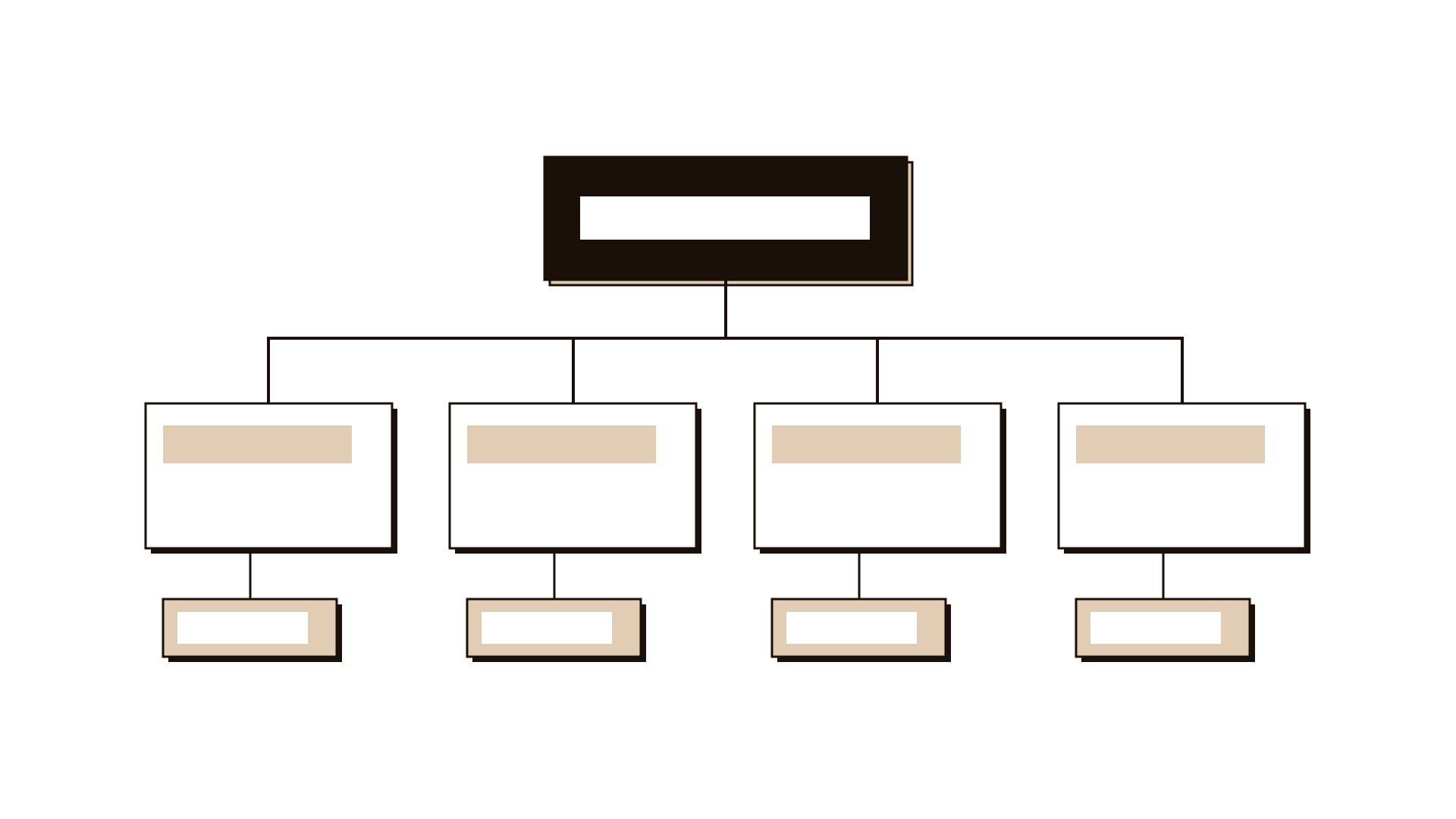
Keep the hard numbers, but put them at the right level. A KPI tree can link innovation to outcomes the organisation cares about (time saved for users, cost avoided, new services adopted) and assign those to the programme or portfolio. Teams can work towards these with objectives and key results that are not tied to pay. Individuals are not marked down when a single test fails.
2. Assess behaviours at appraisal, not outcomes
If innovation belongs in performance reviews, assess what the person controls: Did they test assumptions before scaling? Did they share what did not work? Did they help another team? Did they bring evidence from users? These can be observed and described. Write them as examples, not as scores.
3. Reward learning, including from stopped work
Recognise the team that ran a clean hypothesis test and stopped a project early, saving the organisation a year of spending. Say so publicly, and name what was learned. If the only stories leaders celebrate are launches, people will learn that stopping is failure.
4. Recognise specifically and in public
Specific recognition beats generic praise. "Thank you for your contribution" means little. "Fatima's interviews with night-shift staff changed the design of the rota tool" means a great deal, and it tells everyone what good looks like. Teresa Amabile and Steven Kramer's research on the progress principle (2011) found that making progress on meaningful work was the strongest driver of a good day at work, so recognition tied to real progress lands far better than a prize.
5. Give opportunity as the reward
For many innovators, the most valued reward is the chance to do more: lead the next test, present to the executive team, join a cross-entity challenge, get time to develop an idea. These cost little, motivate strongly and build capability at the same time.
6. If you pay, pay late and pay the team
If your organisation wants financial recognition, link it to value realised after implementation, use a value case agreed beforehand, and share it across everyone who contributed, including the operational staff who now run the service.
Worked example (Illustrative)
A hospital group in Scandinavia added "two improvement ideas per employee per year" to every staff appraisal. In the first year, idea submissions rose sharply. Most were small requests (a new printer, a different shift pattern) and the improvement team spent months triaging them. Very few were tested.
In the second year, the group removed the individual target. Instead, each ward had one team-level objective tied to a patient-experience outcome, not to pay. Appraisals included a short section where managers described one example of the person testing, sharing or helping on improvement work. Each quarter, the chief nurse wrote a short public note naming three pieces of work and what had changed because of them, including one project that had been stopped after a two-week test.
Submissions fell. Tested ideas rose, and so did the number of ideas coming from wards working together. Staff said the quarterly notes mattered more to them than the old target had.
Common mistakes
- Counting ideas. It is the easiest number and the least useful. See counting ideas is the worst innovation KPI.
- Ranking people or teams against each other. It turns colleagues into competitors and kills sharing.
- Paying for the pitch. Rewards given before anything is tested reward presentation, not results.
- Celebrating only launches. It teaches people that stopping a weak project is failure.
- Leaving out the people who run it. The operational team who adopts and maintains the new service deserves recognition as much as those who designed it.
Questions people ask
Should innovation be part of performance appraisal? It can be, if you assess behaviours the person controls (testing, sharing, helping, bringing evidence) and describe them with examples. Avoid individual outcome targets such as ideas submitted or launches achieved.
How do you reward employees for innovative ideas? Recognise specific contributions publicly, give opportunities to lead the next step, and, if money is involved, pay after implementation, based on value realised, and share it with the whole team.
What are good innovation KPIs? At portfolio level: outcomes for users, time to a tested decision, share of projects stopped early on evidence, and adoption by operations. See how to measure innovation for a fuller set.
Where to go next
Use a KPI tree to set portfolio measures, objectives and key results for team direction, and a regular retrospective to surface the learning worth recognising. For the wider frame, read innovation culture: what it is, and how leaders actually build it.