
How to measure innovation: the KPIs that matter
How to measure innovation with a small set of KPIs that link to strategy: input, flow, output and learning measures, and how to build them step by step.

How to measure innovation: the KPIs that matter
Measure innovation with a small set of indicators that follow work from intent to value: what you put in, how fast ideas move through decisions, what reaches users, and what you learn. Five to eight measures, each tied to a strategic objective and each owned by someone, beat a dashboard of thirty. Most organisations go wrong by counting what is easy, especially ideas submitted, instead of what tells them whether innovation is changing anything.
This piece shows how to build that set step by step, with examples for each kind of measure. For the wider question of how capable your organisation is at innovation, start with the hub pillar on assessing innovation maturity.
Four kinds of measure, and why you need each
Think of innovation as a flow. Each stage needs at least one measure, or you will optimise one part and starve another.
| Kind | What it tells you | Example measures |
|---|---|---|
| Input | Are you investing on purpose? | Share of budget or staff time set aside for innovation; number of strategic challenges with a named sponsor |
| Flow | Do ideas move, or wait? | Median days from proposal to funding decision; share of pilots decided on time; share of initiatives stopped at a planned decision point |
| Output and outcome | Is anything reaching users and changing results? | Pilots that moved into operations; change in a service measure (time, cost, satisfaction) attributable to an initiative; revenue or savings from launched initiatives |
| Learning and capability | Is the organisation getting better at this? | People who have led or contributed to a tested initiative; lessons recorded and reused; assumptions tested before build |
The flow measures are the most neglected and often the most revealing. A long, unpredictable wait for a decision kills more good ideas than poor ideas do.
For a recognised reference, ISO 56008:2024 is the international guidance document on tools and methods for innovation operation measurements, part of the ISO 56000 family developed by ISO/TC 279 (source: ISO/TC 279 published documents list). It is guidance rather than a set of mandatory KPIs.
Building your innovation KPIs: six steps
1. Start from strategy, not from a KPI library
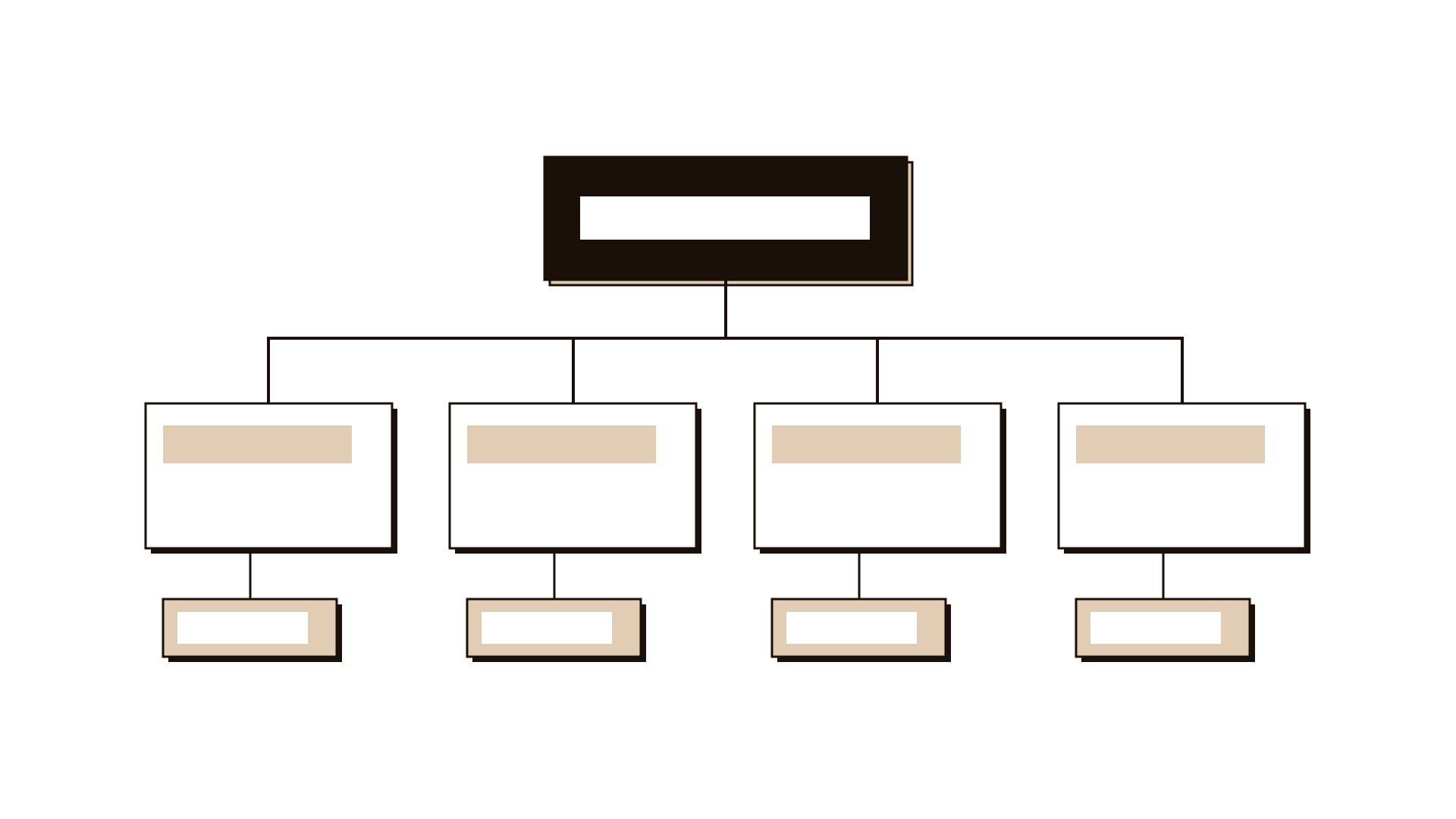
Write down the two or three strategic objectives innovation is meant to serve, such as "cut service waiting times" or "open a new revenue line". Every measure you pick must trace back to one of them. A KPI tree is the simplest way to draw that link: objective at the top, the drivers beneath, measures at the leaves.
2. Pick one or two measures per kind
From the four kinds above, choose the one or two measures that best show progress toward your objectives. Resist adding more. If a measure would not change a decision anyone makes, drop it.
3. Define each measure precisely
For each, write: the exact definition, the data source, who owns it, how often it is reviewed, and what counts. "Pilots moved into operations" needs a definition of "moved": funded in an operational budget, with a named owner, live for at least a set period. Vague definitions invite gaming.
4. Set a baseline before setting targets
Measure where you are for a quarter before you set targets. Targets set without a baseline are guesses, and teams learn quickly to argue about the target rather than the work.
5. Separate portfolio measures from initiative measures
Portfolio measures tell leadership whether the system works (flow, mix, outcomes overall). Initiative measures tell a team whether their idea works, and should come from the initiative's own hypothesis, for example with a hypothesis test. Do not judge an early experiment by revenue; judge it by what it was designed to learn. Portfolio mapping helps you see which initiatives sit at which stage.

6. Review on a rhythm and retire measures
Review the set quarterly with the people who own it. Ask what each measure made you decide. Retire any measure that has stopped informing decisions, and run a retrospective once a year on the whole set.
If your organisation already uses objectives and key results or a balanced scorecard, put innovation measures inside that system rather than beside it. A separate innovation dashboard is easy to ignore.
An example
Illustrative. A public hospital network in Ireland ran a staff innovation programme and reported, each quarter, the number of ideas submitted and workshops held. Both rose every year; the executive team still could not say whether patients noticed anything.
The programme lead rebuilt the set around one strategic objective, reducing outpatient waiting, and chose six measures: protected staff hours for improvement work (input); median days from proposal to a pilot decision and share of pilots stopped at a planned review (flow); pilots adopted into a clinic's normal routine and change in waiting time at clinics running them (outcome); staff who had led a tested change (capability). The first quarter's baseline showed a median decision time of several months. Shortening it became the programme's first improvement project. Ideas submitted stayed on an internal tracker but disappeared from the executive report.
Common mistakes
- Counting ideas. Idea volume measures enthusiasm, not progress, and a target on it floods the system with low-effort submissions. See counting ideas is the worst innovation KPI.
- Only measuring outcomes. Revenue and savings arrive late. Without flow measures you will not know what is blocking them until it is too late to act.
- Punishing stopped projects. If "initiatives stopped" looks like failure on the dashboard, teams keep weak projects alive. Count well-timed stops as good portfolio management.
- Judging early bets by late measures. A three-week experiment cannot show return on investment. Match the measure to the stage.
- Ranking people or teams by innovation numbers. It turns measurement into a contest and teaches people to perform for the dashboard. Recognise contribution instead; the people hub covers how.
- Too many measures. Thirty KPIs means nobody reads any of them. Five to eight is enough.
Do's and don'ts
Do
- Tie every measure to a strategic objective.
- Include at least one flow measure, such as time to decision.
- Define measures precisely and name an owner for each.
- Baseline for a quarter before setting targets.
- Report on one page; see reporting innovation to the board on one page.
Don't
- Don't copy a KPI list from another organisation without checking it serves your strategy.
- Don't put targets on idea counts or workshop attendance.
- Don't treat a stopped initiative as a failure on the report.
- Don't build a separate innovation dashboard nobody opens; use the performance system leaders already read.
Questions people ask
What are the best KPIs for innovation? There is no universal list. The best set is small and follows the flow of work: one or two input measures, one or two flow measures (time to decision is the most useful), one or two outcome measures linked to your strategy, and one capability or learning measure. Choose what would change a decision in your organisation.
How do you measure innovation in the public sector? The same structure works; outcomes are expressed in service terms rather than revenue, such as waiting time, cost to serve, error rates or beneficiary satisfaction. Saudi government entities preparing for the Digital Government Authority's measurement can align these with Qiyas preparation.
How often should innovation KPIs be reviewed? Review portfolio measures quarterly and initiative measures at each planned decision point. Review the whole set, and retire measures that no longer inform decisions, once a year.
Close
To build your set, start with a KPI tree, then place it inside objectives and key results or a balanced scorecard; use portfolio mapping to match measures to each initiative's stage. All guides are in the guides index.