
Now, How, Wow matrix
Sort your ideas into what you can do now, what needs working out, and what is both new and doable.
- Time
- 30 min
- People
- 4–8
- Kind of work
- Choose
In short
The Now How Wow matrix is a two-axis grid for sorting ideas. One axis asks how new an idea is, the other how feasible it is today. Ideas land in three useful groups: Now (familiar and doable), How (new but not yet doable) and Wow (new and doable). You then choose what to act on now and what to investigate.
What it is
After a good ideation session you might have 40 or more ideas, and they are not all the same kind. Some are sensible improvements you could start next week. Some are exciting but would need new rules, money or technology. A few are fresh and also within reach. The Now How Wow matrix helps a team see these differences in one picture.
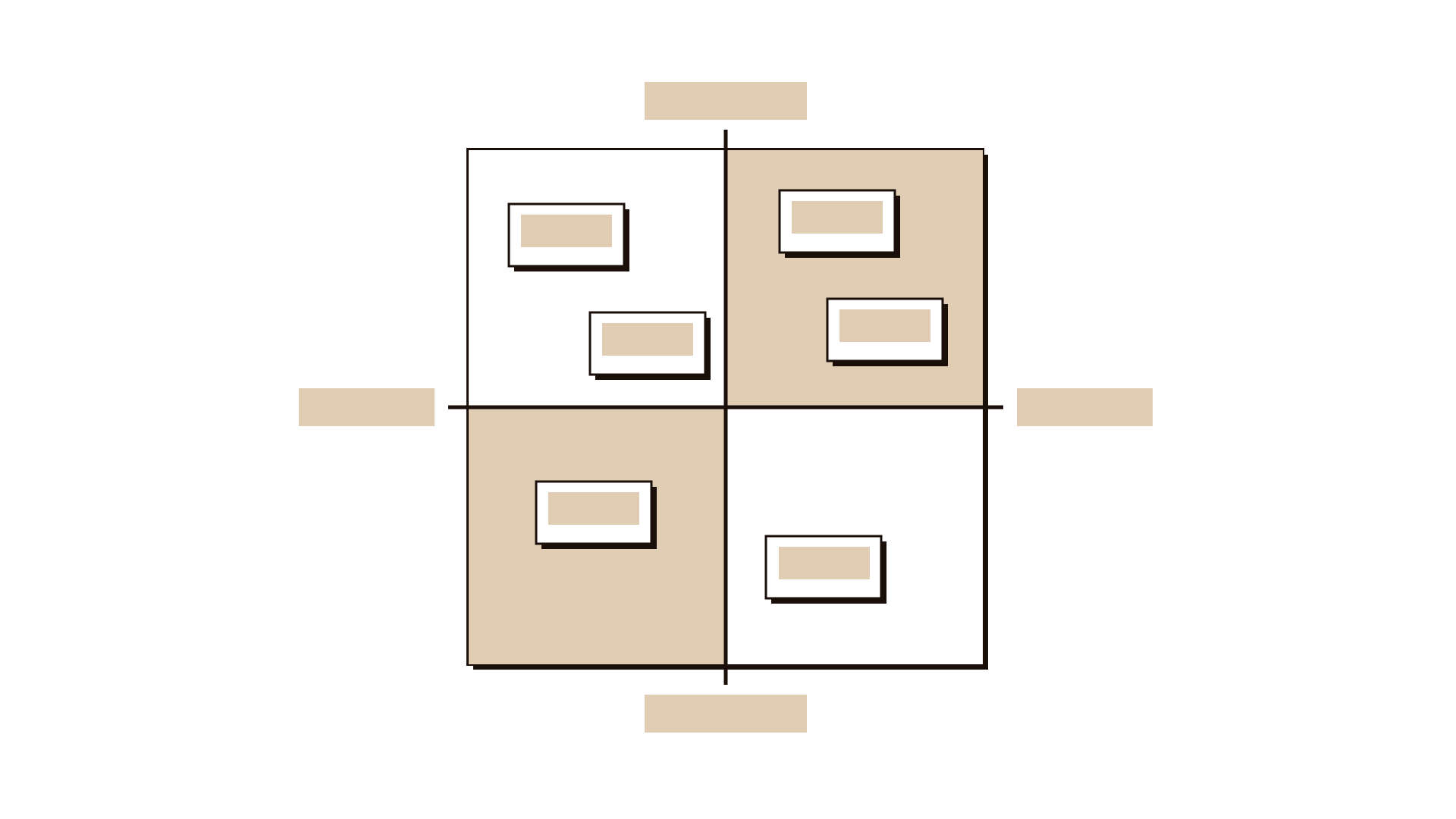
Draw a grid with novelty on one axis, from familiar to new, and feasibility on the other, from hard to do today to easy to do today. Familiar and feasible ideas are Now. New but hard ideas are How, because you first have to work out how. New and feasible ideas are Wow. Familiar and hard ideas usually drop out. The point is to build a balanced set of next steps. You are looking for a mix, and one winner is rarely the goal.
When to use it
Use it when
- Right after brainstorming, brainwriting or SCAMPER, when you have many ideas of mixed ambition.
- When leaders want both quick improvements and something more ambitious, and you need to show both.
- When a team keeps choosing only safe ideas and you want to make the bolder ones visible.
- To plan which ideas go into a pilot now and which need research first.
Skip it when
- You need a single, defensible choice between a few options. Use a weighted decision matrix.
- Feasibility depends on facts nobody in the room knows. Find those out first, or invite the people who know.
You need
- Time
- 30 minutes for 20 to 40 ideas
- People
- 4 to 8 people, including at least one person who knows the delivery constraints well
- Materials
- A large two-axis grid on a wall or whiteboard, ideas on sticky notes, three colours of marker for Now, How and Wow
How to run it
Step 1: Draw the grid and define the axes
Draw a large square. Label the horizontal axis 'feasible today', from hard on the left to easy on the right. Label the vertical axis 'novelty', from familiar at the bottom to new at the top. Agree what 'new' means here: new to your organisation, not new to the world. Agree what 'feasible today' means: with current budget, rules and staff, within about six months.
Step 2: Clean up the ideas
Make sure each note holds one idea in a few words. Merge duplicates. If you have more than 40, run a quick dot vote first so you place only the ones the group cares about.
Step 3: Place ideas on novelty first
Take each note and ask only: 'How new is this for us?' Place it high or low. Do not discuss feasibility yet. Separating the two questions stops people from pulling every bold idea down because it looks hard.
Step 4: Then slide each idea for feasibility
Now go through the notes again and move each one left or right based on feasibility today. Ask the person who knows the constraints to explain any move. Keep discussion to about 30 seconds per note.
Step 5: Name the three groups
Draw rough boundaries. Mark the bottom right as Now, the top left as How, and the top right as Wow. Ideas in the bottom left, familiar and hard, usually leave the table unless someone makes a strong case.
Step 6: Choose a balanced set
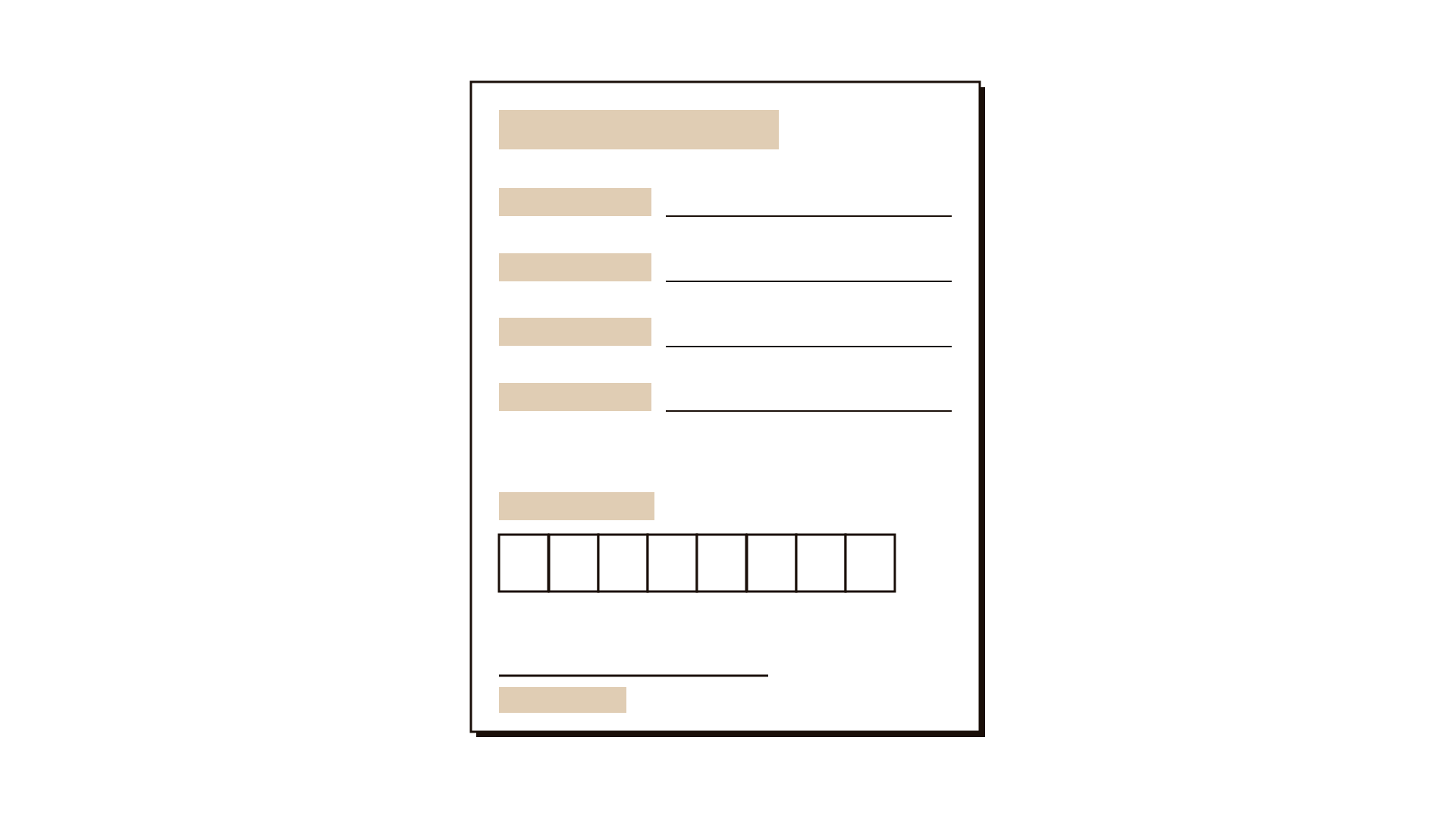
Pick one or two Wow ideas to develop, two or three Now ideas to start soon, and one How idea to investigate. For each, write the next step on the worksheet: idea, novelty, feasibility, next step.
Worked example
A ministry of education team wants to make school transfers easier for families who move between cities. Today parents fill a paper transfer form, collect a signature from the old school and a student record number, then visit the new school. Seven staff from schools, IT and the family call centre sort 26 ideas.
The team defines 'feasible today' as possible within one school term using the current student system and rules.
Placing for novelty first, ideas such as 'clearer instructions on the form' and 'longer office hours during summer' sit low. 'The new school starts the transfer, not the parent' and 'transfer automatically when the family updates its address with another government service' sit high.
Sliding for feasibility, the IT analyst explains that the student system already lets the receiving school request a record. So 'the new school starts the transfer' moves far right and becomes a Wow. Automatic transfer through an address update needs data sharing between agencies, so it stays left as a How.
The team chooses: pilot new-school-initiated transfers in two districts (Wow), rewrite the form and add a summer hotline (Now), and ask the legal team what data sharing would need for automatic transfers (How). Each has a named owner and a date on the worksheet.
IllustrativeTips and mistakes
Tips
- Keep the feasibility expert from also judging novelty. Different questions, different voices.
- Write the axis definitions on the grid so newcomers to the session use the same meaning.
- Photograph the grid and keep the How ideas visible. They often become next year's Wow.
- If almost everything lands in Now, your ideation was too cautious. Run another round.
Common mistakes
- Mixing novelty and feasibility in a single discussion, so bold ideas get pushed down early.
- Treating Wow as automatically best. A Wow idea still needs testing with users.
- Leaving with only Now ideas because they feel safe.
- Forgetting to write a next step and owner for each chosen idea.
What you walk away with
You leave with your ideas sorted into Now, How and Wow, a balanced selection of each, and a next step for every chosen idea. Take the Wow ideas into assumption mapping to see what must be true for them to work, and put the Now ideas onto an impact-effort matrix or a simple plan so they actually happen.
Questions people ask
What is the difference between Now How Wow and an impact-effort matrix?
Both are two-axis grids. Impact-effort compares value against cost to find quick wins. Now How Wow compares novelty against feasibility, so it shows which ideas are genuinely new and which are familiar improvements. Use Now How Wow to protect ambition, and impact-effort to plan delivery.
What do we do with How ideas?
Give each one a small research question, such as 'What rule would need to change?' or 'What would the technology cost?' Assign someone to find out and bring the answer back. Some How ideas become feasible once one barrier is removed.
Can one person place all the ideas?
It is faster but less useful. The value comes from the group discussing why an idea feels new or hard. If time is very short, let one person place the notes and the group challenge only the placements they disagree with.
Tool card
The worksheet your team fills in, one box per field.
- Idea
- Novelty
- Feasibility
- Next step