
Worst possible idea
Ask for the worst ideas you can think of, work out why they fail, then turn the failure around.
- Time
- 20 min
- People
- 4–8
- Kind of work
- Generate

In short
Worst possible idea is a reverse brainstorming method. The team deliberately invents bad solutions to a challenge, names exactly what makes each one fail, then reverses that failure into a useful possibility. It lowers the pressure to be clever and often reveals what users truly value. A round takes about 20 minutes.
What it is
When people are asked for good ideas, they often freeze. They worry about looking foolish or about challenging what their manager already prefers. Asking for the worst idea removes that pressure. Everyone can think of a terrible way to run a service, and the room usually relaxes and laughs.
The useful part comes next. A bad idea is bad for a reason, and the reason points to something people care about. If "make customers wait three hours with no update" is terrible, then updates matter. Reversing the failure gives you a lead to work on. The approach is a form of reverse brainstorming and is common in design education. This worksheet records the bad idea, why it is bad, the reversal and the useful seed it leaves behind.
When to use it
Use it when
- A group is tense, tired or too cautious to suggest anything new.
- Ideas from earlier sessions all look the same.
- You want to make a service's hidden values visible, such as trust, dignity or speed.
- You are working with people who are not used to idea sessions and need an easy start.
- You have a few minutes before a longer idea session and want to warm the room up.
Skip it when
- The topic is painful for the people in the room, such as a recent serious incident. Joking about failure can feel disrespectful.
- The group needs a set of practical options within the hour. Use it as a warm-up, not the main method.
- Senior stakeholders who will be present may take the bad ideas out of context. Brief them first.
You need
- Time
- About 20 minutes for one round.
- People
- 4 to 8 people. It works with larger groups split into tables.
- Materials
- Sticky notes in two colours, markers, a wall or board split into two columns, and the challenge written at the top.
How to run it
Step 1: State the challenge and the twist
Write the challenge at the top of the board, such as "How might we make reporting a complaint easy?" Then tell the group the twist: for the next five minutes, you want the worst ideas possible. Make it clear this is serious work done playfully.
Step 2: Generate bad ideas
Give people five minutes to write bad ideas on sticky notes of one colour, one per note. Encourage variety: ideas that are slow, rude, confusing, expensive, unfair or simply absurd. Aim for 20 or more.
Step 3: Share and enjoy them
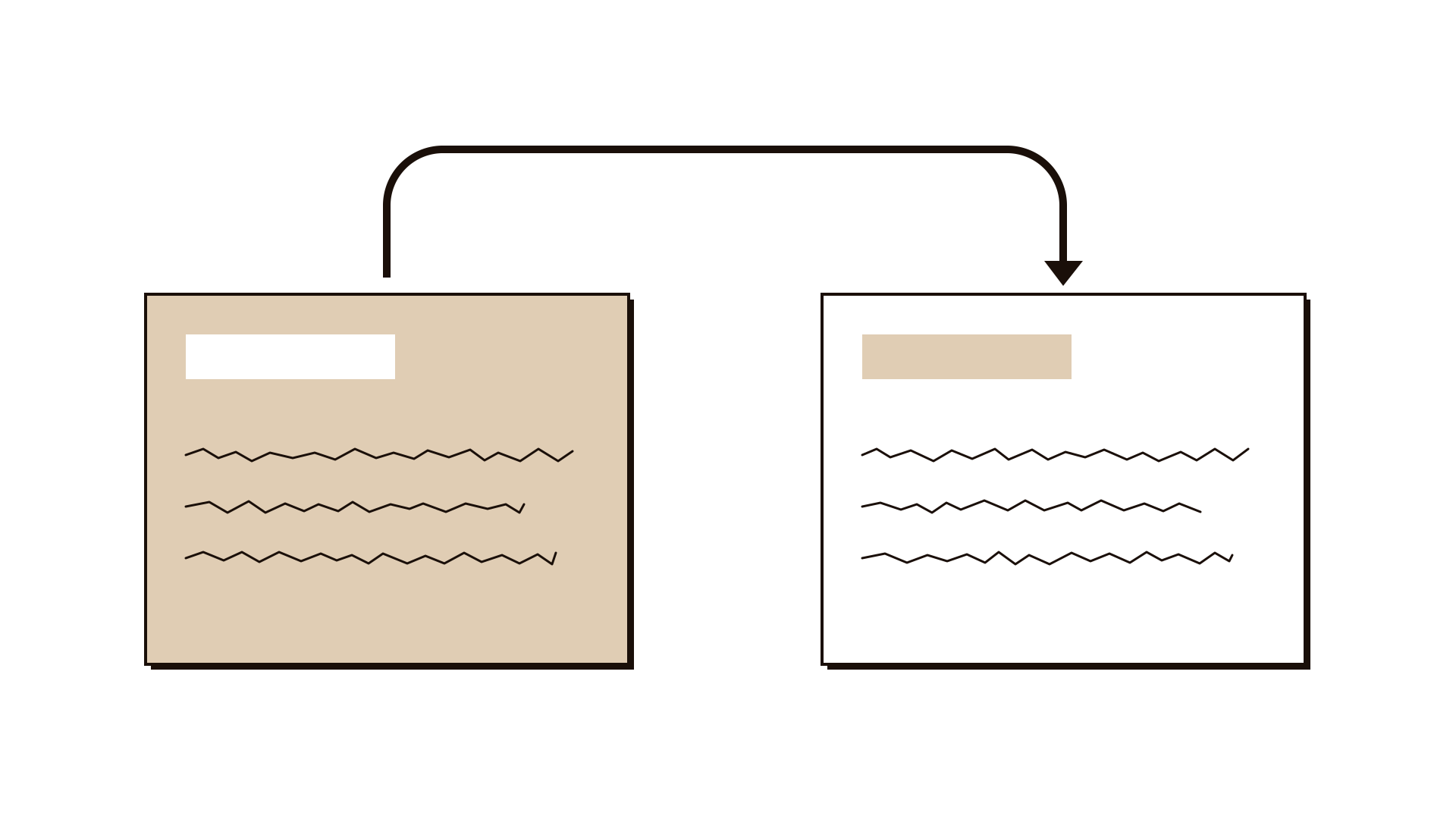
Read the notes aloud and put them in the left column. Let people laugh. The energy matters. Merge duplicates as you go.
Step 4: Name why each one fails
Pick the eight to ten richest bad ideas. For each, ask the group: what exactly makes this bad, and for whom? Write the answer under the note. "Nobody knows if anyone read it" is more useful than "it is annoying".
Step 5: Reverse the failure
Take each reason for failure and flip it into a principle or a possibility. Write it on a sticky note of the second colour and place it in the right column. "Nobody knows if anyone read it" becomes "tell the person within an hour that a named officer has read it".
Step 6: Find the useful seeds
Look at the right column as a whole. Mark the reversals that feel fresh or that point to something the current service ignores. Some bad ideas, looked at again, contain a good idea already.
Step 7: Record and hand on
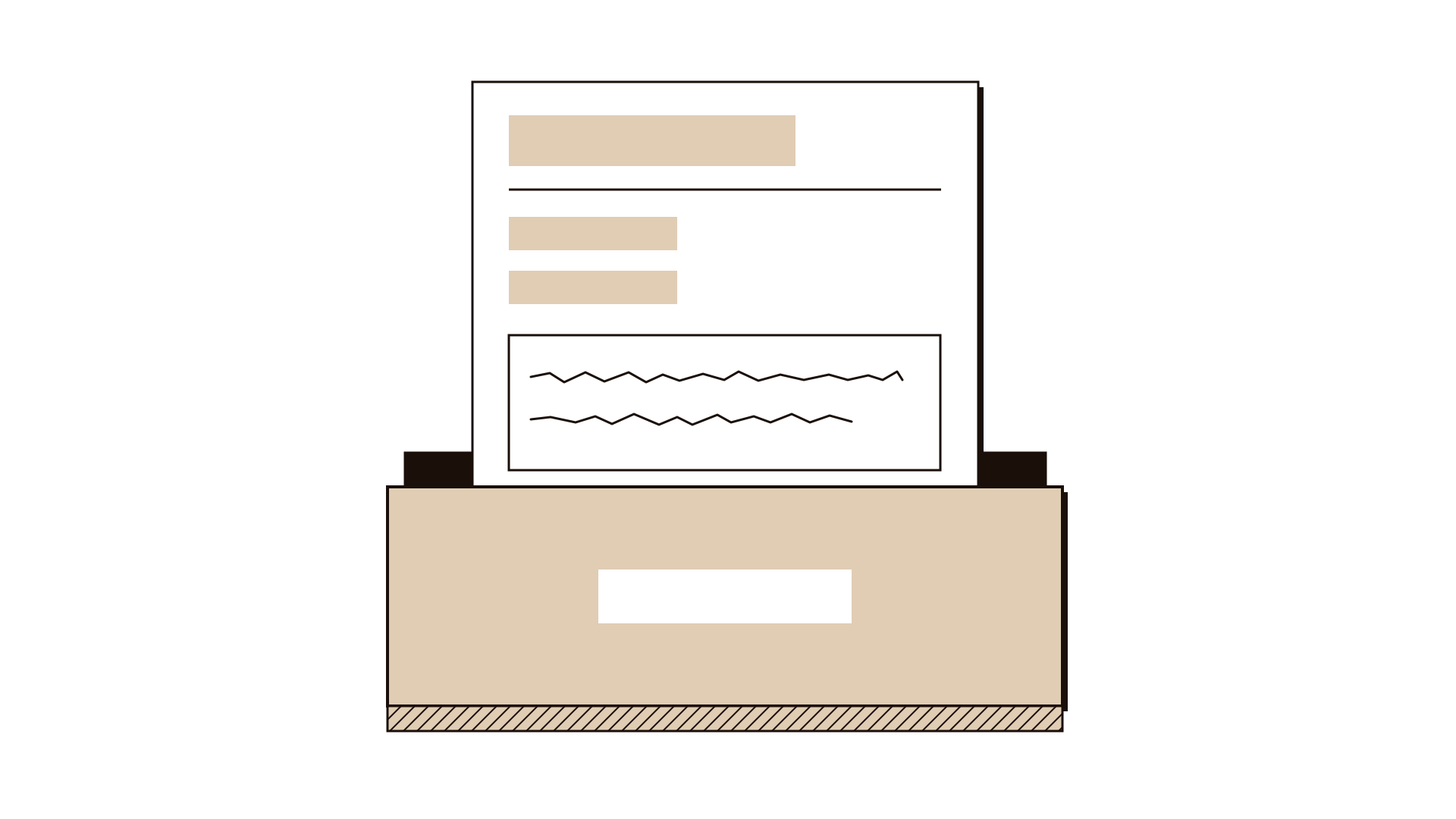
Fill in the worksheet for the three to five strongest seeds: bad idea, why bad, reversal and useful seed. Take these into your next idea or concept session.
Worked example
An insurance company's claims team wanted to rethink how customers report a complaint about a claim decision. Previous workshops had produced the same three suggestions each time: a new web form, a call-back promise and a shorter target time.
Seven people joined for 20 minutes: claims handlers, a complaints officer, a customer experience lead and a legal adviser. The facilitator asked for the worst complaint process they could imagine.
Ideas included "make the customer explain the problem again to every person they speak to", "send all replies by post in legal language", "close the complaint automatically if the customer does not reply within 24 hours" and "only accept complaints in person at head office".
For "explain again to every person", the group named the failure: customers feel nobody is listening, and staff waste time rebuilding the story. The reversal was "one named person owns the complaint from start to end and shares the story with others".
For "replies in legal language", the reversal was "every letter opens with one plain sentence saying what we decided and why". The legal adviser agreed this was possible as long as the full wording stayed below.
The team left with four seeds, two of them new to the organisation. They took the named-owner idea and the plain first sentence into a concept session the following week.
IllustrativeTips and mistakes
Tips
- Join in with your own terrible idea first. It gives everyone permission.
- Keep the bad ideas about the service, never about real colleagues or customers.
- Spend more time on why ideas fail than on inventing them. That is where the learning is.
- Photograph both columns. The bad ideas make a memorable reminder of what to avoid.
Common mistakes
- Stopping after the laughter without doing the reversal.
- Writing vague reasons for failure, which lead to vague reversals.
- Letting the session drift into complaining about the current service without making anything new.
- Using it when the topic is too serious for humour.
What you walk away with
The team leaves with a set of reversals that describe what good looks like in the users' terms, and three to five seeds worth developing. These are good starting points for a fuller idea session. Brainwriting can build them out quickly, and a premortem later can test whether your chosen concept might fail in the same ways your bad ideas did.
Questions people ask
What is reverse brainstorming?
Reverse brainstorming asks how to cause a problem or make something worse, instead of how to solve it. The worst possible idea method is one version. You then flip the answers to find useful solutions.
Does the worst possible idea method really produce good ideas?
Often, yes. The bad ideas themselves are rarely useful, but the reasons they fail show what people value. Reversing those reasons produces options a team might not reach by asking for good ideas directly.
How long should a worst idea session last?
About 20 minutes: five minutes to generate, five to share, and ten to explain failures and reverse them. It also works as a ten-minute warm-up before a longer session.
Tool card
The worksheet your team fills in, one box per field.
- Bad idea
- Why bad
- Reversal
- Useful seed