
Stakeholder expectations map
Write down what you think each group expects, check how you know it, and research the groups you understand least.
- Time
- 40 min
- People
- 4–8
- Kind of work
- Understand · Frame

In short
A stakeholder expectations map is a table of the groups with a stake in your work, what each group expects, and the evidence behind that belief. The team marks each expectation as known or assumed, names the gaps, and chooses the least-understood groups for research. It takes about 40 minutes.
What it is
Every project carries guesses about what other people want. The minister wants speed. Branch staff want fewer forms. Customers want to be told what is happening. Some of these guesses are based on real conversations; many are repeated so often that they feel like facts. The expectations map puts them on one page so you can see which is which.
Each row is one group. You write what you believe it expects as a plain claim, then the evidence for that claim, then what you still do not know. The gaps column is the point of the exercise. It tells you where to spend your next week of research, and it stops the team designing for a group it has never actually heard from.
When to use it
Use it when
- At the start of a project, right after you have listed who is involved.
- When the team keeps saying they will never accept that without being able to say who told them.
- Before planning interviews, to decide whom to talk to first.
- When a project has stalled and you suspect a group's real concerns were never understood.
- When a new partner or regulator joins and changes the balance of interests.
Skip it when
- When you have not yet identified who the stakeholders are. Build a stakeholder map first.
- As a substitute for talking to people. The map tells you whom to ask; it does not answer for them.
You need
- Time
- 40 minutes.
- People
- 4 to 8 people who have worked with different groups, ideally including someone from the front line.
- Materials
- A table with five columns on a wall or shared screen, sticky notes, and your existing stakeholder list if you have one.
How to run it
Step 1: List the groups
Spend 5 minutes writing one group per row. Use groups, not named individuals: frontline staff, small business owners, the finance department, the regulator. Ten to fifteen rows is typical. Combine groups that would expect the same things.
Step 2: Write each expectation as a claim
For each group, write one sentence starting with They expect. Keep it specific enough to be wrong. They expect a renewal decision within three working days is useful. They expect good service is not.
Step 3: Add the evidence
Next to each claim, write how you know. A survey, a complaint log, a meeting, a past project, or an honest we assume. Give the group 10 minutes and push gently for the source every time.
Step 4: Mark known and assumed
Put a small mark on every claim backed only by assumption or by one second-hand story. Most teams find that half or more of their rows are assumed. That is normal and useful to see.
Step 5: Name the knowledge gap
For each assumed claim, write the question you would need answered. Do small shop owners renew online, or do they come in because they need to ask something? Questions make the research concrete.
Step 6: Choose groups for research
Pick the two or three groups where the gap is largest and the group's influence on success is highest. Assign a role to own the research for each, with a date for the findings to come back.
Worked example
A municipal economic development office was redesigning its trade licence renewal. Seven people met for 40 minutes, including two counter staff and one inspector.
They listed twelve groups, from shop owners and accountants who file on their behalf to inspectors, the call centre and the finance department.
For shop owners the team wrote: They expect to renew online without visiting. The only evidence was that the online channel existed. Counter staff disagreed: many owners came in person because they had questions about fines.
For accountants the claim was that they wanted bulk renewal for many clients. Evidence was one email from a large firm. It was marked as assumed.
Inspectors expected renewals to be blocked when a safety visit was overdue. Evidence was strong: an internal rule and a year of inspection records.
The team chose shop owners and accountants for research. One role would run six counter conversations in two weeks; another would call five accountancy firms. Inspectors needed no further research before the design work.
IllustrativeTips and mistakes
Tips
- Invite someone who disagrees with the official view. The most useful rows are the ones where the room splits.
- Write we assume without embarrassment. The map is only as honest as that column.
- Keep groups large enough to research. A group of one is a person, and the map is not about individuals.
- Revisit the map after research and update the evidence column. It becomes a record of what you learned.
Common mistakes
- Writing expectations so vague that nothing could contradict them.
- Counting a senior person's opinion about a group as evidence of what the group expects.
- Researching the easiest group to reach instead of the least understood one.
- Confusing expectations with requirements. A group can expect something you decide not to provide; the map helps you plan how to tell them.
What you walk away with
You leave with a short table of what each group expects, how strongly you know it, and two or three research questions with owners. Use it to plan stakeholder interviews for the groups you chose, and later as the basis of a stakeholder communication plan once you know what each group needs to hear.
Questions people ask
How is this different from a stakeholder map?
A stakeholder map shows who is involved and how much influence or interest they have. The expectations map goes one step further: what each group wants and how sure you are about it. Many teams do the stakeholder map first and this straight after.
How many stakeholder groups should we include?
Usually ten to fifteen. Fewer than six often means you have missed someone, such as the people who process the work behind the scenes. More than twenty usually means groups need combining.
Can we fill it in without talking to stakeholders?
Yes, the first version is always filled in by the team. Its purpose is to show where your knowledge is thin, so you know whom to talk to next.
Tool card
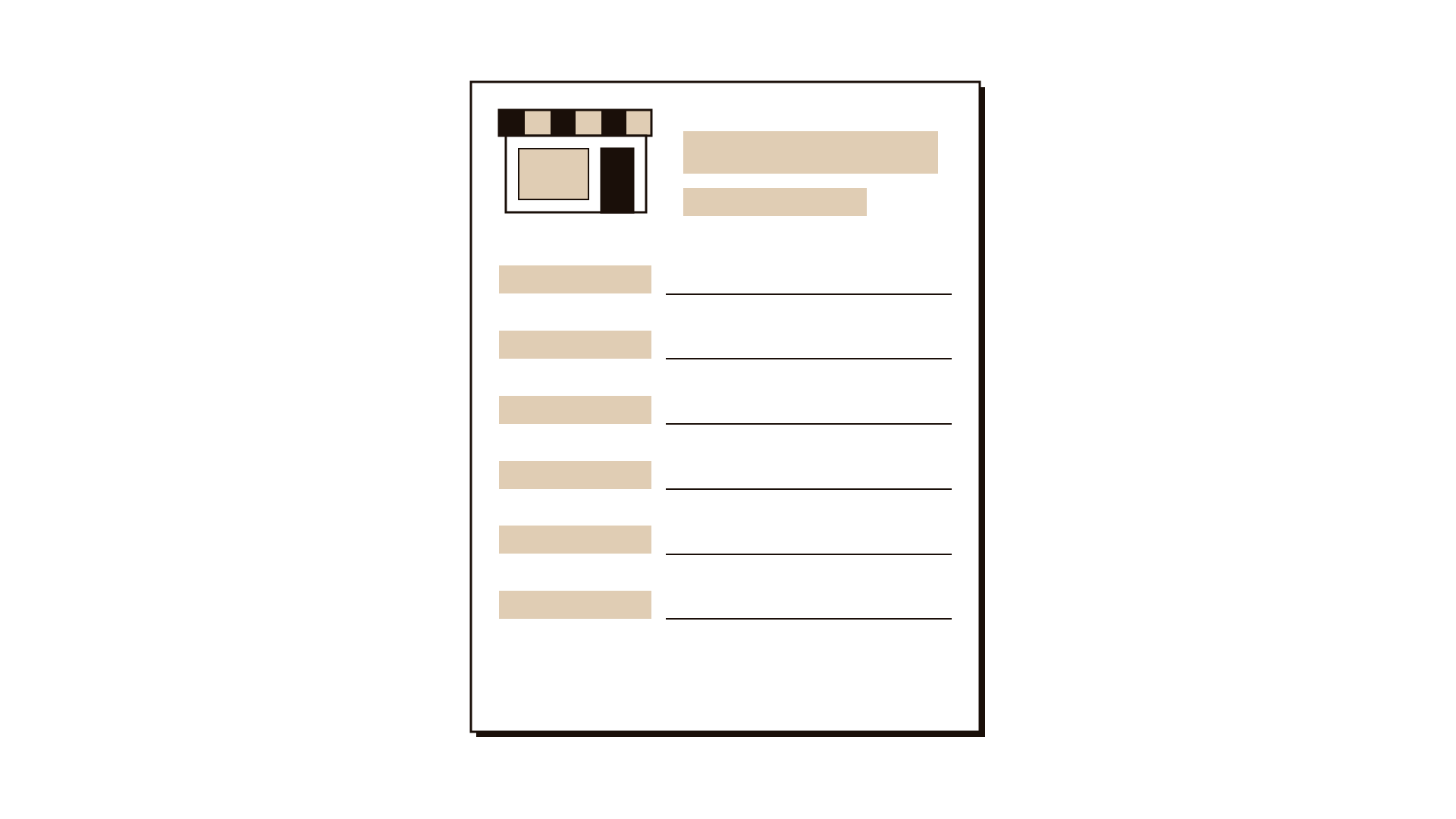
The worksheet your team fills in, one box per field.
- Stakeholder
- Expectation
- Evidence
- Knowledge gap
- Owner