
Why everyone measures satisfaction and nobody fixes the moments that cause it
Why satisfaction scores rarely improve when you chase the number, and how to find and fix the specific moments in the journey that cause them.

Why everyone measures satisfaction and nobody fixes the moments that cause it
Satisfaction scores rarely improve when you manage the score. They improve when you find the few specific moments in the customer's journey that drive the score down, trace each one to its cause, and give someone the job of fixing it. The survey tells you that something is wrong and roughly how much. It almost never tells you where or why, and that is the part an organisation has to do itself.
The belief, stated fairly
The belief goes like this: what gets measured gets managed. If we survey customers regularly, put the score on the leadership dashboard and set a target, people will pay attention to experience and the number will rise.
There is sense in it. Without a measure, customer experience is usually invisible at senior level; a score gives leaders a shared number and a reason to ask questions. Widely used measures such as customer satisfaction (CSAT) or the Net Promoter Score, which Fred Reichheld introduced in the Harvard Business Review in 2003, are cheap to run and easy to compare over time. Measuring is not the mistake.
The mistake is believing that measuring, reporting and targeting the score will, on their own, change what customers experience.
Why it fails in practice
The score is an average of moments nobody can see. A quarterly satisfaction figure blends thousands of experiences across every channel and stage. A drop could come from a new form, a staffing gap at one branch, an outage or a change in who answered. The number cannot say which, so the review meeting ends with "we need to improve satisfaction", which is not an action anyone can take on Monday.
The survey asks at the end, about the end. Most surveys go out when a transaction closes, so they reach people who finished, not those who gave up, and capture the ending more than what came before. The moments that cause the most damage, such as a silent wait or a request to resubmit a document, often sit in the middle of the journey and are reported, if at all, as a vague low rating.
A target on the score changes behaviour around the score. Once a satisfaction number carries a target, people start managing the number. Staff ask customers for a good rating. Surveys go out only after successful cases. Difficult cases are routed elsewhere. This is a familiar pattern, often described as Goodhart's law after the economist Charles Goodhart, in the short form the anthropologist Marilyn Strathern later gave it: a measure that becomes a target stops being a good measure. No bad faith is needed; it is what targets do.
Nobody owns the score, so nobody owns the fix. Satisfaction belongs to everyone, which in practice means the customer experience team, which owns none of the processes, systems or policies that create the experience. The people who could fix the failing moment, an operations manager, an IT lead, a policy owner, see the score in a slide and reasonably conclude it is someone else's job.
The comments are read last, if at all. The free-text answer is the most useful part of a survey, because it names the moment. It takes effort to read, so it often ends up as a word cloud.
What works instead
1. Pin every score to a stage of the journey. Before reading the numbers, lay out the journey with an experience map. Then sort survey comments, complaints and contact reasons into its stages. The question shifts from "why is satisfaction down?" to "what is happening at stage three?" If your journey map itself is unreliable, see the key 5 mistakes in customer journey mapping.
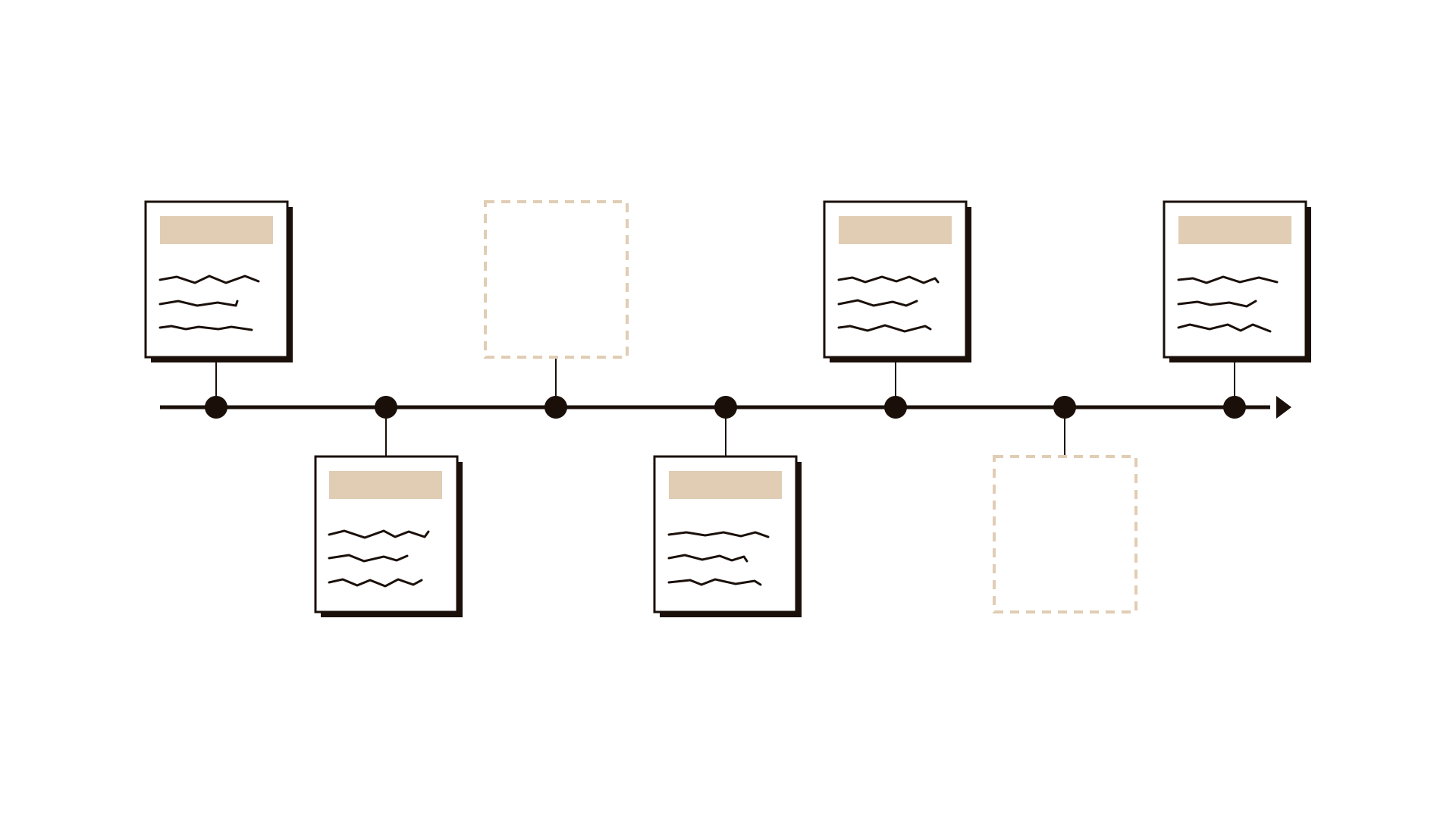
2. Find the few moments that carry most of the pain. Count which moments appear most often in comments and complaints. A simple Pareto analysis usually shows that a handful of moments account for a large share of the dissatisfaction. Add moments that are rare but severe, such as a lost document or a rejected application with no reason given. Choose three.
3. Go and see the moment. Read the comments for each chosen moment, then watch it happen and talk to a few people who went through it recently, including those who gave up. A feedback capture grid is a quick way to structure what you hear into what worked, what did not, questions raised and ideas.
4. Trace each moment to its cause. A customer-side moment is a symptom. Ask five whys until you reach something a named person can change, or use a fishbone analysis when several causes are tangled together: people, process, systems, policy. The cause is almost always backstage.
5. Give each moment an owner and a moment-level measure. The owner is the person who controls the cause, not the customer experience team. The measure is specific to the moment and moves quickly: how many people abandon at that step, how many contact you twice about the same case, how long they wait for a first reply. A KPI tree helps connect these to the headline score so leaders can see the link.
6. Keep the headline score, but stop targeting it. Use it to check that fixing moments is working. Put targets on the moments, where their owners can move them.
For turning what you learn into decisions that stick, read our sibling article from insight to change.
Common mistakes
- Treating a drop as a crisis and a rise as a success without knowing what changed underneath. Ask which moment moved before you react.
- Assigning the score to the customer experience team. They can find the moments; they usually cannot fix them.
- Fixing the survey instead of the service, for example by changing when it is sent so the number looks better.
- Ignoring people who gave up. They do not answer end-of-journey surveys, and they often experienced the worst moments.
- Closing the loop with customers but not with staff. Front-line teams who raised the problem should hear what was done about it.
Illustrative example
Illustrative. A private clinic group in Southern Europe tracked patient satisfaction every month. The score had been flat for two years despite courtesy training, new waiting-room furniture and a target in every clinic manager's objectives. Some clinics had started handing out survey cards only at the reception desk after the visit went well.
A small team set the score aside for six weeks and sorted a year of comments and complaints into the stages of a visit. Three moments carried most of the negative comments: getting through on the phone to book, being told on arrival that a referral letter was missing, and not knowing when test results would arrive. They watched the phone line for two mornings and found that calls about results were blocking calls to book. Backstage, the missing referral letters came from a form that did not ask patients to bring them.
Each moment got an owner: the call centre lead separated results enquiries, the operations manager added what to bring to the booking confirmation, and the lab coordinator set up a message when results were ready. The target moved from the satisfaction score to repeat calls and missing-referral cases. The survey cards went back to being sent to every patient.
Questions people ask
Why is our customer satisfaction score not improving? Usually because effort is going into the score rather than the moments behind it. Sort your feedback by journey stage, find the few moments that cause most complaints, trace each to its cause and give each an owner who controls that cause.
Is NPS or CSAT better for improving customer experience? Neither improves experience by itself. Both are summary measures that tell you how people feel overall. What matters is whether you connect the results to specific moments in the journey and act on them.
What should we do with customer survey comments? Read them, then sort them into the stages of the customer journey. Count which moments come up most, pick a few to investigate, and use the comments as leads for observation and interviews, not as the final answer.
Where to go next
The experience mapping guide gives you the journey to pin feedback to, Pareto analysis helps you choose the moments, and five whys takes you to the cause. For the wider practice, read our pillar, customer-centric is a practice, not a slogan.