
Customer-centric is a practice, not a slogan: where to start
How to become customer-centric in practice: the six habits that turn a value statement into decisions, the methods behind each, and a six-week start.
Customer-centric is a practice, not a slogan: where to start
To become customer-centric, stop treating it as a value and start treating it as a set of habits: your team goes and sees customers regularly, maps what they actually go through, decides with that evidence in the room, and tests changes with real people before building them. Organisations that do this rarely need the slogan. Organisations that only have the slogan rarely do any of it. This guide maps the whole practice, shows which methods serve each habit, and gives you a six-week way to begin.
What "customer-centric" actually means
Most definitions say something like "putting the customer at the heart of everything". That is an aspiration, not a description. You cannot audit it, and nobody can tell whether they are doing it on a Tuesday afternoon.
A working definition is more useful: an organisation is customer-centric when evidence about customers changes decisions that would otherwise have gone another way. If customer research never overturns an internal opinion, the research is decoration.
That definition has three practical consequences:
- It is about decisions, not feelings. Caring about customers is common. Letting what you learn about them override a senior person's preference is rare.
- It is about the whole experience, not the touchpoint you own. Customers do not experience your org chart. They experience a sequence: a website, a call, a form, a wait, a visit, a follow-up. Most failures sit in the handovers between departments.
- It is continuous. One big research project every three years does not make you customer-centric. Small, regular contact does.
Innovation and design methods matter here because they give teams a repeatable way to do each of these things, instead of relying on goodwill.
Why the slogan fails
Before the how, it helps to name the patterns that keep organisations stuck. If you recognise three or more, the slogan is doing the work the practice should be doing.
- Nobody on the team has spoken to a customer this quarter. Customer understanding is outsourced to a survey vendor or one research team.
- The satisfaction score is the main customer conversation. Meetings discuss whether a number went up or down, not what happened to people.
- Journey maps hang on walls but no budget line points to them. The map was the deliverable.
- Personas describe demographics, not behaviour. "Fahad, 34, married, likes football" tells a team nothing about what he needs from a service.
- New services are designed in meeting rooms and tested at launch. The first real customer feedback arrives when it is most expensive to act on.
- Each department optimises its own step. The call centre shortens calls; the branch shortens queues; the customer still has to repeat their story three times.
None of these are failures of intent. They are failures of method. The fix is not another values workshop; it is giving teams specific practices and making room for them.
The six habits of a customer-centric team
Here is the whole topic in one place. Each habit has its own deep-dive article in this hub and a small set of method guides behind it.
1. Go and see, regularly
Everything starts with first-hand contact. Reports and dashboards tell you what happened; only talking to and watching people tells you why. The three workhorse methods are stakeholder interviews for depth, contextual observation for what people do rather than what they say, and the diary study for experiences that unfold over days or weeks. A service safari, where the team experiences its own service (and a competitor's) as a customer would, is often the fastest way to make leaders feel the problem.
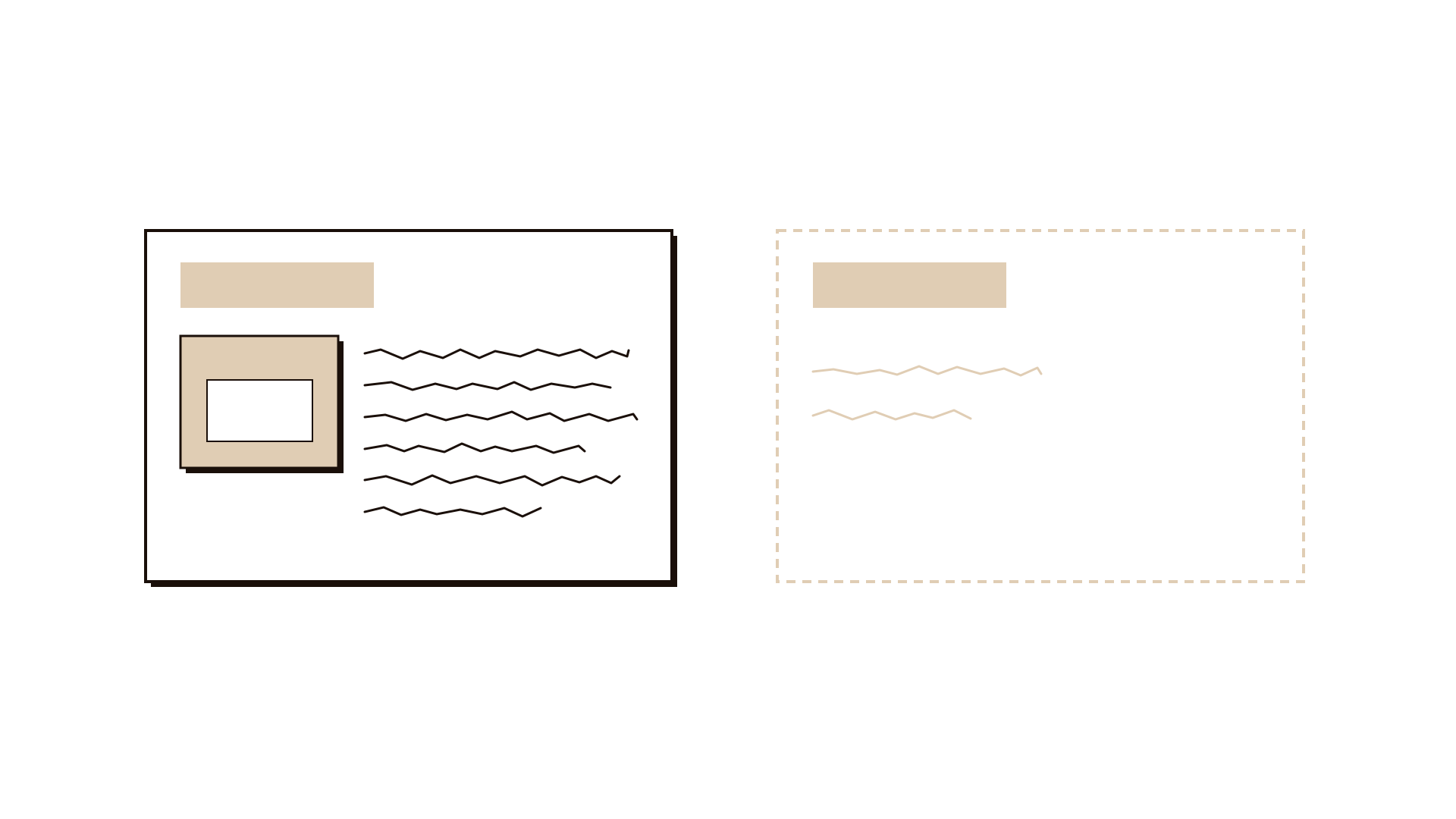
The habit is the point: five conversations a month, every month, beats fifty in one burst. The full how-to is in How to really understand your customers.
2. Map the experience end to end
Once you have evidence, lay it out over time. An experience map (or customer journey map) shows what the customer does, thinks and feels at each stage. A service blueprint, a technique introduced by G. Lynn Shostack in the Harvard Business Review in 1984, adds what happens behind the scenes: the staff, systems and policies that produce each moment. A touchpoint matrix helps when a customer moves across many channels.
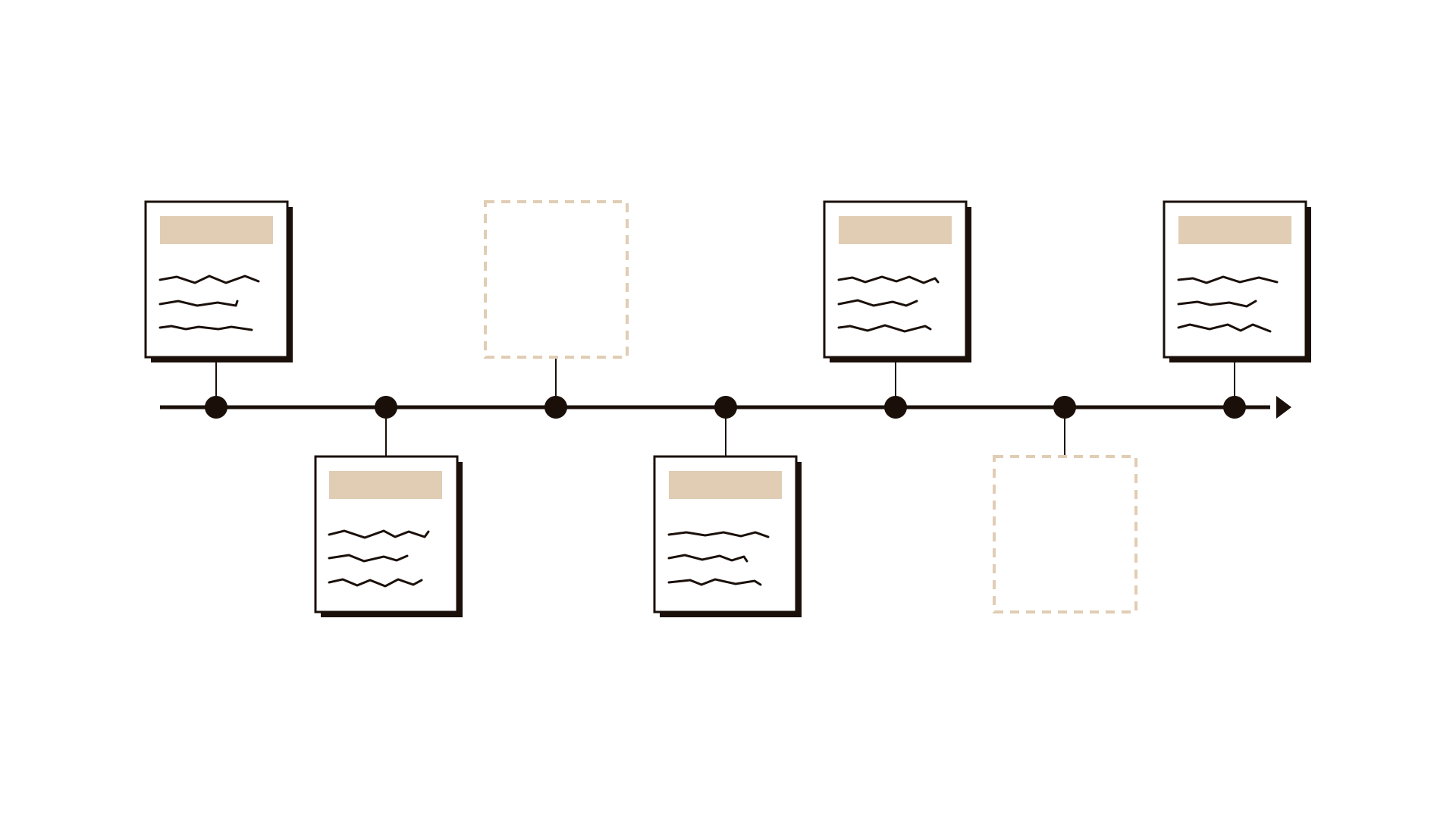
Which one you need depends on the question you are answering; Journey map or service blueprint? sets out when each fits. Mapping goes wrong in predictable ways, covered in The key 5 mistakes in customer journey mapping, and the step from map to action is in A journey map that leads to change, not a poster.
3. Give the customer a face the team actually uses
Teams decide faster and argue less when they share a picture of who they are designing for. A persona, a form popularised in software design by Alan Cooper in his 1999 book The Inmates Are Running the Asylum, does this when it is built from research and describes goals, situations and frustrations rather than age and hobbies. An empathy map is a lighter way to capture what a person says, thinks, does and feels after a round of interviews.
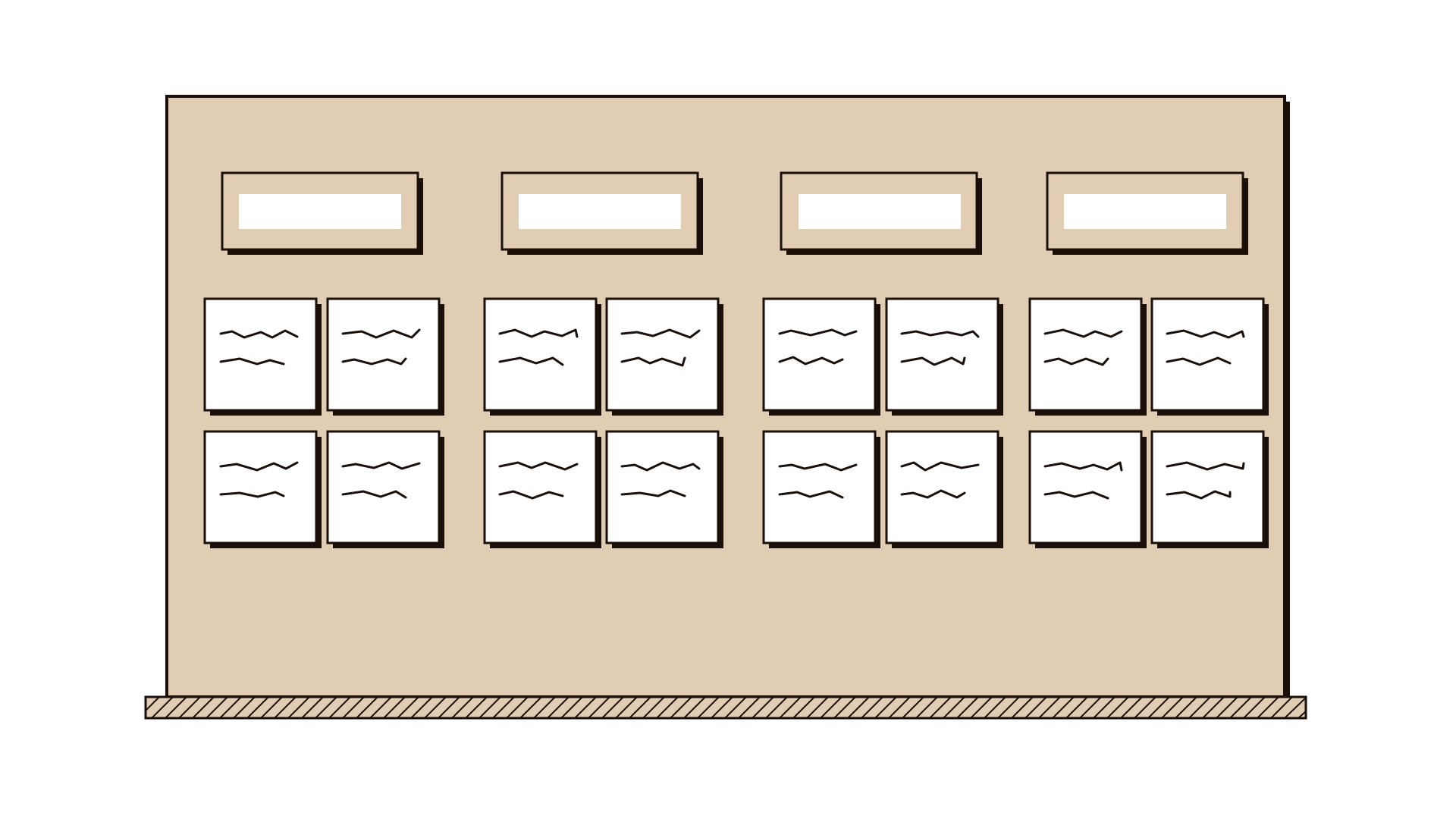
The test of a persona is whether anyone quotes it in a decision meeting. Personas that teams actually use explains how to build ones that survive.
4. Fix the moments, not the score
Satisfaction and effort scores are useful as smoke alarms. They tell you something is burning, not where or why. Customer-centric teams use the score to find the moment, then go back to the map and the people to understand it. The moments that shape how people remember a service are usually a handful: the first contact, the point where something goes wrong, the wait with no information, the ending.
The argument, and what to do instead of chasing the number, is in Why everyone measures satisfaction and nobody fixes the moments that cause it.
5. Turn insight into decisions
This is where most customer work dies. Research produces findings; findings produce a presentation; the presentation produces nods. To get to decisions, translate insights into framed problems with how might we questions, connect them to a measurable outcome with an opportunity solution tree, and name who owns each next step before the meeting ends.
The full method is in From insight to change: turning customer research into decisions.
6. Test the experience before you build it
An experience can be tested long before there is a system behind it. Role-play lets staff and customers act out a new interaction in an afternoon. A Wizard of Oz test makes something look automated while a person does the work behind the curtain. A concierge test delivers the service by hand, openly, to a few real customers to learn what they value.
These are cheaper than any build and far cheaper than a failed launch. See Testing an experience before you build it.
A note for the public sector
Everything above applies to government services, with one extra difficulty: the citizen's journey often crosses several entities, each with its own mandate, systems and targets. Designing around the citizen means mapping across those boundaries and agreeing who owns the gaps. Designing a government service around the citizen, not the org chart covers this in detail.
Where to start: a six-week plan
You do not need a programme, a department or a budget line to begin. You need one service, one small team and permission to spend some of their time.
Week 1 — pick one journey. Choose a journey that matters to customers and that the organisation can actually change: a complaint, an application, onboarding, a renewal. Avoid the biggest, most political journey for a first attempt. Write one sentence on why it matters now.
Week 2 — go and see. Each team member speaks to or observes at least two customers and one frontline staff member. Do a service safari together through the journey as a customer would. Capture raw notes, not conclusions.
Week 3 — map it. Build a rough experience map from what you heard, not from what the process manual says. Mark the three moments where customers struggle most. If the struggle comes from behind the scenes, sketch the blueprint layer for those moments only.
Week 4 — frame and choose. Turn the three moments into how-might-we questions. Generate options, then pick one change the team can test within two weeks. Agree who owns it.
Week 5 — test it. Run the change as a role-play, a concierge test or a small manual pilot with real customers. Watch what happens. Change it once and test again.
Week 6 — decide in the room. Bring the evidence (quotes, the map, what happened in the test) to the person who can approve the change. Ask for a specific decision: adopt, adapt or drop. Then pick the next journey.
At the end of six weeks you will have one real change, a team that has done the whole loop once, and a story that travels further in the organisation than any value statement.
Illustrative example
Illustrative — an invented organisation. A mid-sized private hospital group in Lisbon had a patient satisfaction score that had been flat for two years. The leadership's working theory was that waiting times in outpatient clinics were the problem, and a scheduling system upgrade was already being scoped.
A four-person team spent two weeks talking to patients and reception staff, and sat in two clinics for a morning each. What they found was different. Patients were not upset by the length of the wait; they were upset by not knowing how long it would be, and by being asked for the same insurance details at booking, at reception and again at billing. The map showed the repeated questions came from three separate systems that did not share data.
The team framed two questions: "How might we let patients know where they stand while they wait?" and "How might we ask for insurance details once?" They tested the first by having a receptionist personally update waiting patients every fifteen minutes in one clinic for a week, a manual stand-in for a future screen or text message. Patients' comments in that clinic changed noticeably. The second needed a decision from IT and finance, which the team brought to the operations director with the map and patient quotes.
The scheduling upgrade was paused, not cancelled, and part of its budget was redirected to linking the three data records. The point is not the outcome; it is that customer evidence changed a decision that was about to go another way.
Do's and don'ts
Do
- Start with one journey and finish it before starting another.
- Put the people who will make the change in the research, not just a research team.
- Talk to frontline staff; they see the failures every day and usually know the workarounds.
- Keep customer contact small and regular rather than large and rare.
- Write down the decision each piece of research is meant to inform before you start.
- Test changes manually with real customers before you commission anything.
Don't
- Don't start with a customer-centricity strategy document. Start with one changed experience.
- Don't let a satisfaction score stand in for understanding.
- Don't build personas from demographics or from what the marketing team assumes.
- Don't map the process as designed; map what customers actually go through.
- Don't present insights without a framed question and an owner attached.
- Don't fix one department's step while the handover to the next stays broken.
How this connects to transformation
Customer-centricity is also the test of whether a wider transformation has worked. A new operating model, a new platform or a merged set of services only counts if people on the outside feel the difference. That is the argument of the Transformation hub's pillar, Transformation fails at the customer's door. The methods in this hub are how you design and check that difference.
Questions people ask
What is the difference between customer-centric and customer-focused? In everyday use they are often interchangeable. A useful distinction is that customer-focused describes attention (we care, we listen), while customer-centric describes structure: customer evidence is built into how decisions are made, how services are designed and how success is judged. You can be focused without being centric.
How do you measure whether an organisation is becoming customer-centric? Measure the practice, not just the outcome. Track how often teams have first-hand customer contact, how many decisions in a quarter were changed or informed by customer evidence, and how many changes were tested with customers before launch. Alongside that, watch the specific moments you set out to fix, not only an overall satisfaction score.
Where should a customer-centric initiative sit in the organisation? Close to the people who own services and can change them. A central team can coach, provide methods and keep the standard, but if it owns all the customer research, everyone else stops doing it. The aim is for service owners to treat customer evidence as part of their normal work.
Start with the methods
Begin with stakeholder interviews and contextual observation to see the experience first-hand, lay it out with an experience map or a service blueprint, and test your first change with a concierge test. All 75 free guides are in the guides index.