
7 workshop mistakes that kill good ideas
Seven common workshop mistakes that quietly kill the best ideas in the room, why each one happens, and what experienced facilitators do instead.
7 workshop mistakes that kill good ideas
Good ideas rarely die because nobody had them. They die in the workshop itself: talked over in the first ten minutes, voted down for being unfamiliar, blended into something safe during grouping, or parked and never seen again. Here are the seven mistakes that do most of the damage, and what to do instead.
This piece is about protecting ideas. If your problem is that workshops end without anyone deciding anything, start with the pillar guide, how to run a workshop that ends in decisions.
1. Letting the most senior person speak first.
When the director opens with "what I'd really like to see is…", the room's ideas start orbiting that answer. Psychologists Amos Tversky and Daniel Kahneman called this pull of a first number or first suggestion "anchoring", and in a workshop the most senior voice is the strongest anchor there is. People don't consciously agree; they just stop looking far from it.
Instead: ask the senior person, before the day, to hold their view until the group has written its own. Open with silent individual work. If the leader must frame the session, have them describe the problem and the constraints, never a preferred answer. The full case is in silent first: why the best ideas come before the discussion.
2. Judging ideas while they are still being generated.
"That won't work because of procurement" sounds helpful. It is the fastest way to shrink a room. Alex Osborn, who popularised brainstorming in the 1950s, made deferring judgement one of its core rules for this reason, and it is still the rule most often broken. One early criticism teaches everyone that only safe ideas are welcome.
Instead: separate the generating and judging stages in time and say so out loud. Use brainwriting, where people build on each other's ideas on paper before anything is discussed (the 6-3-5 version was described by Bernd Rohrbach in 1968). Give critics a place to put their concerns, a "risks" column the group returns to later, so they don't have to say them now.
3. Asking a question that is too big, or too small.
"How can we transform customer experience?" gets slogans. "How can we shorten the form by one field?" gets one answer. Both kill good ideas: the first because nothing concrete comes out, the second because the interesting options lie outside the frame.
Instead: write the question at the right altitude. A good how might we names who it is for, what they are trying to do, and the tension that makes it hard, while leaving the solution open. Test it before the day: if three colleagues can each write five different ideas in five minutes, it's about right. Our list of good and bad how might we questions shows the difference in practice.
4. Warming up the room with the wrong kind of energy.
An energiser that has nothing to do with the problem wakes people up and then sends them back to their usual thinking. The group is livelier but not braver. The ideas that follow are the same ideas they arrived with.
Instead: warm up on the problem itself. Worst possible idea is a good opener: ask for the most terrible solutions to the actual challenge, then flip them. It makes people laugh, lowers the cost of saying something odd, and often surfaces the real constraint that nobody had named. Analogies ("how would an airline handle this?") do the same job with less silliness.
5. Grouping ideas until the sharp edges disappear.
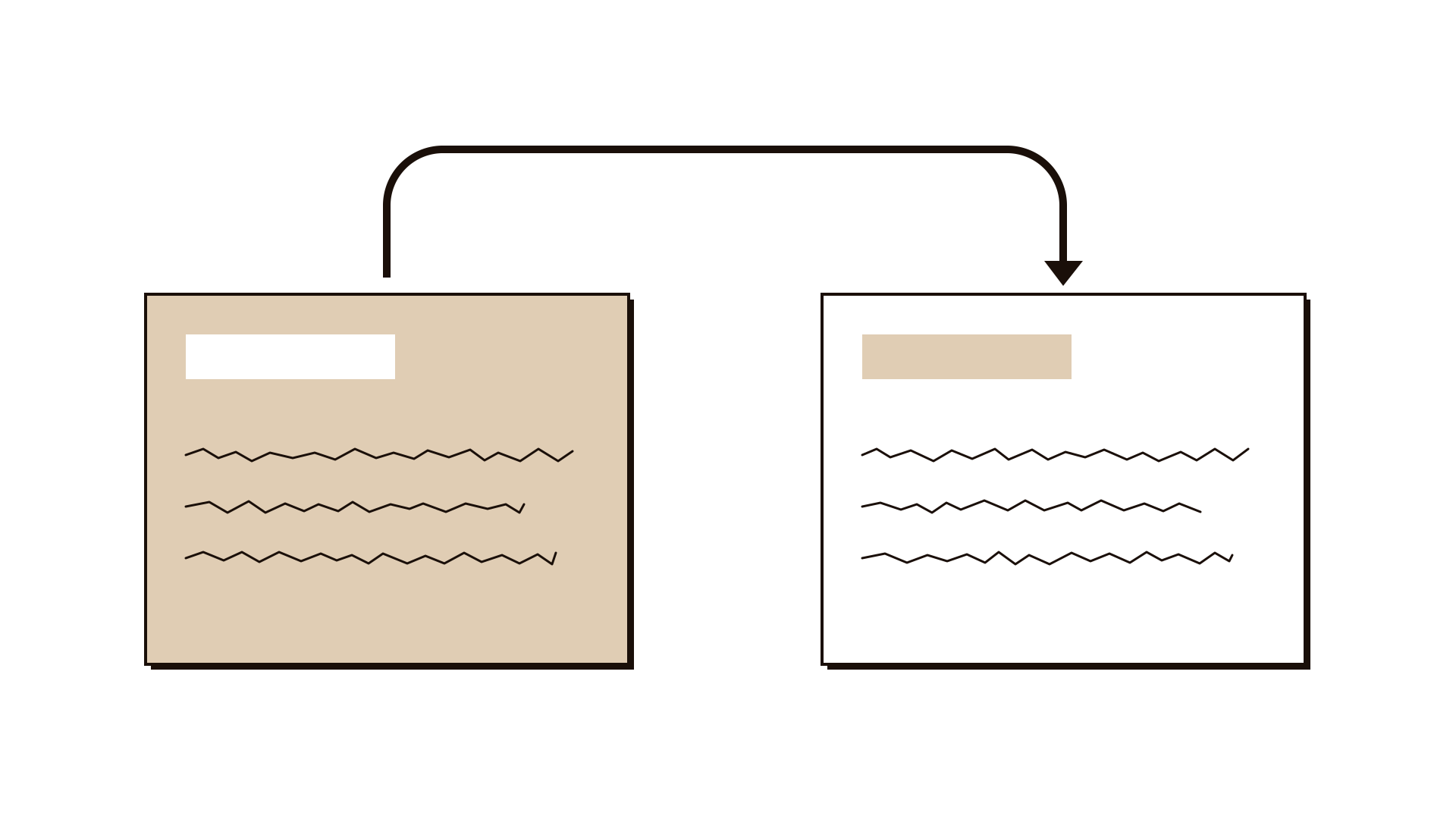
Clustering is useful. It also flattens. When twelve notes become one heading called "Better communication", the one note that said "text people their queue position every ten minutes" disappears into the category. The cluster label is always safer than the boldest idea inside it.
Instead: when you run affinity grouping, name each cluster with a full sentence, not a word, and pull out the most specific or surprising idea in each cluster and keep it visible. Ask "which idea here would we be embarrassed to have missed?" before you move on. If two partial ideas are stronger together, combine them deliberately with concept blending rather than by accident through grouping.
6. Choosing by popularity.
A quick vote feels democratic. In practice it rewards ideas that are easy to understand in four seconds, which usually means ideas people have seen before. The unusual idea, the one that needs a sentence of explanation, loses every time. Votes also cluster on notes that already have dots, so early voters shape the result. We cover this in detail in why dot voting lies to you.
Instead: sort before you vote. A now–how–wow matrix places ideas by originality and feasibility, so the group can see which ideas are new as well as doable, and can protect one or two "wow" ideas for testing even if they wouldn't win a vote. If you do vote, vote against agreed criteria, privately, and at the same moment.
7. Treating the parking lot as a decision.
"Great idea, let's park it" is often a polite way to kill something. The parking lot sheet goes home in someone's bag, or in a photograph, and nobody owns it. The ideas on it are frequently the ones that challenge the brief, which are exactly the ones worth a second look.
Instead: before the session ends, go through the parking lot item by item and give each a fate: answer now, turn into an action with an owner, add to the next workshop's agenda, or drop on purpose. For ambitious ideas that the group isn't ready to back, ask a different question: "What would we need to believe for this to work?" Assumption mapping turns that into a short list of things you can test cheaply, so the idea gets evidence rather than a verdict.
Illustrative example: an international aid charity
Illustrative. The supporter team of an international aid charity ran a half-day workshop on lapsing monthly donors. The director opened by saying she thought a thank-you video would help. For the next hour, most ideas were variations on videos.
At the second session a month later, the facilitator changed three things. The director described the problem and the data but held her own idea. The group started with five minutes of worst possible ideas ("charge people more the longer they stay"), then wrote silently. During grouping, the facilitator kept the boldest note in each cluster on a separate strip. One of them, written by a junior team member, suggested letting donors pause rather than cancel. It would have been lost under the heading "Flexible giving". It scored low in a show of hands but landed in the "wow" corner of the now–how–wow matrix, so the group agreed to test it alongside the video. The parking lot was cleared before people left, with two items given owners and one dropped on purpose.
Do's and don'ts
Do
- Brief senior people before the day on when to speak.
- Generate alone and in silence before discussing.
- Warm up on the real problem.
- Keep the boldest idea in each cluster visible.
- Give every parking-lot item a fate before people leave.
Don't
- Allow "yes, but" during generation.
- Name clusters with single words.
- Treat a quick show of hands as the final choice.
- Close a session with an unowned parking lot.
Questions people ask
How do I stop one person dominating a workshop? Change the structure rather than the person. Silent writing, round-robin sharing and written voting all give everyone the same airtime without anyone being singled out. Speak to the person privately at the break if it continues.
How many ideas should a workshop produce? There is no right number, and counting ideas encourages people to write thin ones. Aim for enough range that the group sees at least a few options it didn't walk in with, and keep at least one unusual idea alive to test.
What is the best way to keep bold ideas alive after the workshop? Give them a cheap test, not a vote. A bold idea with an owner and a two-week experiment survives. A bold idea with a dot count does not.
Where to go next
The method guides that protect ideas best are brainwriting, worst possible idea, now–how–wow and assumption mapping. For what happens after the wall is full, read why your workshop ended in photos of sticky notes.